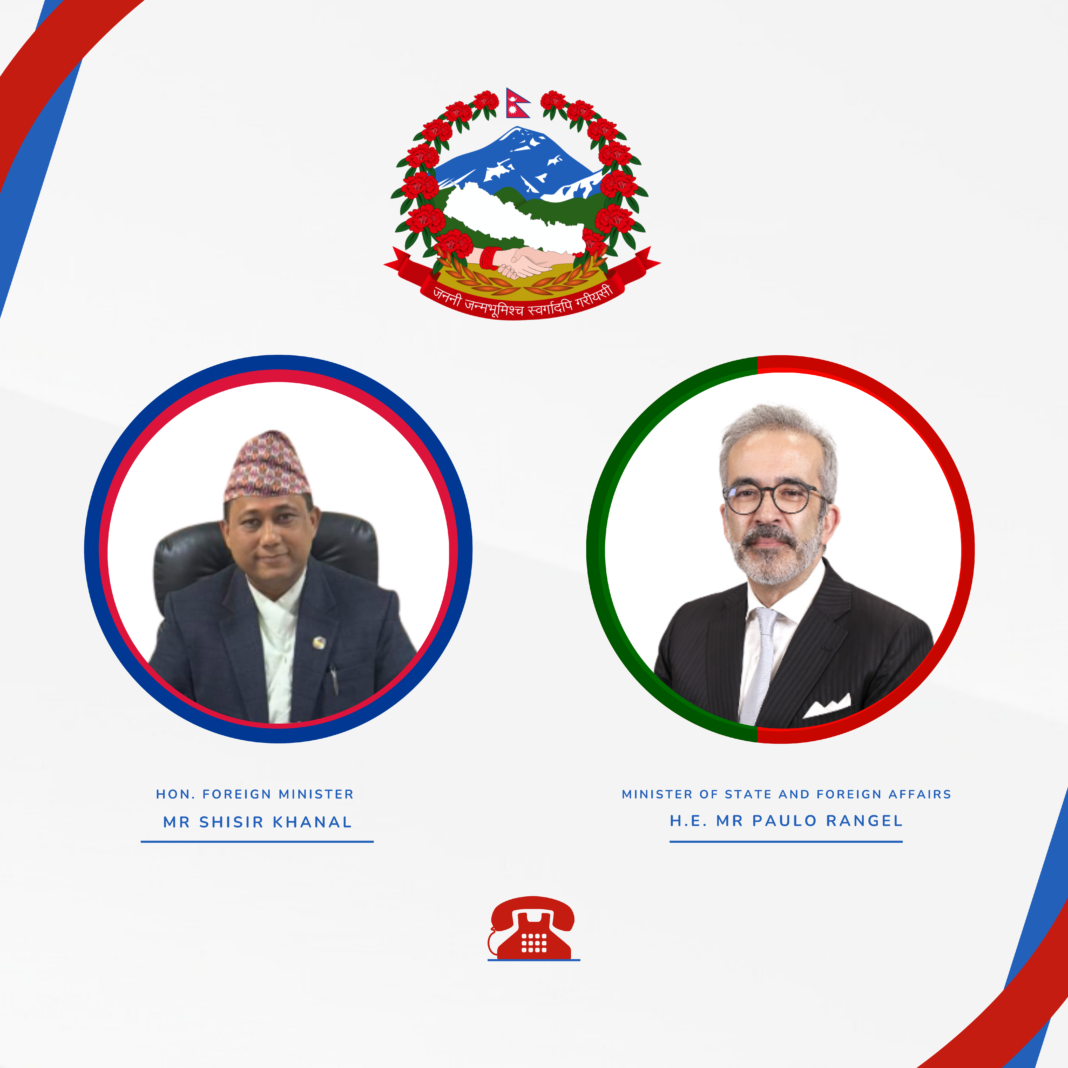
The most immediate consequence of the Bhote Koshi River floods remains the urgent need for aid to Nepali climbers trapped on Mount Broad Peak. The statement does not mention the number of casualties or injuries sustained by the climbers. This suggests a prioritization of diplomatic engagement over direct rescue efforts, reflecting broader resource constraints within the Ministry of Foreign Affairs. — the full statement has further detail.
_Jg3bNHOpZ3_2pddlzy_LfUV0G8OBz_o4cq3xj.png)
Background
The press release outlines a series of ongoing initiatives aimed at bolstering Nepal’s diplomatic and operational capacity. Notably, the “Third Meeting of the Nepal-Australia Bilateral Consultation Mechanism (BCM)” convened on September 2, 2026, focusing on collaborative approaches to disaster preparedness – a detail not explicitly linked to the current flood response but indicative of established channels for international cooperation. The ongoing exchange of congratulatory messages between the Foreign Ministers of Nepal and the Russian Federation, alongside discussions regarding “Operation of Special Flights by Nepal Airlines,” further demonstrates a sustained diplomatic agenda independent of the immediate crisis. The statement does not address the specific nature or scope of the technical assistance being sought from the UK. Furthermore, references to “सरकारी कार्यालयमा प्रयोग हने निवेदनको ढाँचा तथा सोको कार्यान्वयन मार्गदर्शन, २०८३” and “Notice: Emergency Control Room (ECR) for Assistance regarding Foreign Nationals Affected by the Bhote Koshi Flash Flood” highlight established protocols for managing international assistance – a process that has yet to fully materialize in terms of tangible support.
Analysis
The focus on rail funding, as evidenced by the “Third Meeting of the Nepal-Australia Bilateral Consultation Mechanism,” reveals a strategic attempt to diversify Nepal’s economic portfolio and secure long-term investment beyond immediate disaster relief. This suggests an underlying ambition to attract foreign expertise in infrastructure development, potentially addressing chronic weaknesses in Nepal’s transportation network. The inclusion of discussions surrounding “Outstanding British Gurkha Issues” – facilitated through a “Virtual Meeting with the UK Secretary of State for Defence” – underscores the continued importance of historical diplomatic ties and ongoing efforts to address legacy concerns. The statement does not mention any specific disagreements or roadblocks encountered during these discussions. However, the prioritization of this meeting alongside the flood response raises questions about resource allocation and potential tensions between immediate humanitarian needs and long-term strategic objectives. The exchange of messages with Qatar, specifically regarding Amiri Amnesty and handover of elephants, indicates a broader diplomatic engagement aimed at securing international goodwill and support – a tactic often employed in crisis situations.
Implications
The push for technical assistance from the UK, coupled with ongoing discussions about rail funding, carries significant implications for Nepal’s development trajectory. Should the visit yield successful agreements on infrastructure projects, it could stimulate economic growth and create opportunities for employment – if implemented as described. However, this also presents a risk of diverting resources away from immediate disaster relief efforts, potentially exacerbating the humanitarian crisis. The continued engagement with Australia regarding the BCM reinforces Nepal’s commitment to collaborative disaster preparedness, though its effectiveness remains contingent on securing tangible support. The statement does not address the potential impact of these initiatives on Nepal’s trade relationships or regional security dynamics.
Outlook
Should the visit yield a formal agreement regarding UK technical assistance in infrastructure development, and should the Ministry secure commitments for prioritized funding streams for rail projects, then Nepal’s long-term economic prospects could improve significantly – if implemented as described. However, this scenario hinges entirely on securing sustained political will and navigating complex bureaucratic processes within both Nepal and the UK. Should the visit fail to produce any concrete agreements or technical assistance commitments, Nepal will remain reliant on ad-hoc international aid, perpetuating a cycle of vulnerability and dependence.
Sources & Further Reading
- Official press release
- Foreign ministry source
- Press Release- Nepal Foreign Service Day, 2083 (Unknown Da)
- Press Release- Conclusion of the 5th Meeting of Nepal-Switzerland Bilateral Consultation Mechanism (Unknown Da)
- Press Release- The Ministry Launches Summer Internship for Policy Research (Unknown Da)