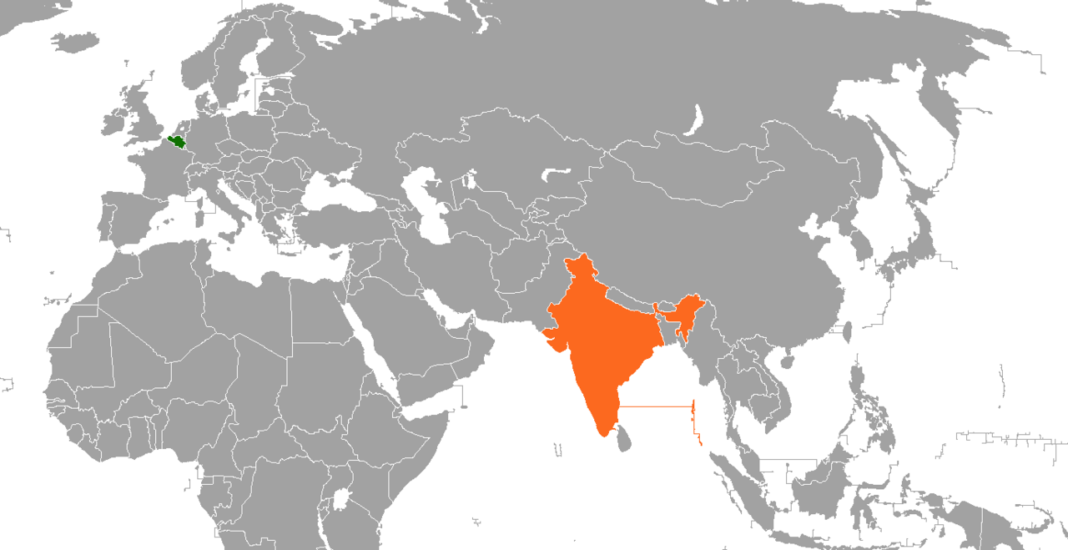
Details in a press release show that The visit of Prime Minister of Belgium, H.E. Mr. Bart De Wever, to India from September 02 – 04, 2026, at the invitation of Shri Narendra Modi, represents a significant diplomatic event. The statement indicates this is his first visit since taking office in February 2025. This visit underscores the growing importance placed on bilateral relations between Belgium and India by both governments – a fact confirmed by the scheduling of meetings focused on ‘the entire spectrum of bilateral relations’ as well as ‘regional and global issues of mutual interest.’ The timing, coinciding with the ongoing negotiation of the India-EU Free Trade Agreement (FTA), suggests a deliberate alignment of strategic goals.

Background
The statement does not address prior meetings between Indian and Belgian officials. It identifies Prime Minister De Wever’s accompaniment by the Belgian Minister of Defence, H.E. Mr. Theo Francken, as key to the visit’s objectives. The Confederation of Indian Industry (CII) business event indicates a focus on economic cooperation. The subsequent travel to Mumbai highlights specific sectoral engagement: diamond, ports & logistics.
Analysis
The stated aims – ‘trade and investment’ – are consistent with the ongoing India-EU FTA negotiations. The inclusion of ‘defence and security’ suggests a potential expansion of defence cooperation beyond existing frameworks. The focus on ‘technology, renewable energy, connectivity’ indicates an alignment with broader global trends. Prime Minister De Wever’s engagement with sectors such as diamond and ports & logistics demonstrates a targeted approach to economic partnerships. The statement does not address the underlying motivations driving these sectoral priorities.
Implications
The visit, if successful in advancing cooperation across identified areas, could bolster India’s trade relationships within the EU. Increased defence engagement may contribute to enhanced security arrangements. The focus on technology and renewable energy aligns with India’s stated commitments to sustainable development. Should the India-EU FTA be finalized, this visit represents a key step towards its implementation. The statement does not address potential challenges related to intellectual property rights or regulatory differences.
Outlook
If the bilateral talks on September 03 yield substantive agreements regarding trade and investment, it would signify a deepening of economic ties. Should the visit yield progress in defence cooperation, particularly concerning technology transfer, this could enhance India’s capabilities. If there is no advancement in the India-EU FTA, this suggests potential friction between the parties.