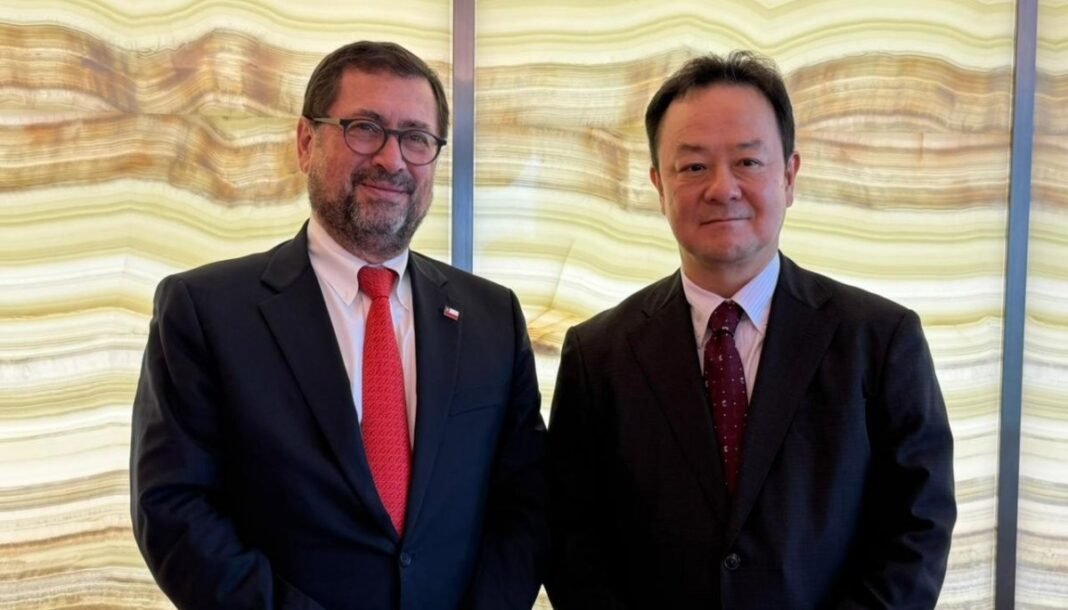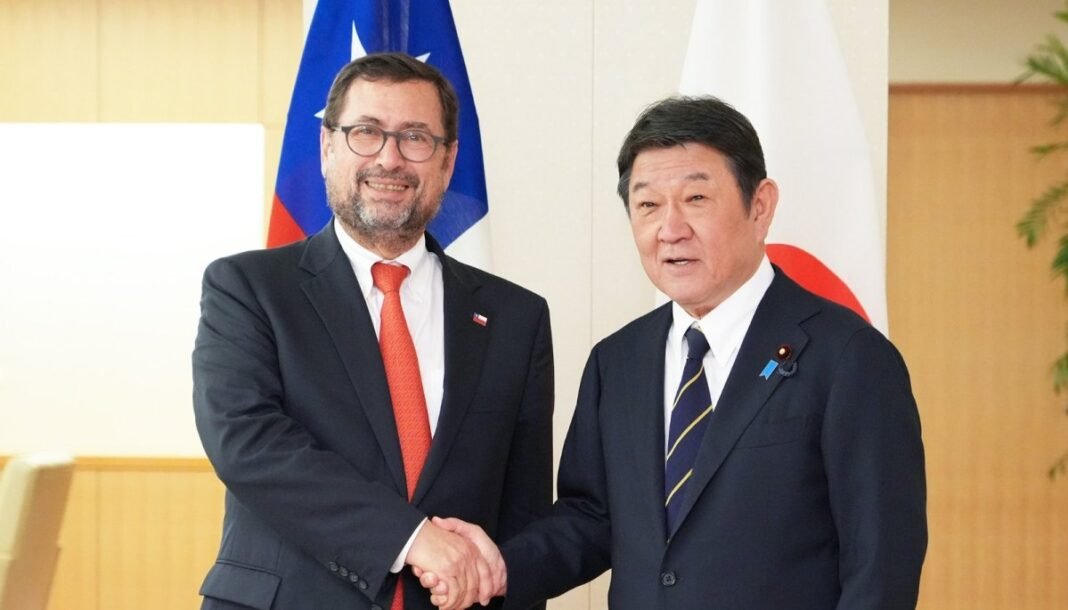
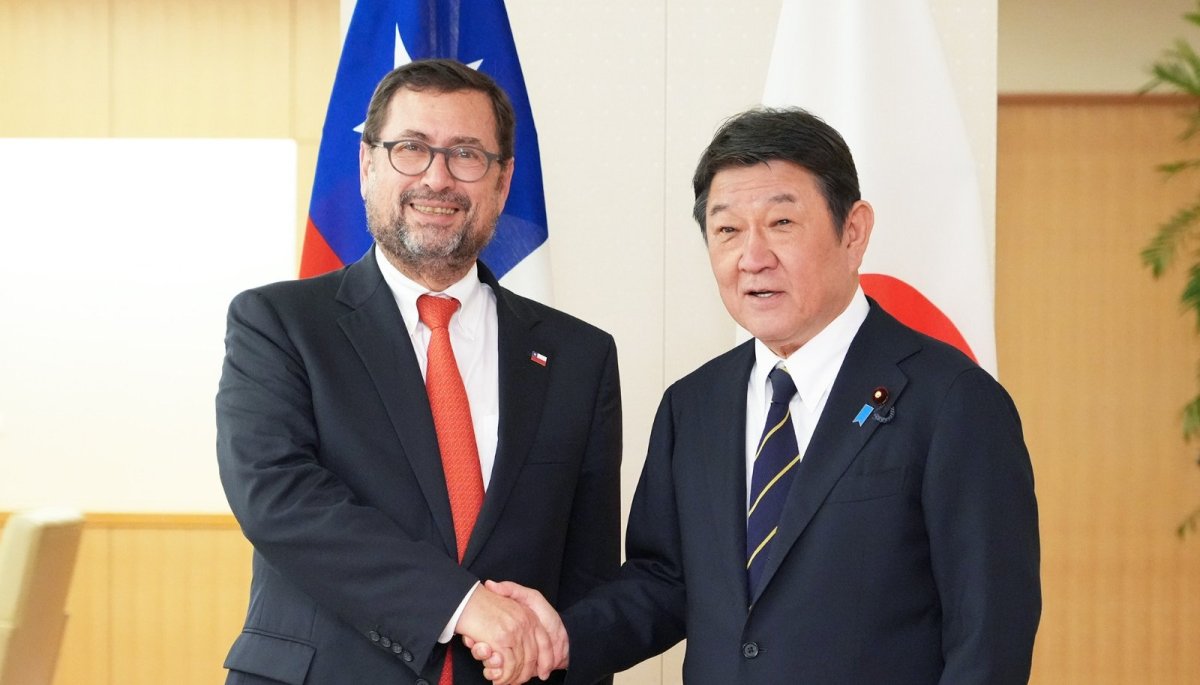
The meeting between Chilean Foreign Minister Francisco Pérez Mackenna and Japanese counterpart Toshimitsu Motegi this Friday, focused on solidifying a relationship spanning nearly 130 years, underscored Chile’s strategic interest in deepening ties with Tokyo—particularly concerning the production of critical minerals (the statement does not address specific mineral types). This commitment – framed by Mackenna as “a long tradition of friendship, admiration for its culture and a shared vision of the world” – represents a tangible effort to bolster economic diversification within Chile, a nation heavily reliant on copper exports. The value of this partnership extends beyond simple trade; it hinges on Japan’s continued investment in Chilean resources and the potential for expanded collaboration in a sector increasingly vital to global supply chains (the statement does not address current geopolitical pressures). (Read the full statement.)
Background
The alliance between Chile and Japan dates back to 1905, initially rooted in trade relations. The two nations have maintained this bond through successive administrations, culminating in a bilateral trade volume exceeding US$6 billion in the first half of 2026 alone – a figure driven largely by Japanese investment. Japan is currently the fourth largest commercial partner for Chile, with growth accelerating at 11% during the first six months of the year. This sustained economic engagement is further reinforced by Japan’s position as the largest Asian investor in Chile, holding a current stock valued at over US$7 billion and demonstrating an upward trend.
Analysis
The focus on critical minerals represents a calculated move by both governments. For Chile, diversification is increasingly urgent given global demand and rising geopolitical risks surrounding access to raw materials—particularly in light of ongoing trade disputes (the statement does not address the impact of these disputes). Japan’s investment strategy reflects a broader effort to secure supply lines and reduce reliance on potentially unstable sources. The increasing bilateral trade volume – 11% growth – suggests a mutual recognition of economic interdependence, but also a potential vulnerability if disruptions occur in either market.
The presentation of Valparaíso’s candidacy for the Executive Secretariat of the BBNJ Agreement—also known as the High Seas Biodiversity Treaty—adds another layer to this relationship. This signals Chile’s ambition to play a leading role in international efforts to regulate deep-sea mining, an area fraught with environmental concerns and competing national interests (the statement does not address potential challenges to Valparaíso’s candidacy). The agreement aims to protect marine biodiversity beyond national jurisdiction, a critical issue given Chile’s extensive coastline and significant fishing industry.
Implications
This strengthened alliance has implications for regional stability. A deepened economic partnership between Chile and Japan can contribute to greater investment and trade flows across the Asia-Pacific region—potentially fostering a more stable geopolitical environment, although this depends on broader global trends. Furthermore, the agreement’s emphasis on critical minerals necessitates careful consideration of environmental safeguards and sustainable resource management practices within both countries.
The potential for increased Japanese investment in Chile’s mining sector could reshape the country’s economic landscape, creating opportunities but also raising concerns about labor standards, environmental impact assessments, and the long-term sustainability of resource extraction. Should Japan successfully secure a significant share of Chilean critical mineral production, it would strengthen its strategic position within global supply chains.
Outlook
If the visit yields further agreements on collaborative projects in the critical minerals sector, Chile will need to proactively address potential regulatory hurdles and ensure alignment with international environmental standards. Should Japan’s investment continue at its current pace, this could exacerbate existing pressures on Chilean infrastructure and contribute to social tensions within mining communities. The success of Valparaíso’s bid for the BBNJ Executive Secretariat hinges on securing support from key maritime nations – a challenging prospect given differing views on deep-sea mining regulations.
Conclusion
The renewed alliance between Chile and Japan demonstrates a strategic alignment, but the statement does not address whether this partnership will ultimately prioritize economic growth over environmental sustainability or equitable distribution of benefits within Chilean society. Chile’s commitment to navigating the complexities of deep-sea mining remains unresolved.