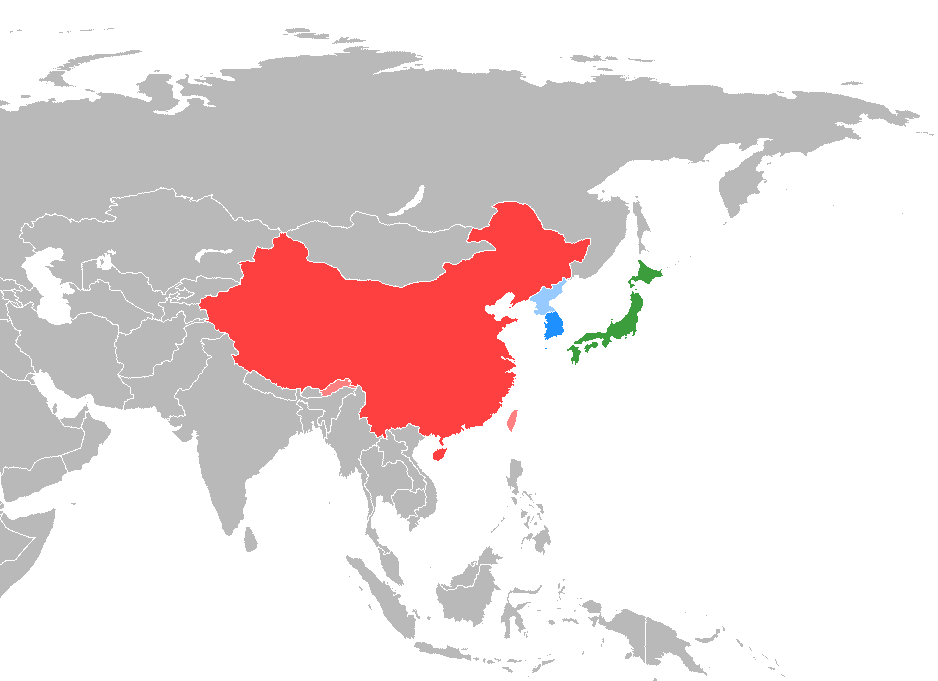
Reporting in a government statement, The convening of a second trilateral meeting between South Korean Foreign Minister Cho Hyun, U.S. Secretary of State Marco Rubio, and Japanese Minister for Foreign Affairs Motegi Toshimitsu on July 22nd underscored a strategic priority: bolstering regional security and coordinating economic strategies. This event, held during the ASEAN-related Foreign Ministers’ Meetings in Manila, demonstrates a deliberate escalation of cooperation amidst growing uncertainty regarding the Korean Peninsula and broader geopolitical developments. The fact that this second meeting occurred just two weeks following the inaugural gathering highlights a recognized need for sustained engagement—a tacit acknowledgement of the urgency surrounding key security concerns.

Background
The statement does not address specific prior meetings or agreements. However, the reference to a July 7th NATO Summit meeting indicates an established pattern of trilateral engagement initiated earlier in the year. The inclusion of the ASEAN-related Foreign Ministers’ Meetings provides context—these gatherings represent a key forum for engaging with regional partners and conveying unified messages. The repetition of the “two weeks” timeframe further emphasizes the importance placed on rapid responses and consistent communication within this evolving framework.
Analysis
The core motivation driving this intensified trilateral cooperation appears to be a shared assessment of escalating risks, particularly concerning North Korea’s actions. This suggests a mutual recognition that unilateral efforts are insufficient to maintain stability. The emphasis on “maintaining a robust deterrence posture” indicates a continued commitment to bolstering defensive capabilities—a direct response to the DPRK’s provocations. Furthermore, the discussion of “economic security” reveals an awareness of vulnerabilities within supply chains and critical technologies – areas where coordinated action is deemed crucial. The statement does not address potential tensions related to resource competition or strategic influence in the Indo-Pacific region, though the references to maritime security implicitly acknowledge these concerns.
Implications
For policymakers, this intensified trilateral engagement represents a tangible shift toward greater coordination on foreign policy—a departure from previously siloed approaches. The commitment to “policy coordination” could translate into more synchronized diplomatic efforts and potentially joint military exercises within the region. This deepened cooperation has significant implications for regional stability, particularly concerning North Korea’s nuclear ambitions and attempts to unilaterally alter the status quo in the maritime environment. The agreement to explore areas like “combating transnational crimes” highlights a broadening of security concerns beyond traditional military threats. The statement does not address potential impacts on trade relations or investment flows between the three countries.
Outlook
Should the visit yield continued commitment to frequent consultations, as the Ministers and the Secretary agreed, it could provide a framework for addressing escalating tensions surrounding North Korea. If the coordinated deterrence posture proves effective in deterring further DPRK provocations, it would reinforce the value of this trilateral partnership. However, should disagreements persist regarding approaches to Pyongyang or broader regional security issues, the momentum of this cooperation could be significantly undermined. If the Ministers and the Secretary are able to deliver tangible outcomes – particularly in areas like economic security—it would strengthen the foundations for future collaboration.