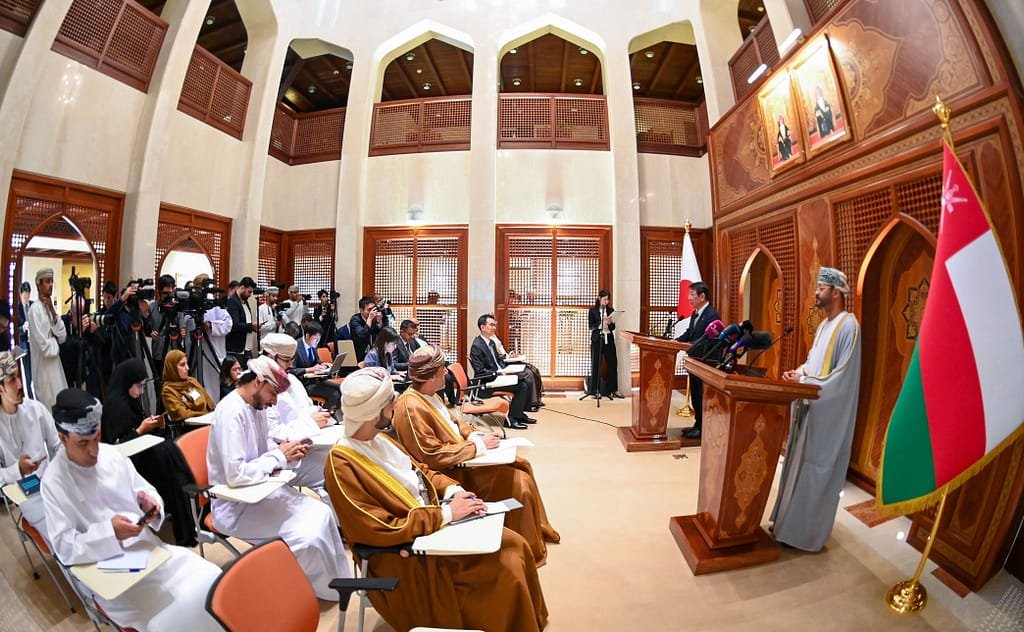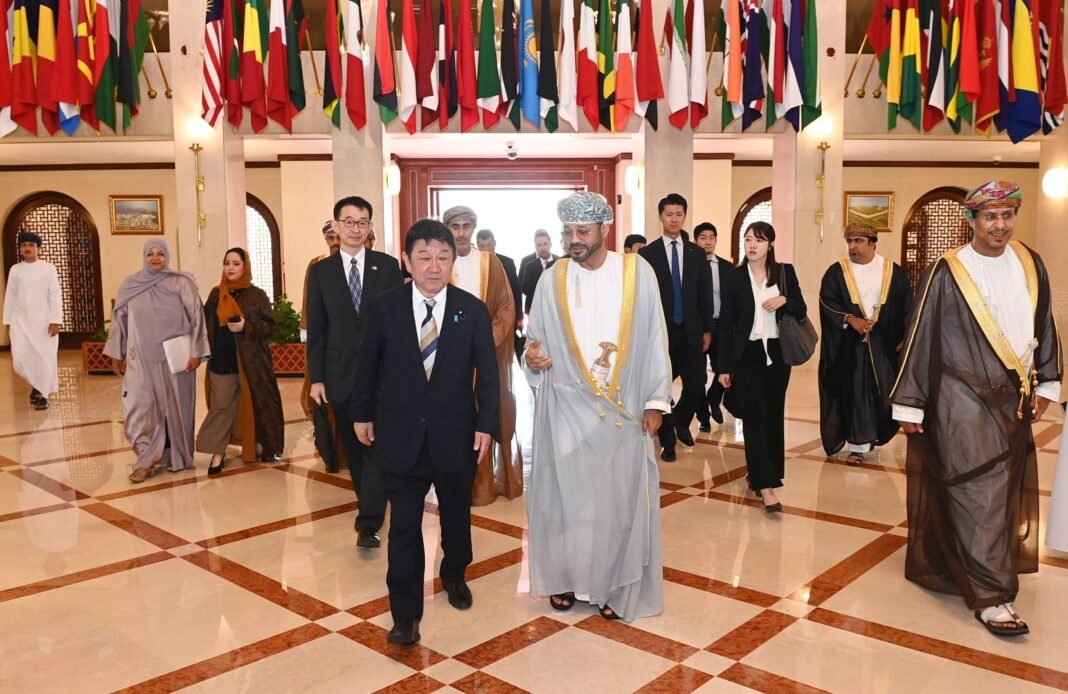
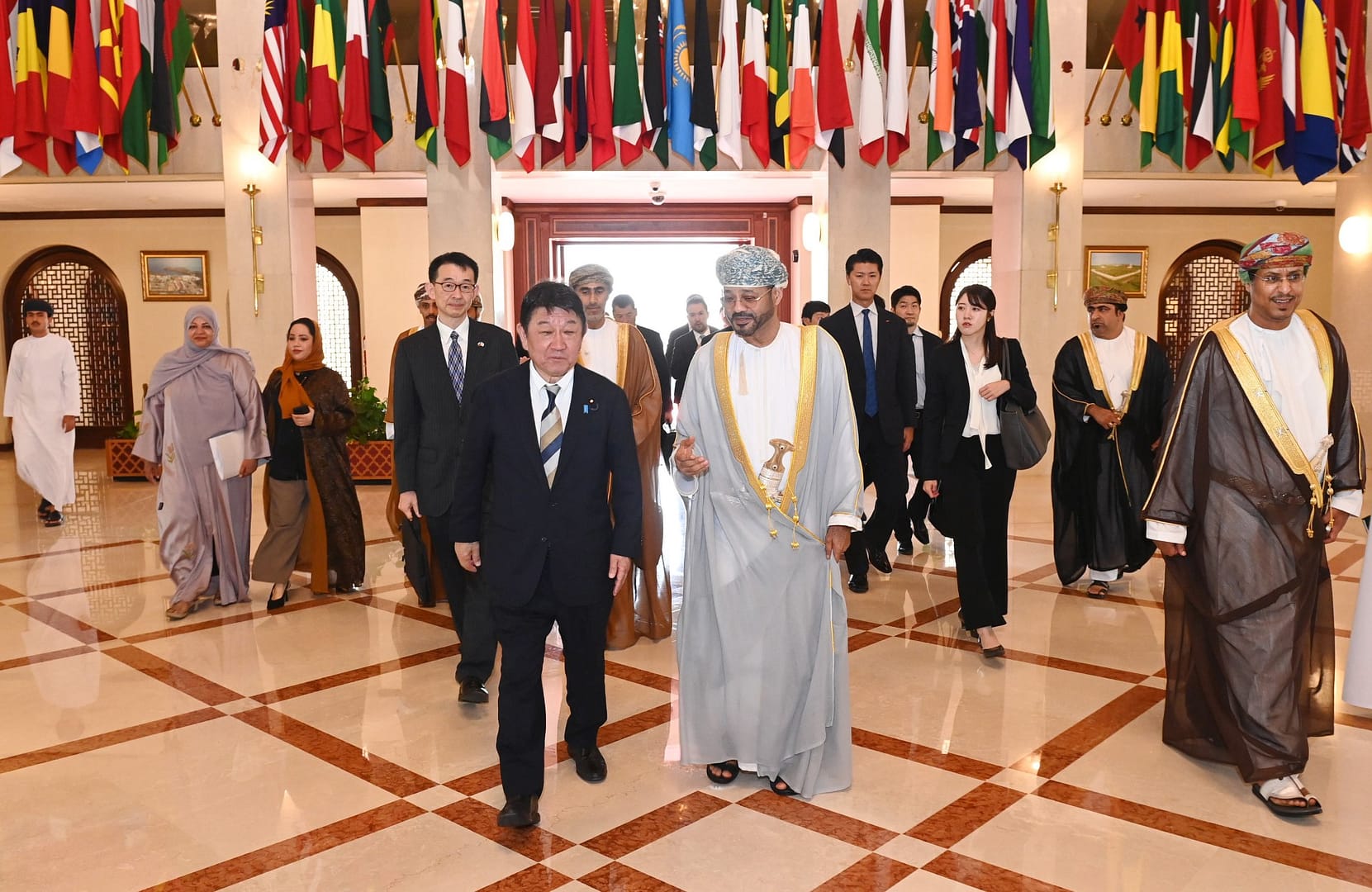
The foreign ministry readout describes Oman’s Foreign Minister Sayyid Badr Albusaidi received Japanese Foreign Minister Toshimitsu Motegi at the Foreign Ministry in Muscat on 20 August 2026, marking a significant step towards bolstering cooperation on critical geopolitical issues. The meeting centered around safeguarding maritime navigation through the Straits of Hormuz and Bab Al Mandab, highlighting the vital waterways’ importance to international trade and global supply chains.
Background
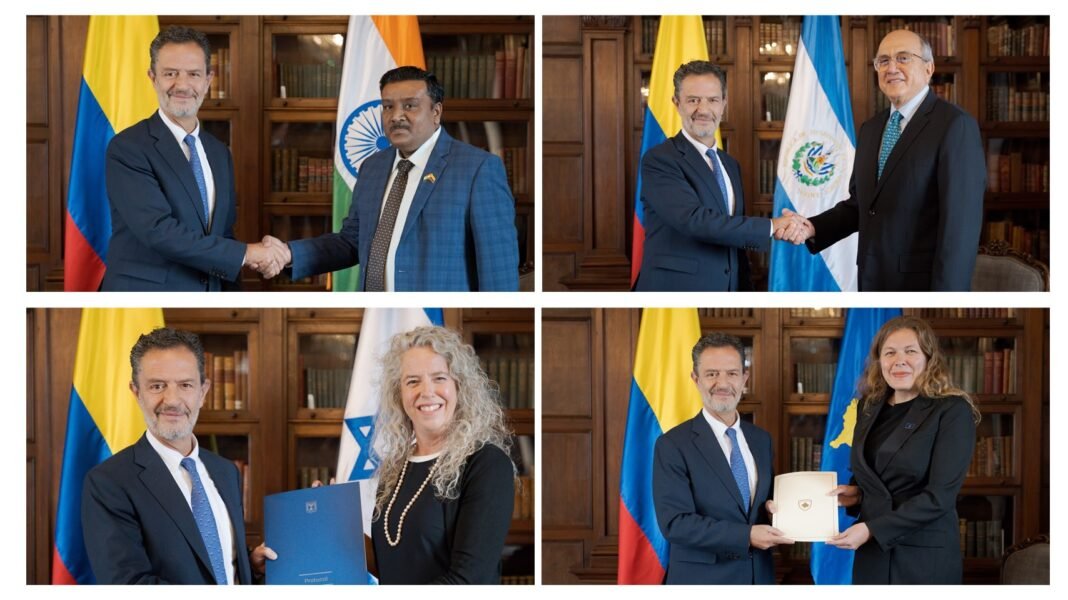
Prior to this meeting, bilateral relations between Oman and Japan had been steadily developing, evidenced by ongoing diplomatic engagements. The statement does not address previous meetings or agreements. A Japanese Ambassador to Oman, Kiyoshi Serizawa, is currently stationed in Muscat, facilitating continued dialogue. Furthermore, the meeting aligns with broader regional developments, specifically referencing efforts to de-escalate tensions – a context underscored by recent statements from the Omani Foreign Ministry concerning Israeli settlement activities and expressions of solidarity with Colombia following an earthquake.
Analysis
The core objective of this engagement appears to be securing mutual interests regarding maritime security. The emphasis on the Straits of Hormuz and Bab Al Mandab reveals a shared concern about potential disruptions to trade flows, particularly given ongoing instability in surrounding regions. This signals an alignment with international law concerning freedom of navigation, a key element in safeguarding global supply chains. The ministers’ discussion extends beyond simple security concerns, encompassing economic cooperation across political, economic, and cultural fields – including expanding collaboration on oil and liquefied natural gas, and exploring opportunities in renewable energy sectors like hydrogen and ammonia.
Implications
This meeting carries significant implications for regional stability. The focus on maritime security directly addresses a persistent vulnerability within the Persian Gulf region. Should this partnership yield success – as indicated by the ministers’ commitment to further developing cooperation – it could serve as a model for other nations seeking to mitigate risks associated with geopolitical instability and trade disruptions. Furthermore, the exploration of economic partnerships extends beyond pure energy resources, encompassing tourism, transport, environment, technology, maritime security, food security and education, representing an attempt to diversify ties.
Outlook
If the visit yields a concrete framework for joint naval exercises or information sharing regarding maritime threats, it would represent a notable advancement. Should the ministers agree on specific measures to ensure freedom of navigation, the statement does not address potential challenges such as differing interpretations of international law or disagreements over security arrangements. The emphasis on economic cooperation suggests a long-term commitment, but success hinges on overcoming obstacles related to regulatory differences and investment barriers.
Conclusion
The meeting concludes with the question of whether this diplomatic engagement will translate into tangible mechanisms for safeguarding vital trade routes – or merely reaffirm a shared strategic interest in a region increasingly defined by geopolitical competition.