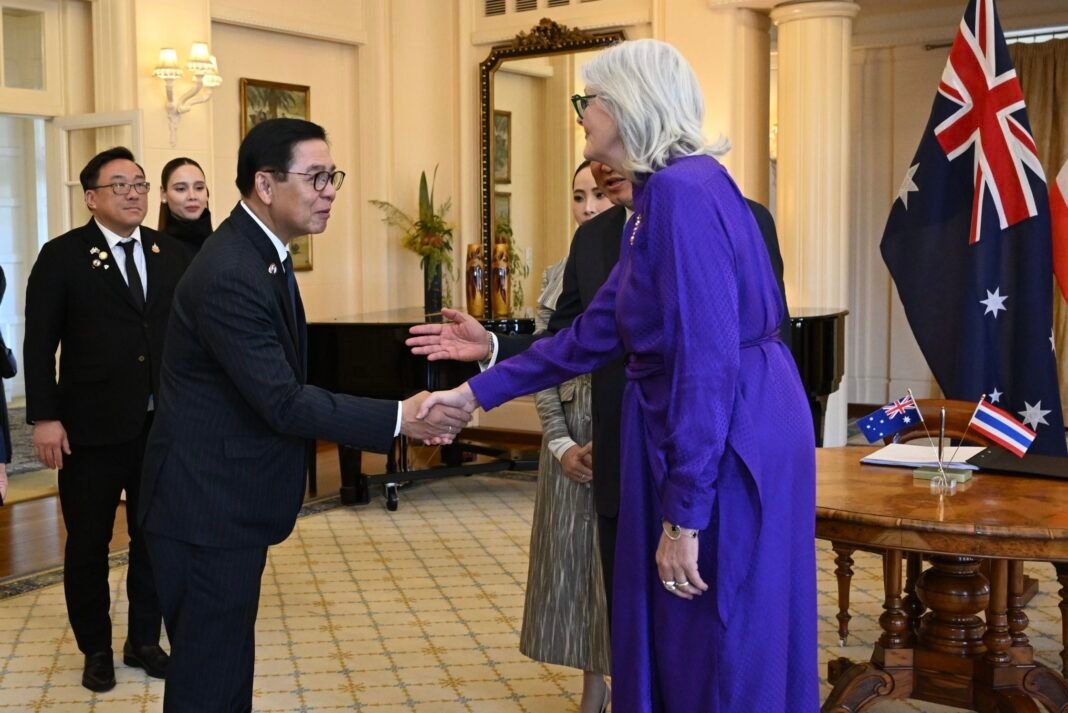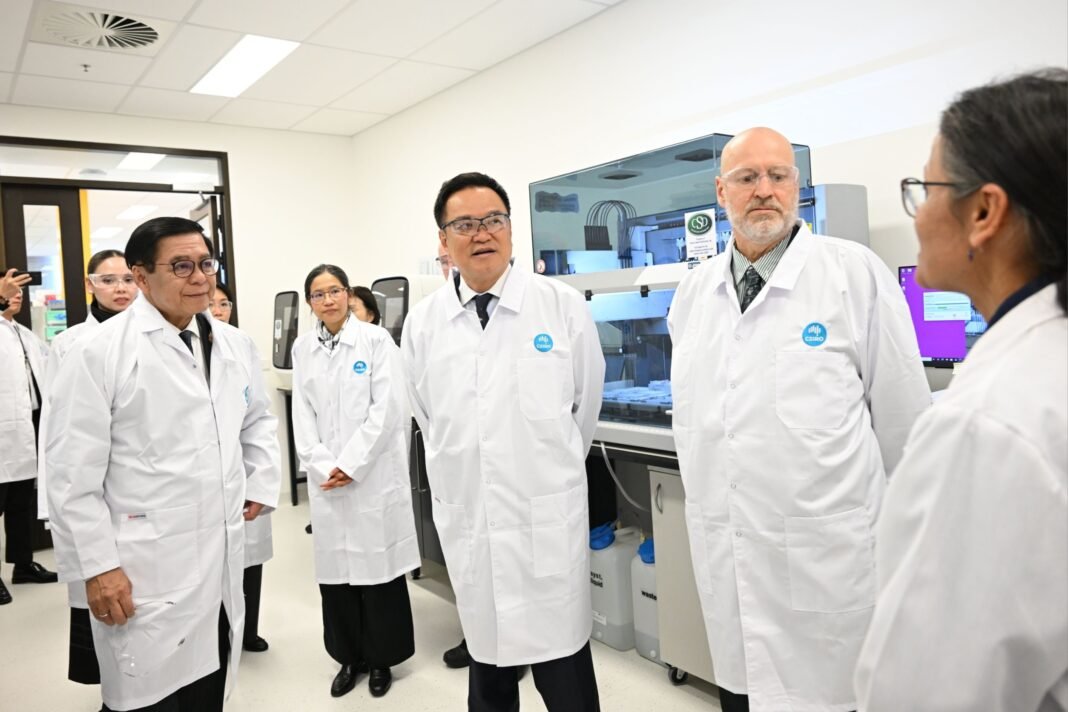
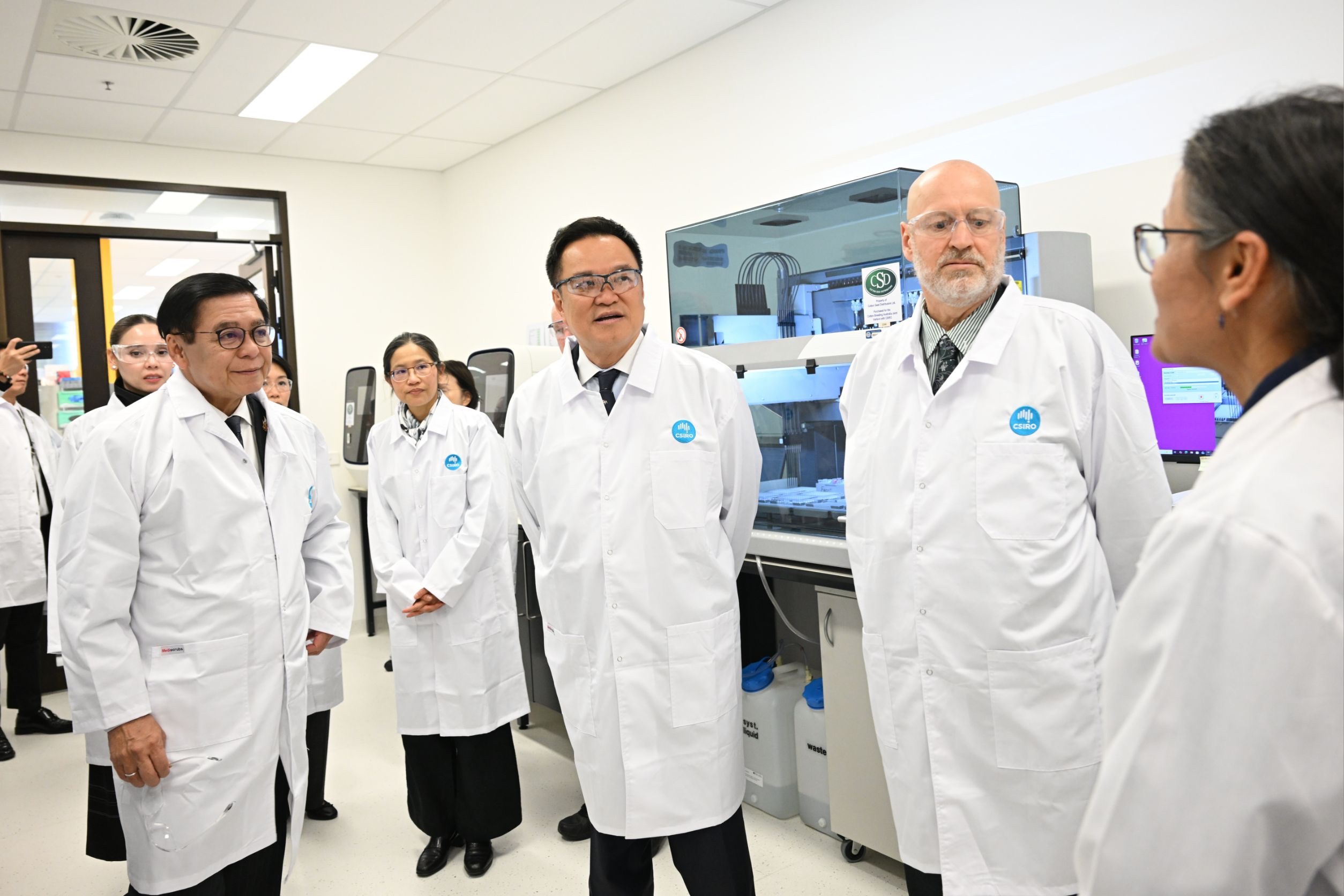
Background: The 20-Year “5S” Foreign Affairs Masterplan, as detailed within the Ministry’s policy statement, prioritizes strategic partnerships and technological advancement as key drivers of national development. Previous meetings between Thai officials and Australian counterparts have reportedly focused on identifying areas of mutual interest in scientific research and development. The establishment of this Letter of Intent builds upon ongoing engagement between Thailand and Australia across a range of sectors, including defence, trade, and education – all documented within the Ministry’s annual reports. The visit to Canberra itself, as outlined in the press release, was part of a broader official visit to the Commonwealth of Australia, further solidifying existing diplomatic ties. The signing of this Letter of Intent directly follows briefings provided by CSIRO regarding its missions prior to the formal agreement.
Analysis: The stated aims – strengthening joint research activities, promoting information exchange and exploring potential cooperation – demonstrate Thailand’s desire to access advanced scientific capabilities offered by CSIRO. The focus on “science and innovation” suggests a strategic effort to move beyond traditional trade agreements and towards higher-value industries. However, the agreement’s specific terms remain undefined within the press release; this lack of detail raises questions about the level of commitment from both sides and the potential for future disagreements over priorities. The involvement of NSTDA indicates a recognition by Thailand that bolstering its domestic research capacity is essential to achieving long-term economic competitiveness – a core tenet of the “5S” Masterplan. Should the visit yield successful outcomes, it would represent an important step in diversifying Thailand’s technological base and reducing reliance on imported technologies.
Implications: For policymakers, this partnership signals a potential shift towards greater investment in research and development within Thailand. Should the joint research activities prove fruitful – if the exchange of information and knowledge is effectively implemented – it could lead to tangible advancements across various sectors, including agriculture, renewable energy, and materials science. Regionally, the strengthening of ties with Australia could bolster Thailand’s position within the broader ASEAN framework, particularly in terms of technological collaboration. Trade relations are likely to be indirectly impacted by increased innovation and potentially new product development resulting from the partnership. Security implications remain unaddressed – the statement does not address potential collaborations related to defense technology or intelligence sharing.
Outlook: If the Letter of Intent leads to demonstrable advancements in joint research projects, Thailand could significantly enhance its scientific capabilities over the coming years. Should the collaboration be sustained and adequately funded, it would contribute towards achieving key objectives outlined within the “5S” Masterplan. However, if funding commitments remain vague or if disagreements arise regarding specific areas of research – if the exchange of information and knowledge proves challenging to coordinate – the partnership’s long-term success could be jeopardized. The statement does not address any potential mechanisms for resolving disputes or ensuring equitable distribution of benefits arising from the collaboration.
Conclusion: The signing of this Letter of Intent represents a step forward in Thailand’s efforts to bolster its scientific capabilities, but it leaves unanswered key questions regarding the scope and sustainability of the partnership. The Ministry’s continued focus on technological advancement will depend heavily upon securing concrete outcomes from these initial collaborations.