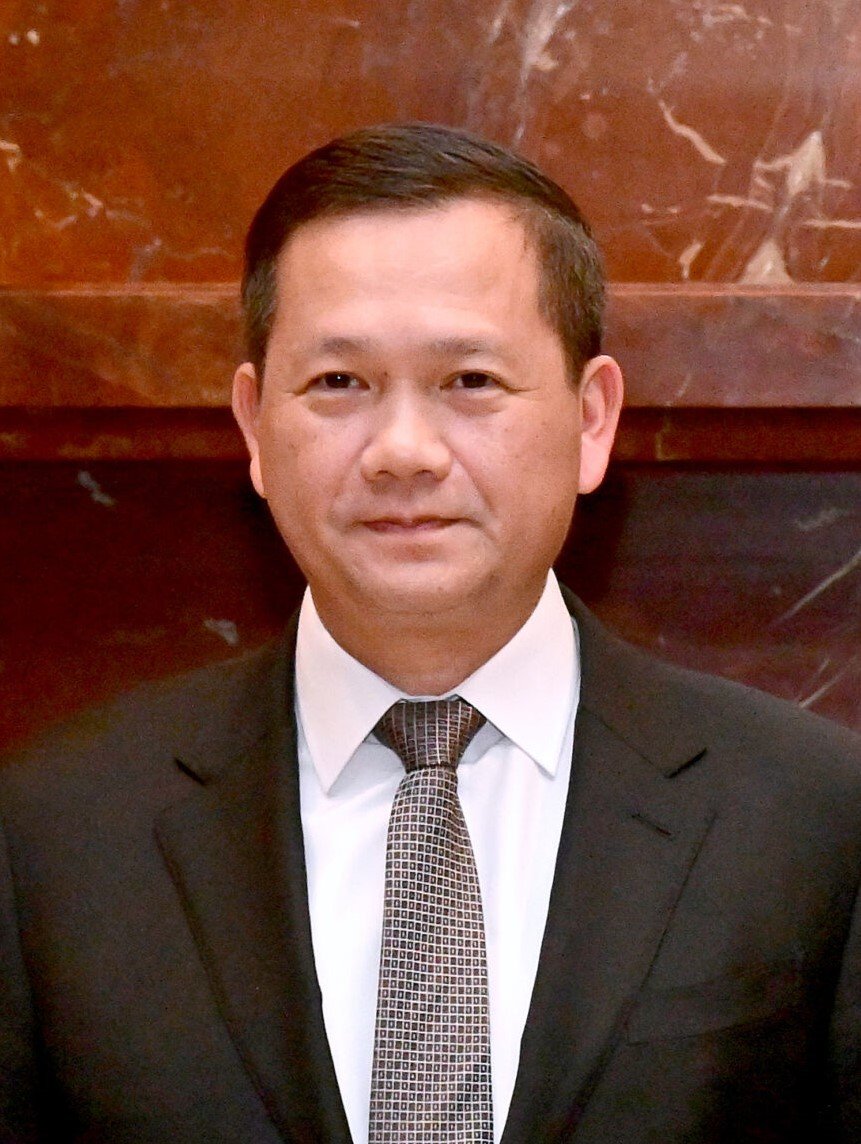
The foreign ministry readout describes The statement does not mention the specific date of the 81st Anniversary of the Independence Day of Indonesia. However, it details that Samdech Moha Borvor Thipadei HUN Manet, Prime Minister of the Kingdom of Cambodia, issued a congratulatory letter to His Excellency Prabowo Subianto, President of the Republic of Indonesia, on this occasion. This action occurred on 17 August 2026, as confirmed by the Ministry of Foreign Affairs of the Kingdom of Cambodia’s press release. The timing is significant; the Indonesian leader’s position within ASEAN and his ongoing engagement with China present a key factor in Cambodian foreign policy calculations. The statement does not address the specific content of the letter itself.

Background
The Ministry of Foreign Affairs of the Kingdom of Cambodia issued this press release on 17 August 2026. It announces a series of congratulatory messages sent by various heads of state, including His Excellency Nikos Christodoulides, President of Cyprus; His Excellency Emmanuel Macron, President of France; His Excellency Seyyed Ebrahim Raisi, President of Iran; His Excellency Jonathan Dale Kings, Ambassador of New Zealand to Cambodia; and His Excellency Dinesh Gunawardena, Prime Minister of Sri Lanka. These communications appear to be part of a coordinated diplomatic effort, timed precisely with the 81st Anniversary of Indonesia’s Independence Day. The statement does not specify any prior meetings or agreements that prompted these messages.
Analysis
The rapid issuance of congratulatory letters suggests a deliberate strategy on Manet’s part. This demonstrates an active engagement in cultivating relationships with key regional actors. The inclusion of leaders from Indonesia, Cyprus, France, Iran, New Zealand and Sri Lanka indicates Cambodia’s desire to diversify its diplomatic portfolio beyond traditional ASEAN partners. This suggests an effort to mitigate any potential negative consequences stemming from shifting geopolitical alignments within Southeast Asia. The statement does not address the motivations behind this intensified outreach – whether driven by a genuine desire for increased cooperation or a calculated attempt to secure strategic advantages.
Implications
The Prime Minister’s actions have immediate implications for Cambodia’s foreign policy trajectory. Should the visit yield positive outcomes, it could strengthen Cambodia’s position within ASEAN and potentially open doors to expanded trade and investment opportunities. The coordinated messaging also signals a willingness to engage with nations holding differing views on regional security issues, particularly concerning maritime disputes in the South China Sea – a topic the statement does not address. This strategy risks further complicating Cambodia’s already precarious balancing act between Beijing and Washington.
Outlook
If the visit to Indonesia yields an agreement on economic cooperation, as is possible given Manet’s stated priorities, it would bolster Cambodia’s economy. Should the engagement with these diverse leaders fail to produce tangible results, the Prime Minister’s diplomatic initiative may be viewed as a strategic misstep, potentially exacerbating existing tensions within ASEAN. The statement does not offer any projections on how this flurry of congratulations will impact future Cambodian foreign policy decisions.
Conclusion
The volume and diversity of congratulatory messages issued by Samdech Moha Borvor Thipadei HUN Manet represent a significant, though currently undefined, element of Cambodia’s evolving diplomatic strategy. The government’s focus remains on bolstering economic ties with key partners, but the underlying questions about its long-term geopolitical alignment remain unanswered.