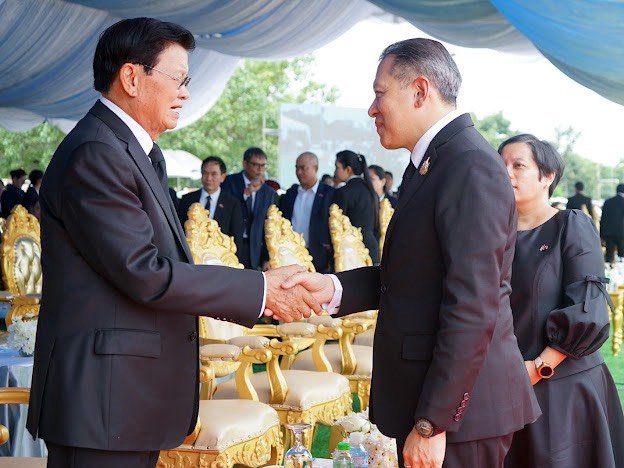
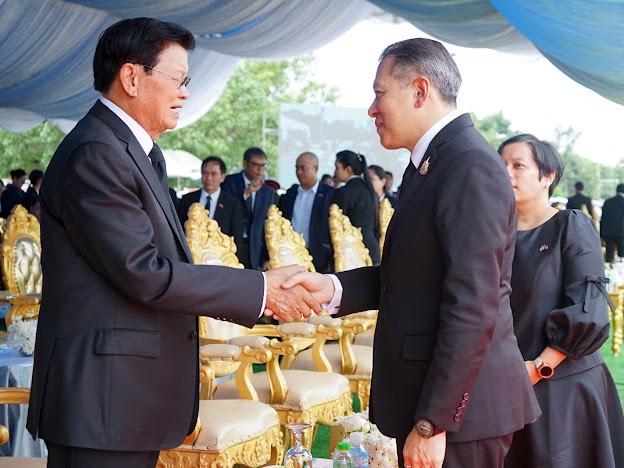
In a published statement ahead of the visit, On 12 August 2026, H.E. Mr. Sarun Charoensuwan, Vice Minister for Foreign Affairs, as representative of the Thai Government, attended the State Cremation Ceremony of H.E. Mr. Xaysomphone Phomvihane, President of the National Assembly of the Lao PDR, at the That Luang Esplanade in Vientiane. The statement does not mention the specific time of the ceremony or any details regarding attendance beyond the Vice Minister’s presence. This event matters because it represents a formal gesture of condolence from Thailand to Laos following the passing of its head of state – a ritual deeply embedded within Southeast Asian diplomatic protocols and signaling continued political engagement.
Background: The Thai Ministry of Foreign Affairs has consistently emphasized the importance of the Thailand-Laos relationship as a cornerstone of regional stability, particularly within the Association of Southeast Nations (ASEAN). The “5S” Foreign Affairs Masterplan, initiated in 2014, prioritizes security cooperation, economic linkages, and cultural exchanges. This annual report highlights ongoing efforts to deepen these bonds, evidenced by frequent high-level visits and collaborative projects. The State Cremation Ceremony itself is a traditional Lao event, reflecting the country’s Buddhist heritage – a practice that Thailand has long acknowledged and engaged with through various cultural exchange programs. The statement does not address any prior meetings or discussions between Thai and Lao officials related to this event.
Analysis: The act of representation by Mr. Charoensuwan underscores Bangkok’s commitment to maintaining close ties with Vientiane, particularly given the ongoing geopolitical dynamics in Southeast Asia. The conveyance of condolences is a standard diplomatic procedure, but it simultaneously reinforces Thailand’s position as a key partner within ASEAN. This visit suggests an intention to maintain momentum on existing collaborative initiatives, notably those related to border security and trade facilitation – areas where Thailand has long sought greater influence. The statement does not address the potential implications for Thai foreign policy should the visit yield opportunities for expanded cooperation or if it simply serves to demonstrate continued support for Laos’s development. It is crucial to note that this event represents a limited, highly formal engagement; the statement does not provide insight into Thailand’s broader strategic calculations regarding regional power dynamics.
Implications: For policymakers in Bangkok, the attendance at the ceremony signals an adherence to established diplomatic norms and a prioritization of stability within the ASEAN framework. Should the visit be perceived as successful in reaffirming bilateral ties, it could bolster Thailand’s standing within ASEAN and potentially open doors for increased engagement on regional security issues. However, given the lack of detail provided in the statement, the implications remain largely undefined – particularly concerning Thailand’s approach to navigating evolving relationships with China and other major regional actors. The event does not address any potential impact on trade flows between the two countries or influence over border management disputes.
Outlook: If the visit yields no concrete outcomes beyond reaffirmed commitments, it will likely be viewed as a prudent exercise in diplomatic protocol. Should the visit yield opportunities for increased collaboration on cross-border infrastructure projects – a longstanding priority for both nations – it would represent a positive development. The statement does not address potential challenges related to regional security concerns or the broader strategic alignment of ASEAN member states. If Thailand continues to prioritize bilateral engagement with Laos, as suggested by this event, it will be crucial to assess whether this approach aligns with Bangkok’s longer-term objectives within the evolving geopolitical landscape.
Conclusion: The State Cremation Ceremony serves as a carefully calibrated demonstration of Thai diplomatic intentions – one that ultimately raises more questions than answers regarding Thailand’s broader foreign policy ambitions in Southeast Asia.