
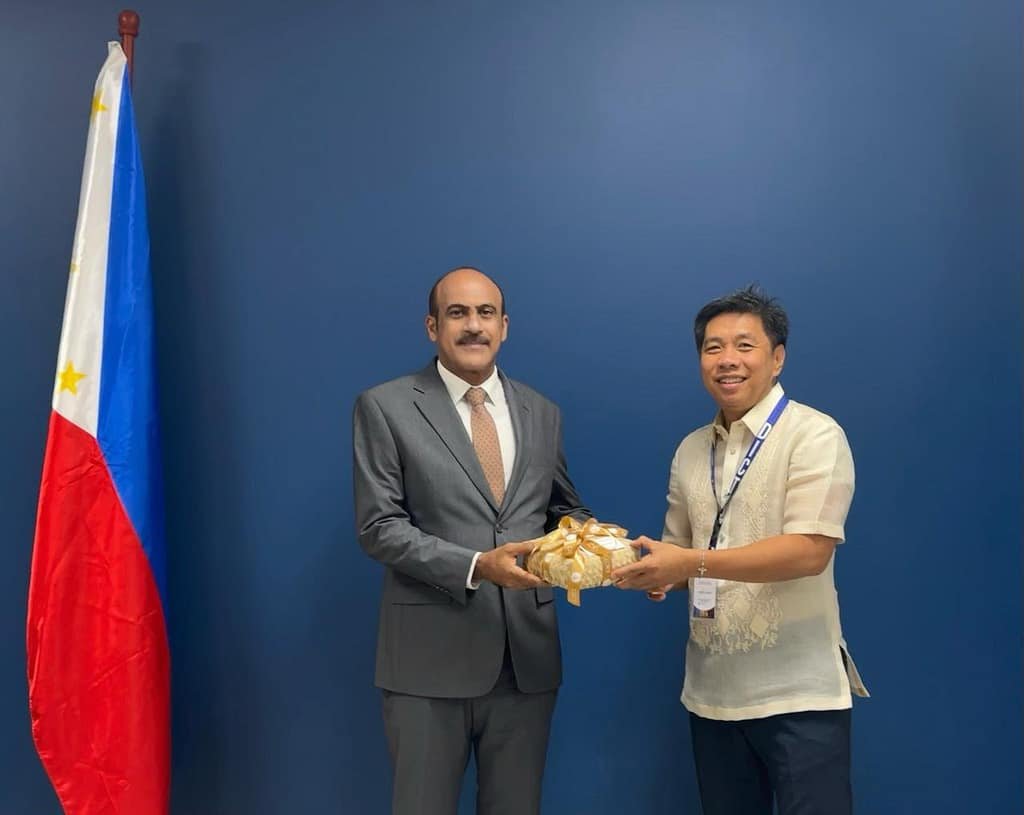
On 12 August 2026, Amina Srarfi, Tunisia’s Minister of Cultural Affairs, received Dr Hilal bin Abdullah Alsanani, Ambassador of the Sultanate of Oman to the Republic of Tunisia. This meeting focused on cooperation between their two brotherly countries. The statement does not mention specific areas of collaboration, but it highlights a deliberate effort to cultivate relationships within North Africa – a region increasingly subject to external pressures and shifting alliances. The event occurs against a backdrop of multiple recent Omani statements addressing regional crises, suggesting a strategic prioritization of engagement.; see the full statement.

Background
The meeting follows previous diplomatic activity involving Oman. On 11 August 2026, His Majesty received a call from the King of Bahrain. Furthermore, on 11 August 2026, Oman expressed solidarity with Colombia following a devastating earthquake. The statement does not address the underlying motivations for these engagements; however, it is consistent with a pattern of Omani statements concerning regional instability – most recently, condemning drone attacks on Saudi Arabia on 27 July 2026.
Analysis
The meeting between Srarfi and Alsanani represents a calculated move by Oman to diversify its diplomatic portfolio. The statement does not explain the strategic rationale behind this intensified engagement with Tunisia, but it likely reflects an interest in bolstering influence within North Africa – a strategically important region bordering Libya. Oman’s recent condemnations of Colombian actions regarding Syria suggest a broader alignment with countries challenging established regional narratives. This pattern of activity suggests Oman is seeking to position itself as a mediator and advocate for its interests amidst heightened geopolitical tensions.
Implications
The increased focus on Tunisia carries implications for regional stability, particularly given the ongoing political challenges within the country. Should Oman’s engagement prove successful in fostering dialogue, it could contribute to a more stable environment. The statement does not address the potential impact of this relationship on broader security dynamics in the Mediterranean. Furthermore, the timing – alongside continued criticism of Colombian policy – raises questions about Oman’s stance towards international efforts to resolve protracted conflicts.
Outlook
If the visit yields positive results regarding cooperation between their two countries, Oman’s strategy will be to further solidify this relationship. Should the Ambassador’s discussions result in a framework for cultural exchange or joint development projects, it would represent a significant step towards strengthening bilateral ties. However, if the meeting remains purely symbolic, it may signal a limited commitment and reinforce the impression that Omani diplomatic efforts are primarily reactive – focused on responding to external crises rather than proactively shaping regional outcomes.
Conclusion
The engagement with Tunisia underscores Oman’s continued role as an actor in regional diplomacy. The statement does not provide a clear indication of the long-term objectives driving this renewed focus, leaving open the question of whether Muscat intends to become a more active participant in shaping the future of North Africa.


.jpg)