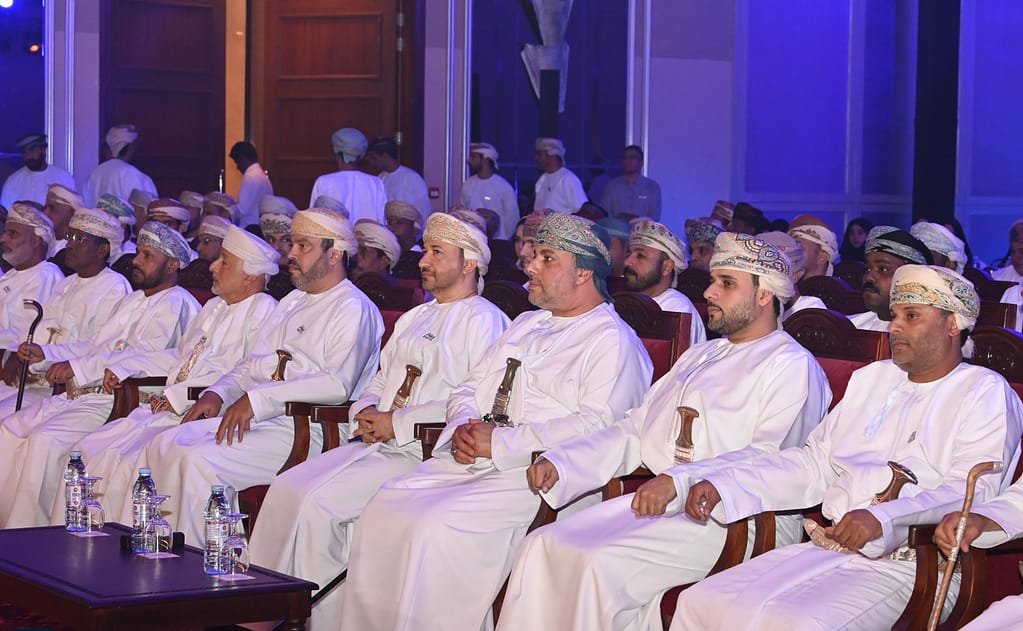
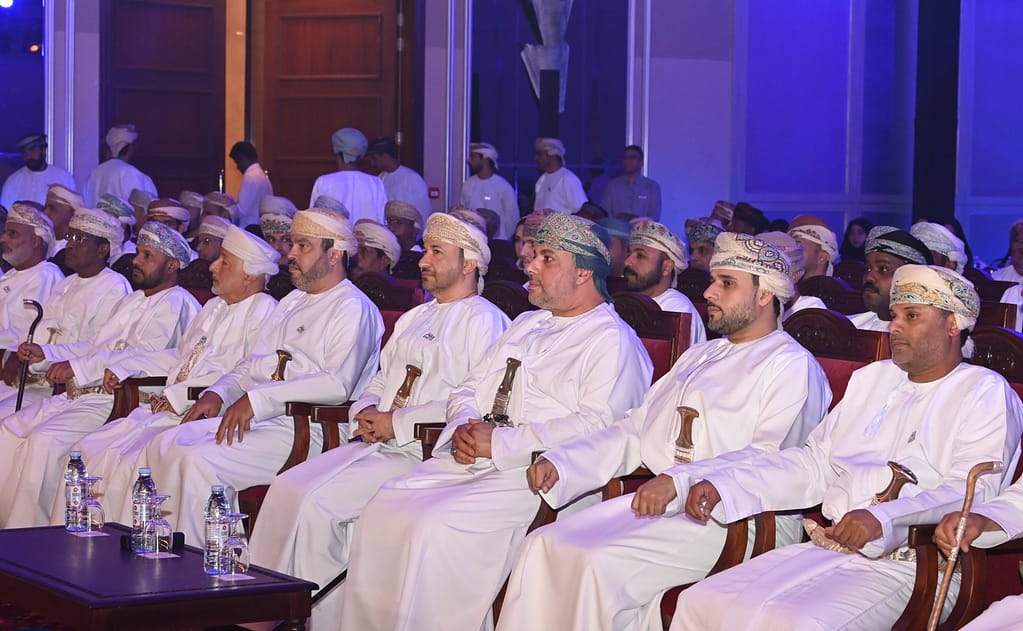
Background: The Food Security Forum and Exhibition opened in Dhofar Governorate on August 10, 2026. It is organised by the Dhofar branch of the Oman Chamber of Commerce and Industry in partnership with the Office of the Governor of Dhofar and the Ministry of Agriculture, Fisheries and Water Resources. Naif bin Hamed Fadel, Chairman of the Oman Chamber of Commerce and Industry branch in Dhofar Governorate, delivered a speech outlining the importance of food security within Oman’s strategic objectives. The event runs until August 15 with officials and representatives from the public and private sectors attending.
Analysis: The government’s focus on food security is driven by several converging incentives. The Strategic Objectives of Oman Vision 2040 – diversification, private sector empowerment, and technology localization – demand a secure domestic supply chain. The data reveals a notable increase in self-sufficiency, reaching 146% for fish and 99% for dates by the end of 2025 (the statement does not detail the baseline figures). Moreover, the provision of subsidized loans and usufruct rights creates powerful incentives for private sector investment. However, the reliance on long-term financing instruments – with a subsidised interest rate of 3% and repayment periods of up to 15 years – raises questions about the financial sustainability of these projects.
Implications: The increased investment in food security has implications for regional stability, reducing Oman’s vulnerability to global supply chain disruptions. The development of the Najd Agricultural City, with its projected impact on GDP and employment (6,500 jobs), demonstrates a commitment to economic growth within Dhofar Governorate. Trade relationships could shift as Oman seeks to become a more reliable supplier within the GCC.
Outlook: Should the visit yield further investment commitments and the “Tatweer” platform demonstrably reduce administrative burdens, Oman’s food security position could strengthen considerably. If the projected agricultural production increases are not realised due to unforeseen climatic challenges or technological limitations, the reliance on external financing will intensify. The success of the Najd Agricultural City hinges critically on the delivery of its three investment phases and the sustained participation of both public and private actors.
Conclusion: The Forum’s unveiling of ambitious projects in Dhofar Governorate represents a substantial commitment to food security, but the long-term viability of these initiatives remains contingent upon effective implementation and continued government support – leaving open the question of whether this will translate into genuine self-sufficiency or simply another investment cycle.