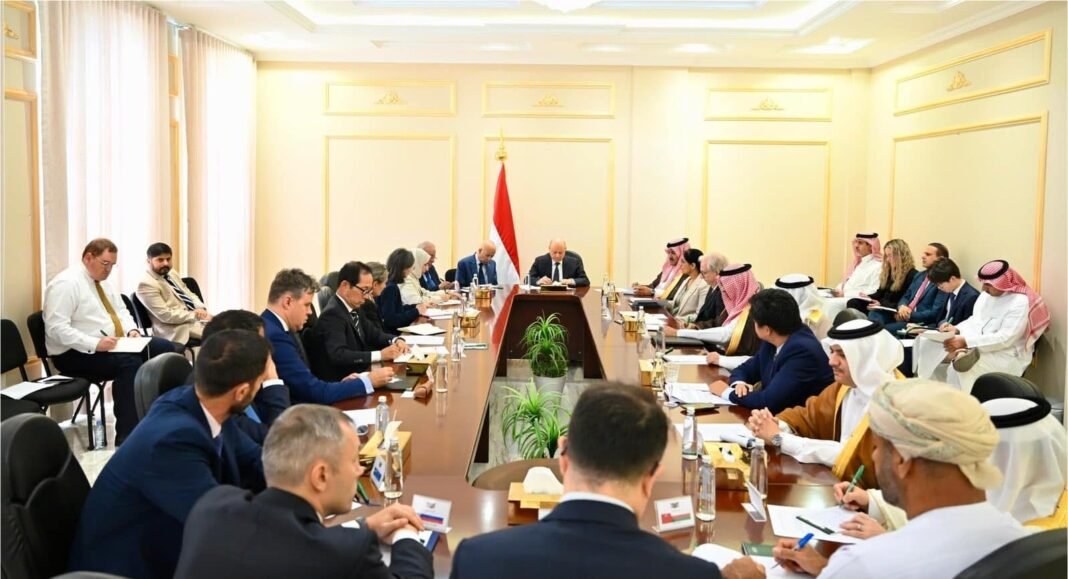
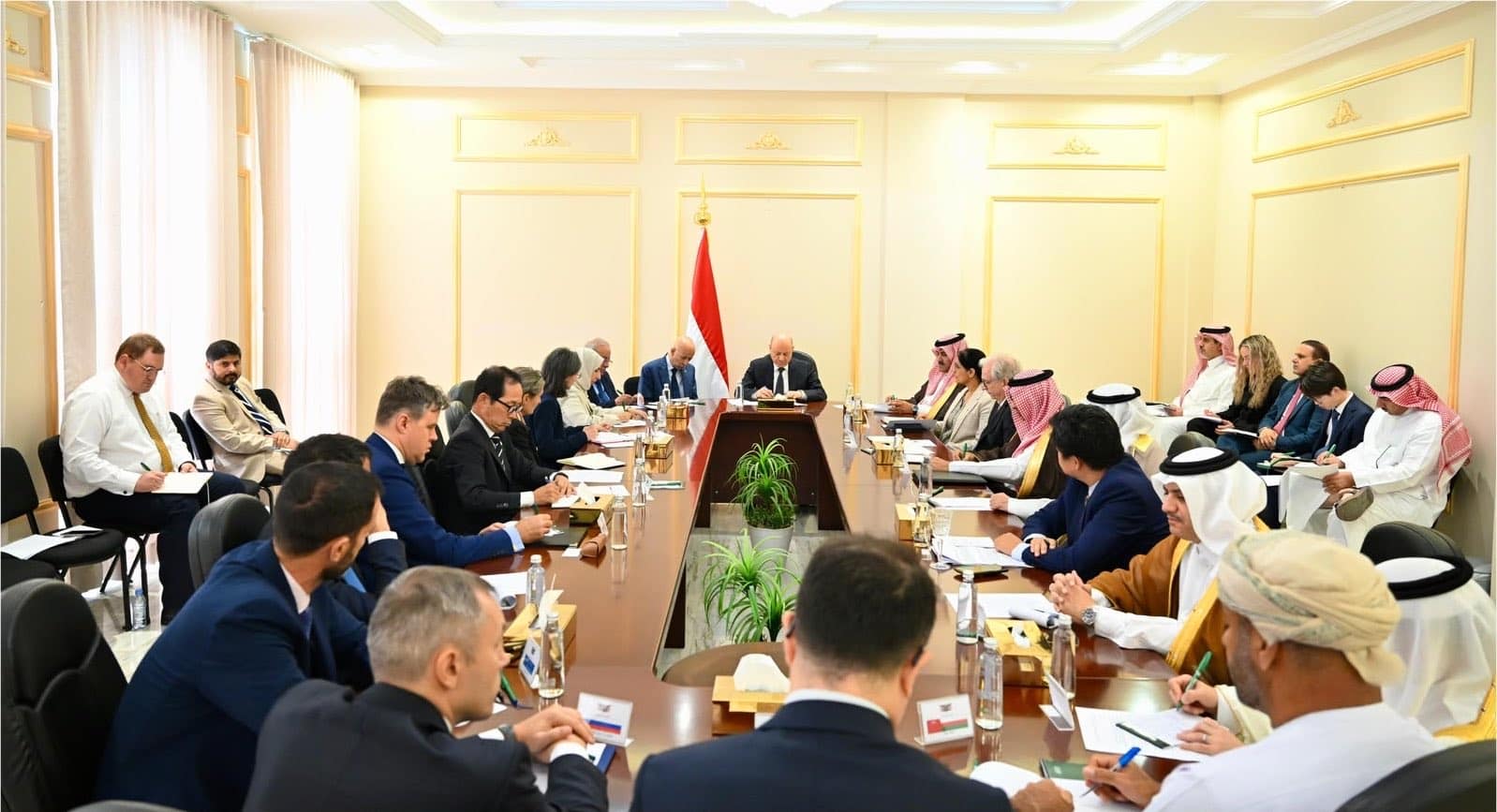
The official readout frames the trip as Riyadh: Oman in meeting about political process in Yemen on 10 August 2026. The participation of Minister Plenipotentiary Nasser bin Khamis Al Kalbani, Deputy Head of Mission for Non-Resident Accredited Embassies, alongside Dr Rashad Al Alimi, Chairman of Yemen’s Presidential Leadership Council, signals a renewed effort to advance the stalled political process within Yemen. This engagement, held at the Yemeni Embassy in Riyadh, reflects ongoing diplomatic activity aimed at resolving the country’s protracted conflict—a matter of significant regional instability.
Background
The meeting occurred through the Embassy of the Sultanate of Oman to the Kingdom of Saudi Arabia in Riyadh. This represents a continuation of diplomatic efforts involving multiple countries supporting Yemen’s political process, as outlined by previous statements regarding cooperation to restore freedom of navigation in the Strait of Hormuz and condemn repeated attacks on vessels within that waterway. Recent statements from the Ministry of Foreign Affairs further highlight Oman’s involvement in addressing escalatory tensions in the Red Sea and its call for a new Gulf security policy.
Analysis
The presence of Dr Rashad Al Alimi, Chairman of Yemen’s Presidential Leadership Council, suggests a prioritization of engagement with the recognized authority within Yemen. The meeting’s location at the Yemeni Embassy indicates a degree of operational autonomy, potentially reflecting sensitivities surrounding direct engagement with factions within the conflict zone. This activity takes place amidst growing regional instability – Oman has recently issued statements condemning drone attacks on Saudi Arabia and stressing the need to avoid escalation in the Red Sea.
Implications
The meeting’s success, should it yield a resumption of negotiations, would have considerable implications for regional stability. A revived political process in Yemen could reduce the risk of further conflict and potentially influence broader security dynamics within the Gulf. The continued involvement of Oman highlights its strategic importance as a facilitator – though the extent of Omani influence remains largely unstated. Trade and security considerations relating to the Strait of Hormuz would also be affected.
Outlook
Should the visit yield positive outcomes, Oman’s role will likely remain focused on facilitating dialogue between key stakeholders. If the meeting does not lead to a tangible advancement in the political process, this suggests continued challenges surrounding Yemen’s fractured governance and external interference – a scenario that would likely prompt further diplomatic efforts by Oman.
Conclusion
The engagement in Riyadh represents a discrete step within an ongoing effort. The statement does not address whether this meeting will translate into concrete steps toward resolving the Yemeni conflict, leaving open a critical question regarding Oman’s capacity to shape regional outcomes.