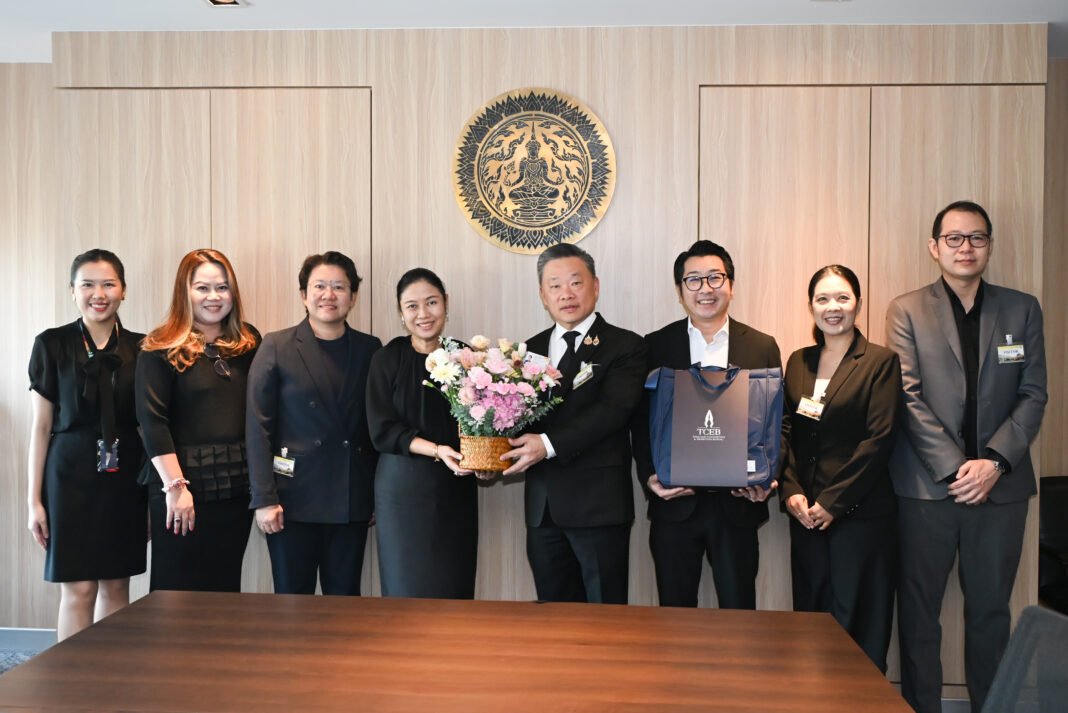
In a published statement ahead of the visit, On 10 August 2026, Ms. Jaithai Upakarnitikaset, Director-General of the Department of Information, welcomed and held discussions with executives of the Thailand Convention and Exhibition Bureau (TCEB), led by Mr. Salanroj Sutaschuto, Senior Vice President of TCEB. This meeting, focused on cooperation to promote Thailand as a destination for international meetings, incentives, conferences and exhibitions (MICE), highlights a key element of the Ministry’s broader strategy. The statement does not address the specific economic targets driving this collaboration – namely stimulating the economy and distributing income to local communities.
Background
The 20-Year “5S” Foreign Affairs Masterplan, outlined within the Ministry of Foreign Affairs’ policy statements, prioritizes economic diplomacy alongside traditional diplomatic objectives. The press release references this overarching plan, indicating that MICE promotion is a strategically aligned component of Thailand’s efforts to enhance its international competitiveness. Furthermore, the Directorate-General of Information Department and TCEB have previously engaged in collaborative initiatives aimed at attracting foreign investment and tourism. The statement does not mention any prior agreements or formal structures governing these interactions.
Analysis
The discussion between the MFA and TCEB reveals a prioritization of economic stimulus within Thailand’s foreign policy framework. Promoting MICE activity is presented as a mechanism to directly influence economic growth, aligning with stated goals of distributing income to local communities. The emphasis on “enhancing Thailand’s image and competitiveness” suggests an awareness that attracting international events requires demonstrating the country’s attractiveness as a destination – a key component of the 5S Masterplan’s ‘S’ for ‘Success’. This approach implicitly acknowledges potential weaknesses in Thailand’s economic diversification, seeking to leverage its existing strengths in tourism and hospitality.
Implications
The focus on MICE presents implications for regional trade and security. Successfully attracting international events can demonstrably increase foreign direct investment and associated technology transfer. Should the visit yield a significant increase in MICE-related activity, it could strengthen Thailand’s position within ASEAN economic forums. The strategy also carries implications for infrastructure development – increased demand for convention centers and related services necessitates ongoing investment. The statement does not address potential competition from other Southeast Asian nations actively pursuing similar MICE tourism strategies.
Outlook
If the collaboration between the MFA and TCEB proves successful in attracting a substantial increase in international MICE events, Thailand’s economic diversification efforts would be demonstrably bolstered. Should this occur, it could create opportunities for further strategic partnerships with international organizations focused on sustainable tourism development. However, if the initiative fails to generate sufficient investment or attract high-value events, the Ministry will face pressure to reassess its approach to economic diplomacy – specifically regarding reliance on convention and exhibition promotion as a key driver of growth.
Conclusion
The meeting between the MFA and TCEB underscores a strategic shift towards leveraging Thailand’s tourism sector for broader economic benefits. The success of this initiative hinges on effectively communicating Thailand’s value proposition to international event organizers – a challenge that remains largely unaddressed within the Ministry’s public statements.