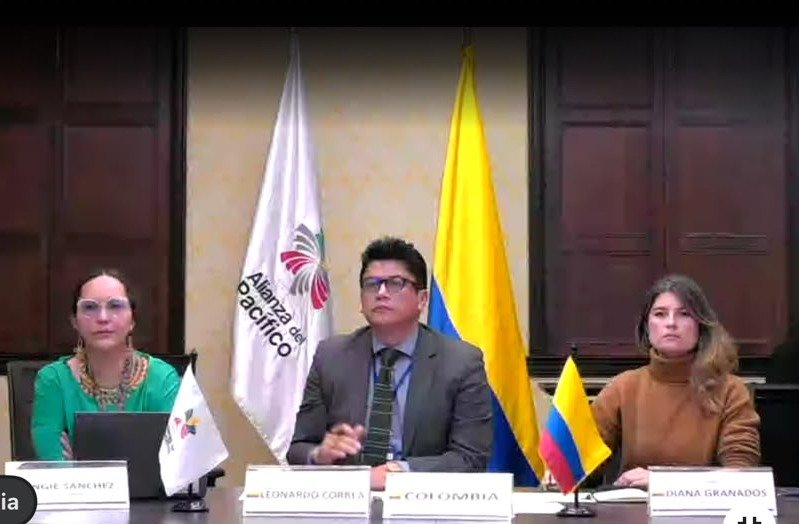
As set out in a formal announcement, Yakarta, August 5th, 2026 – The Association of Southeast Asian Nations (ASEAN) and the Pacific Alliance convened for their twelfth meeting between permanent committees, signaling a renewed commitment to bolster this longstanding partnership through 2031. This event, co-hosted by Mexico as the current Pro Tempore chair of the Pacific Alliance and the Philippines representing ASEAN’s leadership role, underscored a key goal: finalizing a balance sheet of the existing 2021-2026 Work Plan and charting a course for future collaboration. The statement does not mention any specific figures related to trade or investment, but it highlights the strategic importance Colombia places on this alliance.

Background
The ASEAN-Pacific Alliance relationship, spanning 16 years, is rooted in a framework of mutual economic and political interests. This current meeting builds upon previous agreements formalized through the ASEAN 2045 strategic vision and the Pacific Alliance’s Vision 2030, aiming to harmonize development strategies across these distinct regional blocs. The existing Work Plan, established in 2021, has been extended until December 2027 to facilitate the execution of remaining activities – a pragmatic decision reflecting the complexities of coordinating diverse national priorities.
Analysis
Colombia’s participation, represented by Coordinators Correa and Chacón, reflects a calculated strategy. The statement does not detail Colombia’s specific motivations for prioritizing this alliance, but it reveals a focus on economic diversification – particularly in the digital economy – aligning with the ASEAN’s “ASEAN 2045” roadmap. The active engagement in areas like micro-tourism initiatives, gender equality programs, and technical assistance for SMEs demonstrates an attempt to leverage the alliance’s resources to address Colombia’s own developmental challenges regarding youth employment and competitiveness. The prioritization of collaborative projects – such as webinars on waste management and digital skills training – suggests a desire to build tangible outcomes rather than simply pursuing broad diplomatic engagement.
The emphasis on “synergies” between ASEAN 2045 and the Pacific Alliance’s Vision 2030 indicates an awareness of distinct trajectories. Tailandia’s receptiveness to Colombia’s proposed priorities, particularly regarding youth employability and digital skills, suggests a willingness to adapt its own strategy to align with the alliance’s agenda. This collaborative approach is crucial given the differing levels of economic development between the two blocs – the Pacific Alliance being largely comprised of resource-rich nations while ASEAN represents a diverse range of economies.
Implications
This extended Work Plan carries significant implications for regional stability. The formal extension to 2027 provides a longer timeframe for achieving consensus on the new 2027-2031 plan, potentially mitigating the risk of disruptions caused by shifting political priorities within either bloc. The stated intent to prioritize “concrete, viable” actions over simply increasing the number of activities is noteworthy – suggesting a desire for demonstrable results and avoiding unproductive bureaucratic processes. Should the visit yield further alignment on digital economy strategies, it could strengthen trade ties between Colombia and key ASEAN members.
Outlook
If Mexico successfully navigates the complexities of drafting a new Work Plan by 2027, incorporating Thailand’s expressed interests – particularly regarding skills development – the alliance will have demonstrated a capacity for strategic adaptation. Should Colombia secure a firm commitment from ASEAN to prioritize digital economy cooperation, it could unlock significant investment opportunities and foster innovation within the Colombian tech sector. The planned September webinars on waste management and sustainable agriculture represent initial steps in this direction.
Conclusion
The formal extension of the existing Work Plan until 2027 underscores a commitment to continuity, yet leaves open the fundamental question: can Colombia and its partners translate this extended timeframe into genuinely transformative outcomes for economic development within the Pacific Alliance region?