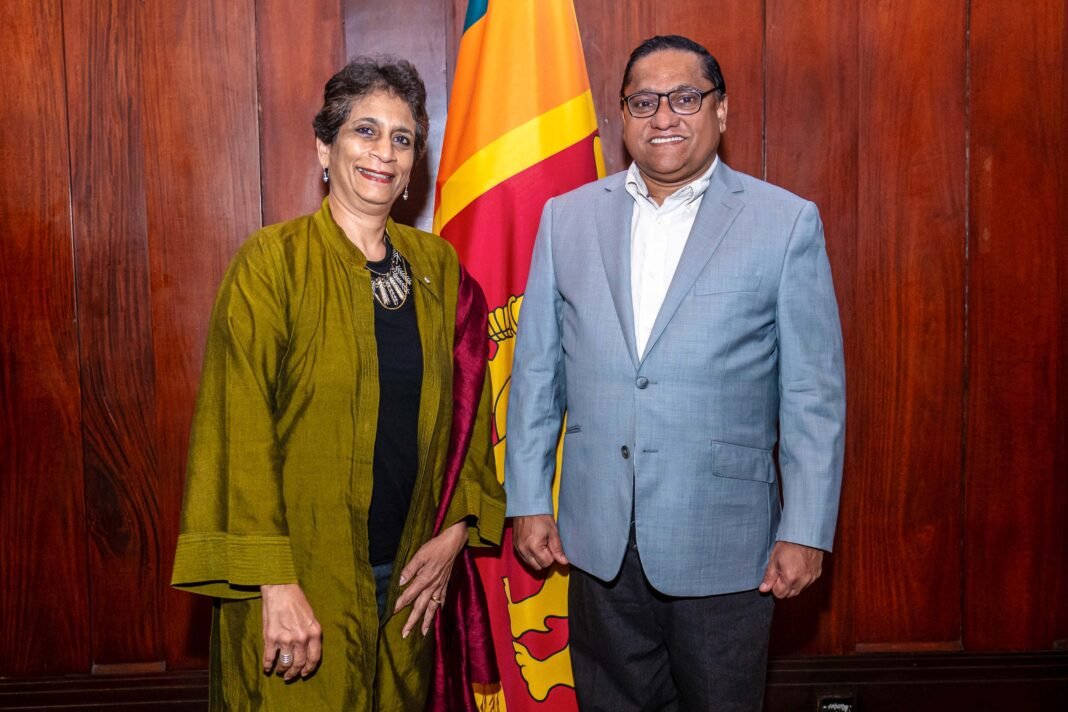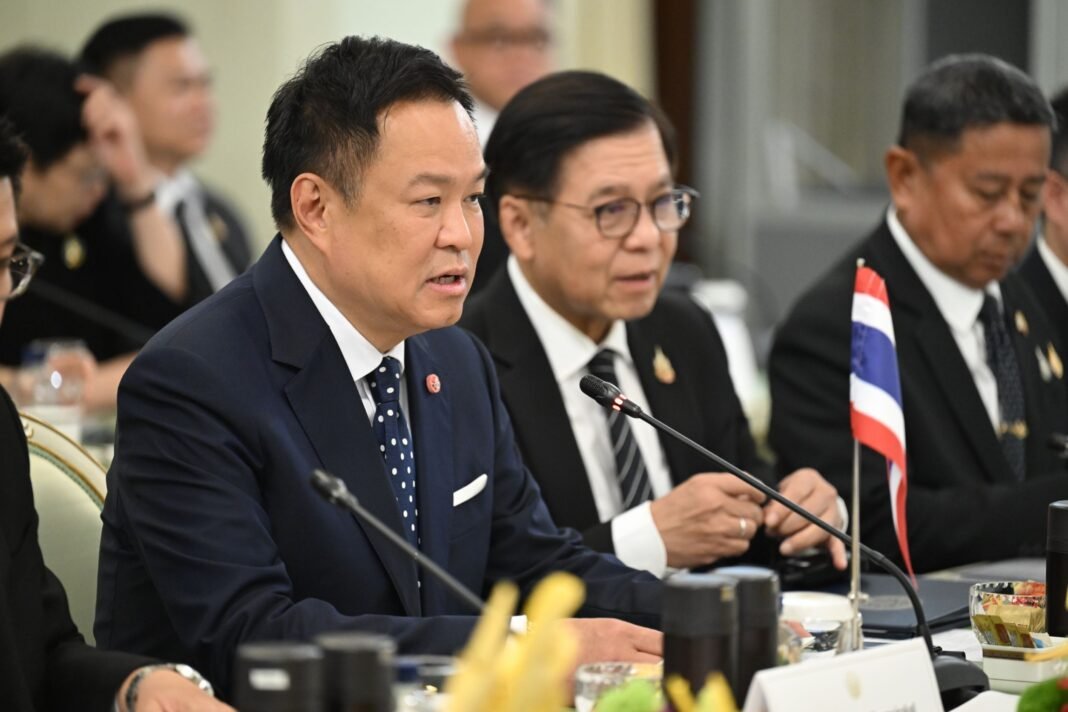
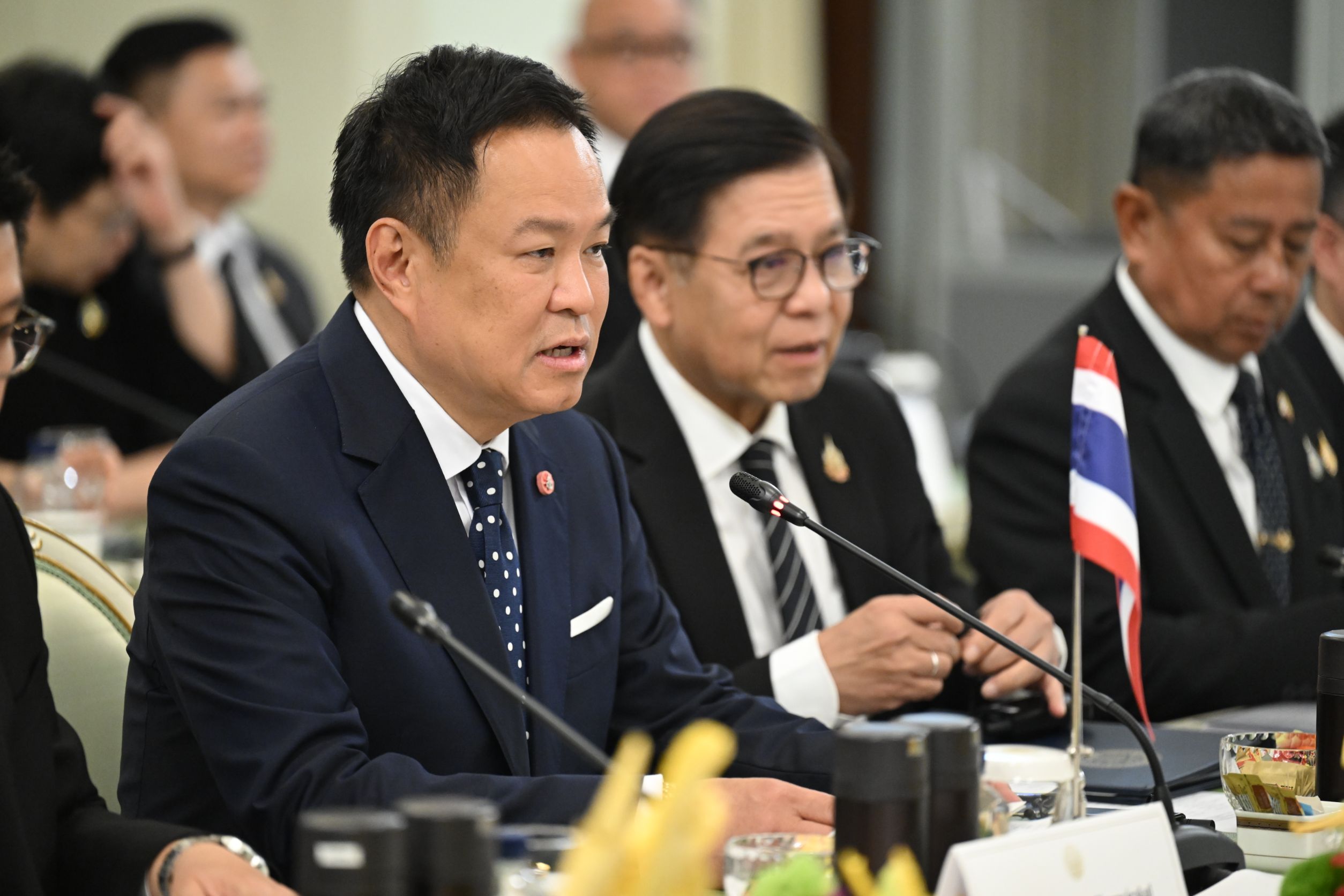
In a published statement ahead of the visit, On 6 August 2026, H.E. Mr. Sihasak Phuangketkeow, Deputy Prime Minister and Minister of Foreign Affairs, joined the meeting between H.E. Mr. Anutin Charnvirakul, Prime Minister, and H.E. U Min Aung Hlaing, President of the Republic of the Union of Myanmar, during the latter’s Official Visit to Thailand. The statement does not mention any specific outcomes from the meeting. This event marks a continuation of diplomatic engagement between Bangkok and Naypyidaw following previous discussions. The Prime Minister underscored the importance of enhancing cooperation on border security, combating transnational crime, addressing transboundary haze and water pollution, as well as advancing economic cooperation and energy security. He also reaffirmed Thailand’s commitment to building bridges between Myanmar and ASEAN and supporting the peace process in Myanmar. This underscores a prioritization of immediate, practical concerns given the continued instability within Myanmar.
Background
The statement does not mention the 20-Year “5S” Foreign Affairs Masterplan; however, it reflects ongoing efforts aligned with Thailand’s long-term strategic goals for regional engagement. The meeting occurred within the context of previous diplomatic interactions between Thai and Myanmar officials, primarily focused on maintaining stability along the shared border. The statement does not detail any formal agreements reached during the session but highlights key areas of mutual interest identified by both parties. This signals a shift in emphasis towards concrete deliverables rather than broader political resolutions.
Analysis
The Prime Minister’s articulated priorities – border security, crime, pollution, and energy – represent a pragmatic response to the demonstrable challenges posed by the ongoing conflict within Myanmar. These concerns are acutely felt on Thailand’s western frontier, where instability directly impacts economic activity and public safety. The reiteration of support for ASEAN’s peace process indicates a continued commitment to regional integration, albeit framed through the lens of immediate security needs. If implemented as described, this signals an attempt to leverage Thailand’s position within ASEAN to exert influence on Myanmar’s internal dynamics – a delicate balancing act given Myanmar’s sovereignty. The statement does not address potential tensions between Thailand’s desire for stability and Myanmar’s own political trajectory.
Implications
For policymakers, the renewed focus on border security suggests a need for increased investment in surveillance technology and personnel along the Thai-Myanmar frontier. Should the visit yield any concrete results regarding joint operations against transnational crime, it would represent a significant step towards mitigating regional security risks. The emphasis on energy cooperation could stimulate investments in renewable energy projects within Myanmar, contingent upon political stability. This underscores Thailand’s commitment to bolstering economic links with its neighbor – however, the statement does not address potential vulnerabilities related to trade routes or supply chains.
Outlook
If the Prime Minister’s engagement proves successful in facilitating improved border controls and addressing transboundary environmental issues, it would represent a positive development for regional stability. Should the visit yield no tangible outcomes regarding security cooperation, Thailand’s approach risks being perceived as prioritizing short-term tactical gains over long-term strategic objectives within Myanmar. The statement does not address whether this renewed focus will influence Thailand’s broader policy towards ASEAN or its commitment to supporting the peace process in Myanmar; continued engagement remains conditional on demonstrable progress on these fronts.
Conclusion
The meeting’s emphasis on immediate security concerns reflects a cautious approach to a complex situation. The Thai government’s actions now define the parameters of any future dialogue with Myanmar—a question remaining open regarding the long-term implications for regional stability and the prospects for genuine reconciliation.