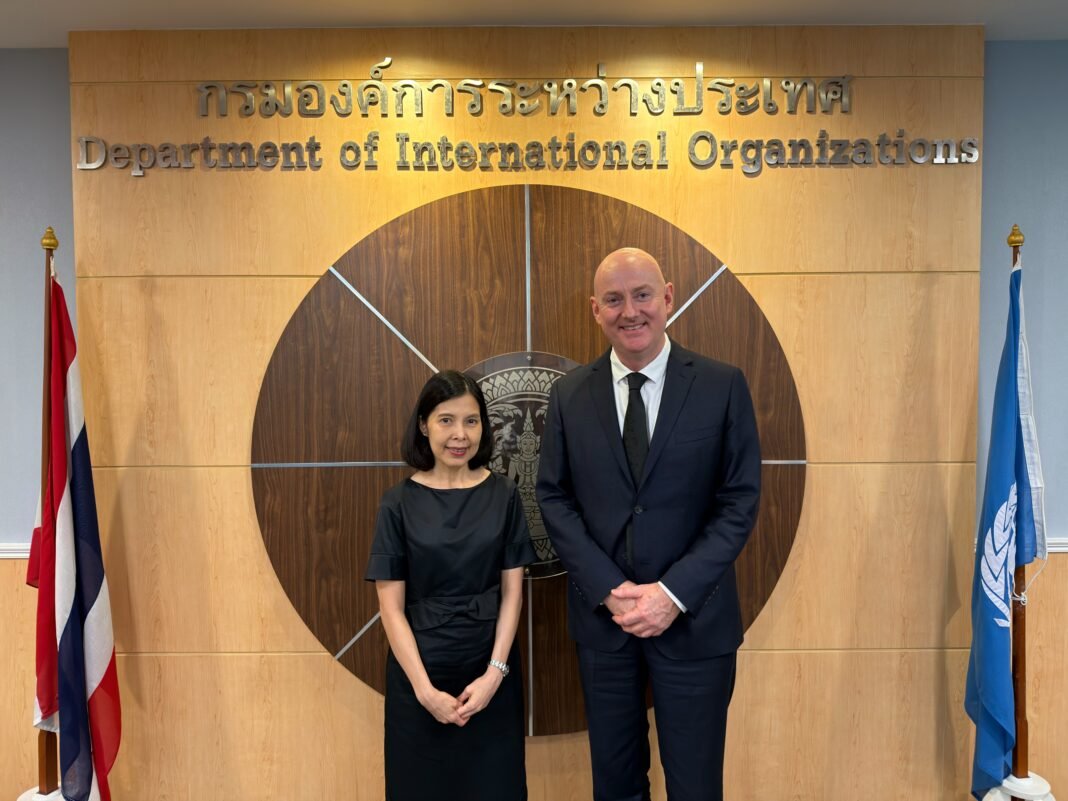
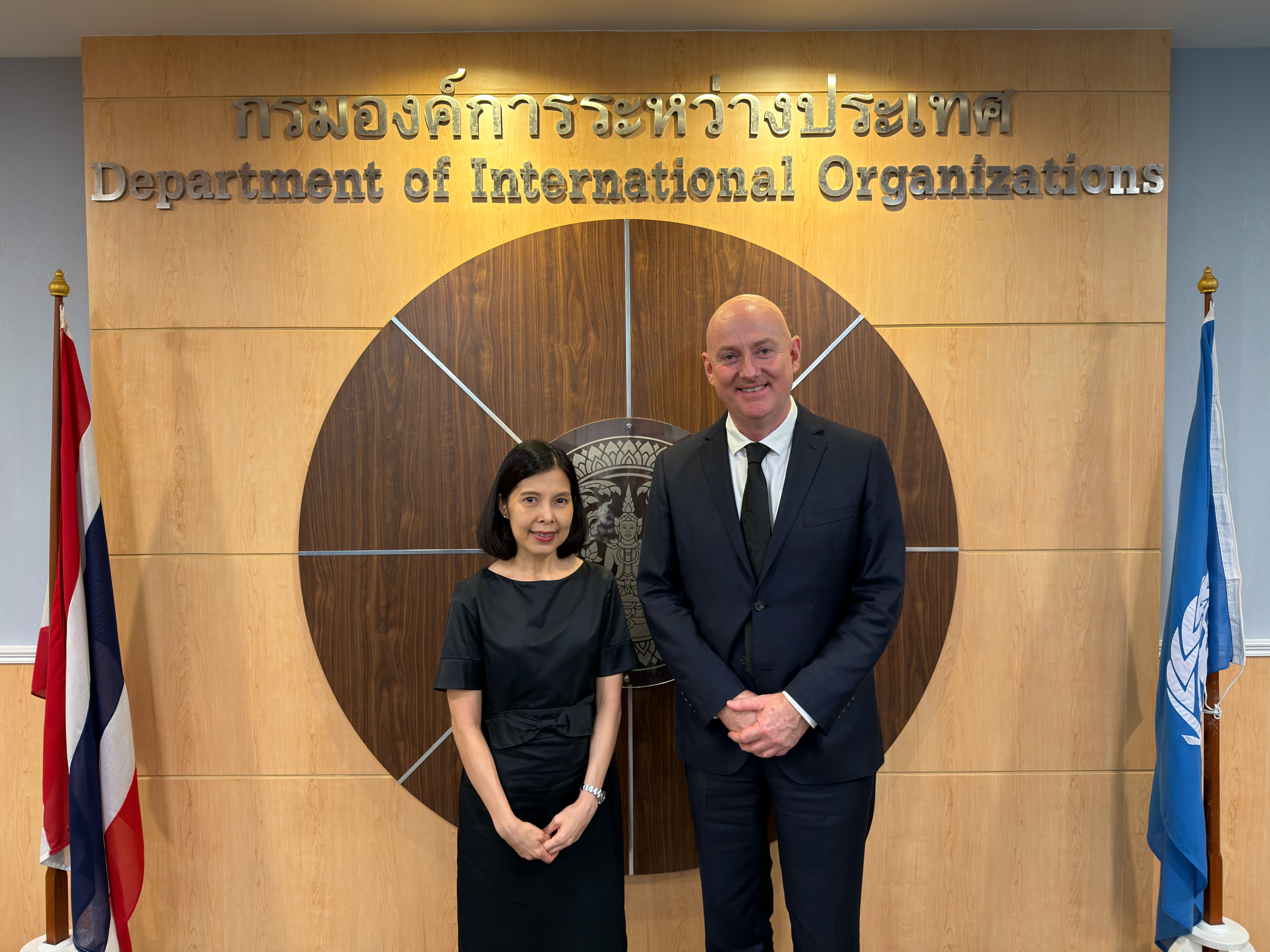
Per the government announcement, The Thai Ministry of Foreign Affairs announced on August 5th, 2026, that Director-General Pinsuda Jayanama met with Mr. Ben Reeves, Co-Manager (Australia) of the Regional Support Office of the Bali Process (RSO), following Reeves’ assumption of duty. This engagement matters because it signals a renewed focus within Thailand’s foreign policy apparatus on combating transnational crime – specifically, online scams – a persistent and increasingly lucrative threat impacting international trade and security. The alignment with the Bali Process, established to address people smuggling, trafficking in persons, and related crimes, indicates a broadening of Thailand’s counter-crime initiatives beyond its initial regional scope.
Background: The Bali Process, initiated in 2010, operates under the auspices of the United Nations Office on Drugs and Crime (UNODC). Its core mandate involves facilitating cooperation among Southeast Asian nations to address irregular maritime movement and human trafficking. The RSO’s presence in Thailand, as detailed in this statement, represents a significant operational extension of this framework. Prior meetings between Thai officials and the RSO have largely centered on addressing irregular migration patterns and supporting Thailand’s efforts to combat human smuggling. The establishment of the RSO itself, as noted within the ministry’s 20-Year “5S” Foreign Affairs Masterplan – a strategic roadmap prioritizing security – underscores the growing importance Thailand places on regional security cooperation.
Analysis: This meeting reveals several key incentives for both parties. For Thailand, the engagement represents an opportunity to bolster its international standing in combating transnational crime, particularly online scams, which have become a significant source of illicit revenue and reputational damage. The Thai government’s willingness to allow Myanmar Displaced Persons (MDPs) to work outside temporary shelters – highlighted by Mr. Reeves as a leading policy – suggests a pragmatic approach to managing irregular migration, though the statement does not address the human rights concerns associated with this arrangement. The exploration of co-organizing an event on online scams indicates a prioritization of combating digital crime within Thailand’s security strategy. If implemented as described, this could generate substantial cooperation with the RSO, leveraging Australia’s expertise in law enforcement and intelligence gathering.
Implications: This intensified collaboration has implications for regional stability. Should the possibility of co-organizing an event on online scams materialize, it would signify a strengthened commitment by Thailand to actively participate in international efforts to disrupt criminal networks operating across borders. Furthermore, the focus on combating online scams could potentially influence broader maritime security policies within Southeast Asia. The engagement also raises questions about Thailand’s approach to migrant worker protection – the statement doesn’t address this critical element of the Bali Process’s scope. Increased cooperation with the RSO could strengthen Thailand’s ability to combat human trafficking, but only if aligned with international standards for labor rights and due process.
Outlook: If the visit yields a concrete agreement on co-organizing an event concerning online scams, it would represent a tangible step toward increased operational collaboration between Thailand and the RSO. Should this cooperation remain largely focused on information sharing and technical assistance, as appears to be the case based on the statement, Thailand’s ability to independently address the complex issue of online fraud will likely remain constrained. The Ministry’s exploration of co-organization suggests a potential pathway forward, but hinges heavily on establishing clear protocols for data exchange and joint operations – an area not addressed in this communication.
Conclusion: The meeting between Director-General Jayanama and Mr. Reeves underscores Thailand’s commitment to regional security cooperation, yet the statement remains deliberately circumspect about the ongoing challenges of balancing border control with human rights considerations within its approach to irregular migration.