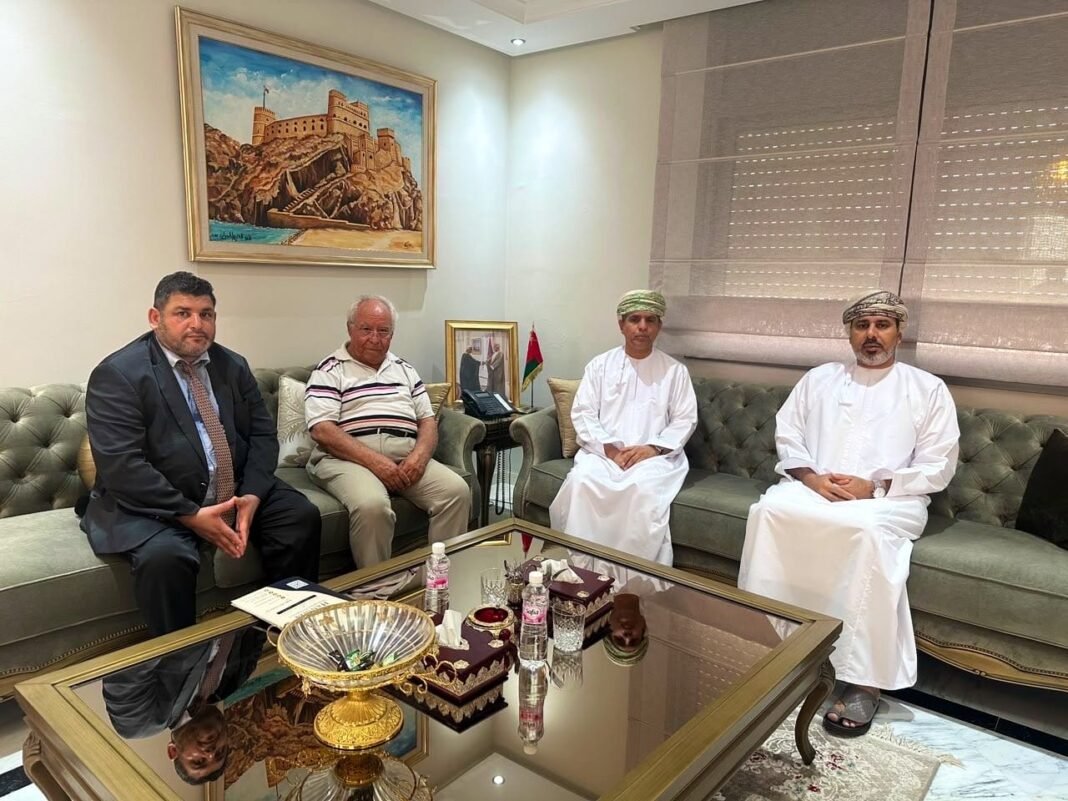
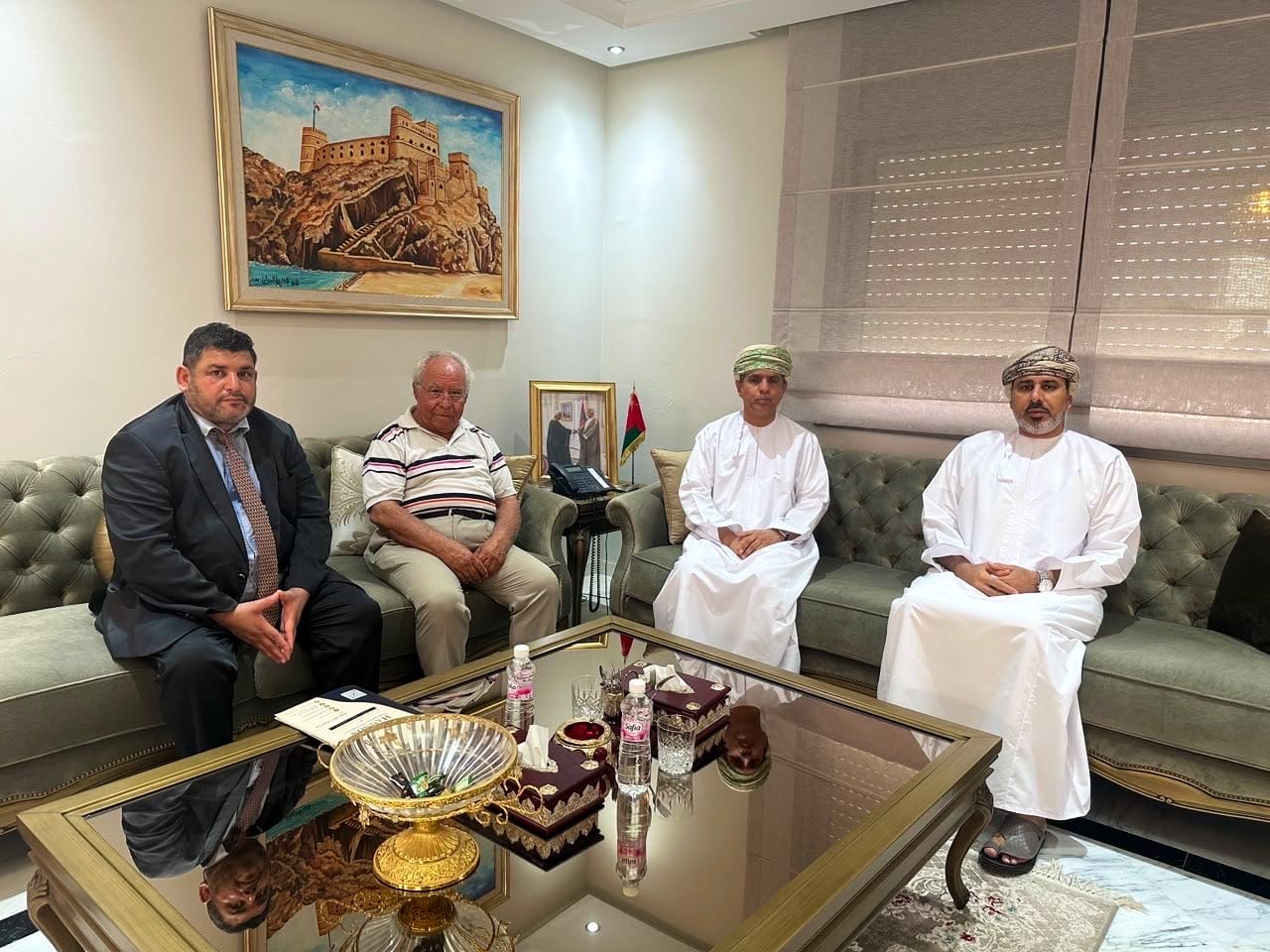
The foreign ministry readout describes Oman’s Ambassador to Tunisia, Hilal Alsanani, met with representatives of Hanoun Global Investments and Tanit World on 4 August 2026 to discuss investment opportunities within the Sultanate. The statement does not address the volume or specific sectors targeted by these investments. This event underscores Oman’s continued efforts to attract foreign capital as it grapples with fluctuating oil prices and a need to broaden its economic base. The meeting’s focus on Tunisia, alongside recent discussions with Sri Lanka and political consultations, reveals a deliberate strategy of engaging with regional partners despite ongoing instability.
Background
Prior to this meeting, Oman held political consultations with Sri Lanka on 3 August 2026. Furthermore, the Ministry of Foreign Affairs issued a statement on 27 July 2026 condemning drone attacks on Saudi Arabia and stressed the need to avoid escalation in the Red Sea on 23 July 2026. These engagements reflect Oman’s position as a mediator within the Gulf region and its commitment to maintaining stability amidst heightened tensions.
Analysis
The focus on investment opportunities suggests Oman is prioritizing economic diversification, though the statement does not address specific sectors of interest. The engagement with Tunisian companies indicates an assessment of potential markets beyond traditional partners. This reflects a calculated risk-taking approach, particularly given recent diplomatic interventions concerning regional security – notably the reaffirmation of cooperation to restore freedom of navigation in the Strait of Hormuz on 14 July 2026 and the call for a new Gulf security policy by the Minister on 14 July 2026. The meeting’s participants, Hanoun Global Investments and Tanit World, represent investment entities with interests spanning various sectors; however, the statement does not reveal which industries are being considered.
Implications
The pursuit of Tunisian investment carries implications for Oman’s economic strategy. Should these investments materialize as described, it could alleviate some pressure on state finances. The ongoing diplomatic activity suggests a desire to maintain influence within the region and potentially shape responses to regional crises. The statement does not address how these engagements might impact Oman’s relationships with other key partners, such as Saudi Arabia or Iran.
Outlook
If the visit yields positive results regarding investment agreements, it could bolster Oman’s economic outlook—if the terms are commercially favorable. Should the Ambassador’s efforts to attract foreign capital prove unsuccessful, it would necessitate a reassessment of Oman’s diversification strategy. The statement does not provide any indication of timelines or anticipated milestones for these potential investments.
Conclusion
The meeting in Tunis represents another step in Oman’s complex balancing act – pursuing economic growth while navigating regional instability. The ultimate success of this diplomatic effort, and its broader implications for Oman’s strategic positioning, remains to be seen.