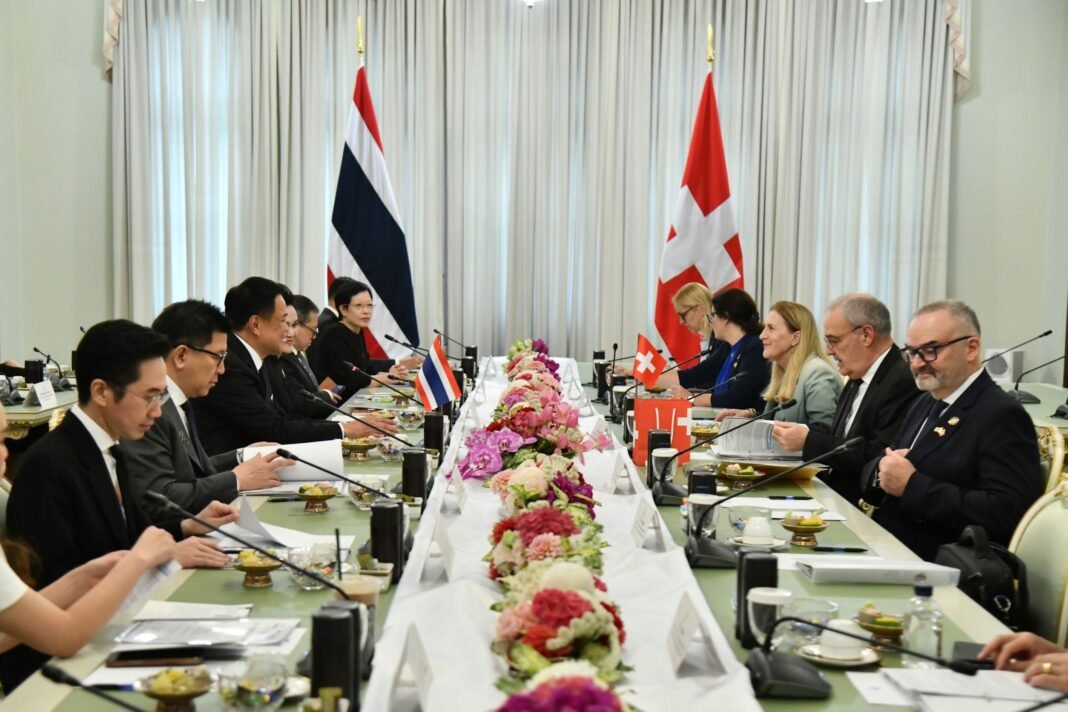
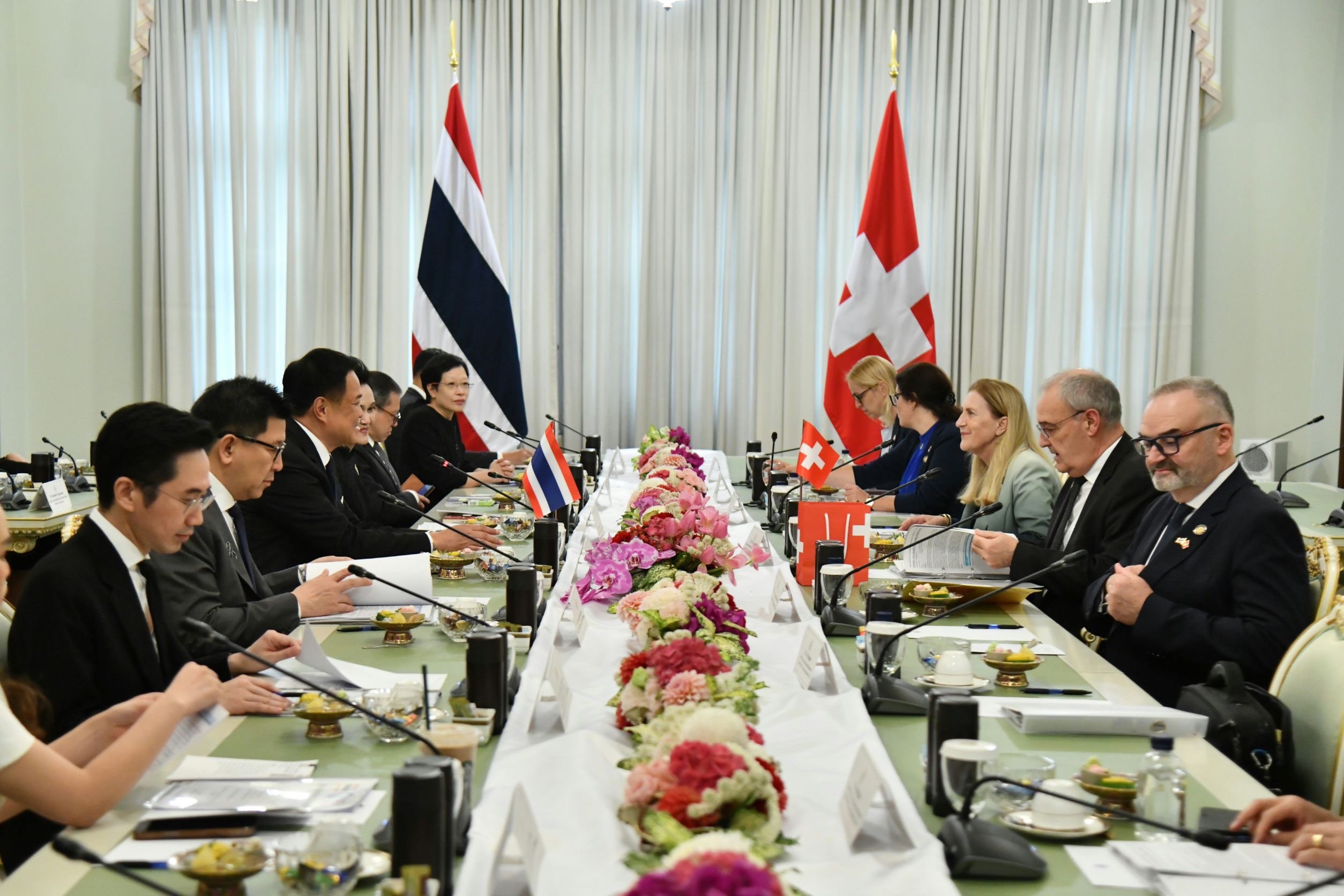
A ministry communiqué confirms that The Thai Prime Minister hosted H.E. Mr. Guy Parmelin, President of the Swiss Confederation, on 15 October 2026, as part of a visit focused on strengthening bilateral relations and expanding cooperation in key sectors. This event matters because it marks the first official visit by a head of state to Thailand since the beginning of 2026, a period characterized by evolving regional dynamics and a renewed focus on strategic partnerships. The statement does not mention the broader geopolitical context surrounding Thailand’s relationships with European nations.
Background: The 20-Year “5S” Foreign Affairs Masterplan, outlined by the Ministry of Foreign Affairs, prioritizes “S” – Security, Stability, Sustainability, and Service – as guiding principles for Thailand’s international engagement. Prior to this visit, the Ministry of Foreign Affairs had already announced a series of high-level meetings throughout 2026 aimed at solidifying trade agreements and fostering technological collaboration. The 95th anniversary of diplomatic relations between Thailand and Switzerland, occurring this year, provides a symbolic backdrop to the discussions. The statement does not mention the 14 October 2026 announcement of the Swiss President’s visit, which was previously reported.
Analysis: The Thai government’s stated objectives – trade, investment, innovation, and the green transition – align with Switzerland’s strengths as a global leader in these areas. The focus on “high-value industries” and “advanced technologies” suggests a deliberate effort to attract foreign investment and diversify Thailand’s economy. The inclusion of the Swiss business delegation underscores the government’s desire to facilitate direct engagement between Thai and Swiss companies. The potential for a USD 120 million carbon credit scheme, however, raises questions about the transparency and accountability of environmental projects within Thailand. The statement does not address the potential regulatory hurdles or the criteria for selecting projects to receive funding.
Implications: For policymakers, the visit signals a commitment to leveraging international partnerships to achieve Thailand’s economic development goals. Should the visit yield a successful agreement on the carbon credit scheme, it could attract further investment in renewable energy and contribute to Thailand’s efforts to meet its climate commitments. Regionally, the strengthened ties with Switzerland could provide Thailand with a valuable diplomatic platform, particularly within the context of evolving relationships with the European Union. The trade agreement with the European Free Trade Association (EFTA) – currently in its early stages of implementation – is central to this strategy. The visit could also influence Thailand’s approach to multilateral engagements, particularly within the framework of the International Monetary Fund and the World Bank Group.
Outlook: If the authorization of the carbon credit projects proceeds smoothly through both governments, the USD 120 million investment could represent a significant catalyst for green technology development in Thailand. Should the initial discussions on the EFTA Free Trade Agreement progress as anticipated, it could lead to increased trade flows between Thailand and Switzerland. The Ministry of Foreign Affairs has not indicated a timeline for the approval of the carbon credit projects. The success of this visit hinges on the ability of both countries to overcome potential bureaucratic obstacles and establish a clear framework for collaboration.
Conclusion: The Prime Minister’s welcome of the Swiss President reflects a strategic effort to diversify Thailand’s economic partnerships and accelerate its transition to a more sustainable economy. However, the success of this initiative, particularly the carbon credit scheme, remains contingent on the effective implementation of agreed-upon projects and the establishment of robust governance mechanisms. The long-term impact of this visit will ultimately depend on Thailand’s ability to translate diplomatic engagement into tangible economic benefits.
Sources & Further Reading
- Official press release
- Foreign ministry source
- President of the Swiss Confederation to pay an official visit to Thailand as Guest of the Royal Thai Government during 15 – 17 October 2026 (14 Oct 202)
- Deputy Prime Minister and Minister of Foreign Affairs to pay official visit to Lao PDR (30 Sep 202)
- Advisor to Foreign Minister visits Kuwait to strengthen investment and development cooperation (24 Sep 202)