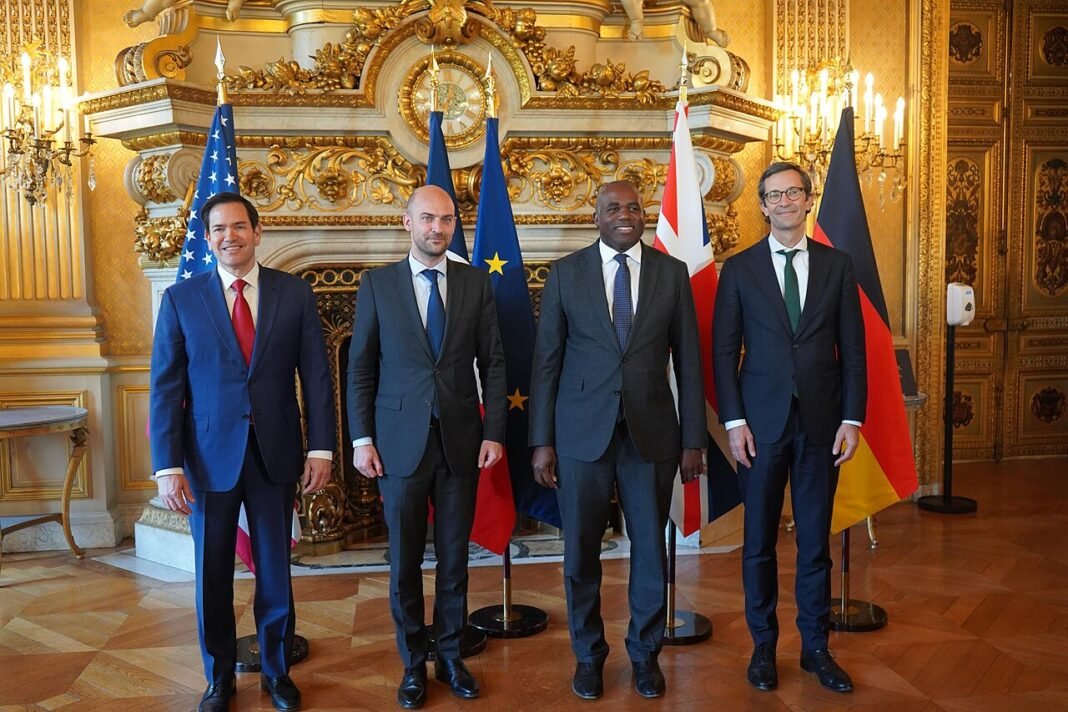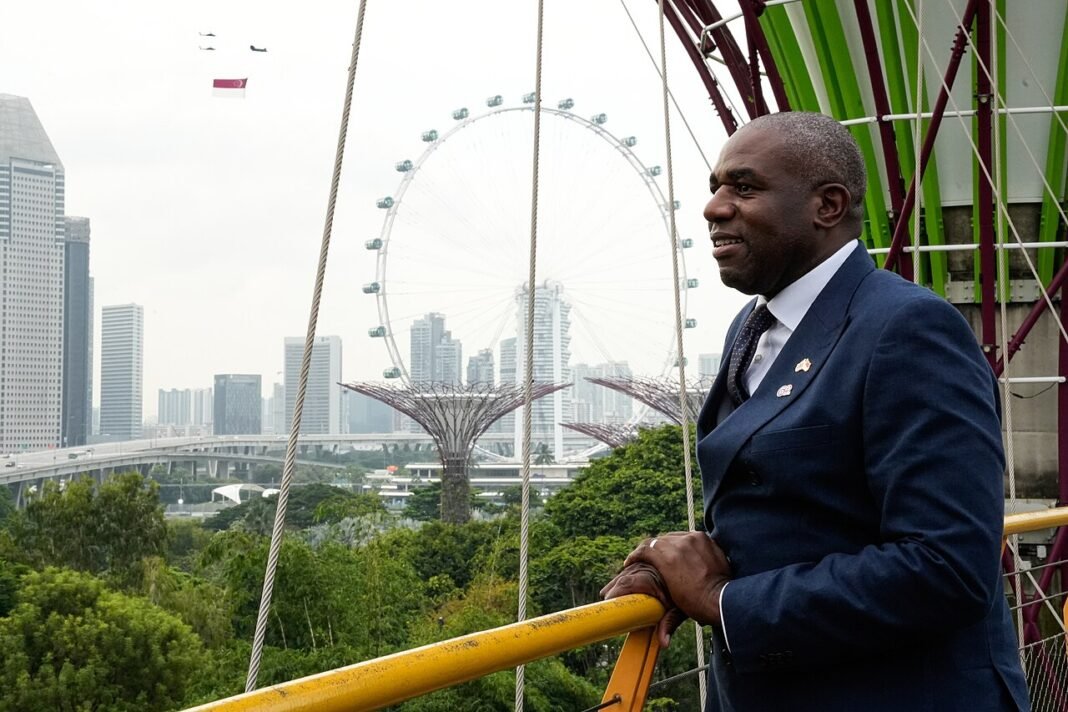
The visit by Senior Minister Lee Hsien Loong to Uzbekistan from August 27th to 31st represents a concerted effort to translate diplomatic overtures into tangible economic partnerships. The most immediate consequence of the trip, as stated in the Ministry of Foreign Affairs press release, is the formalization of intent to negotiate a Free Trade Agreement (FTA) between Singapore and Uzbekistan. This action, witnessed by key ministers on August 28th, establishes a clear pathway for reducing trade barriers and fostering greater commercial linkages between the two nations. The statement does not address the potential volume or scope of trade envisioned under this FTA. — the full statement has further detail.

Background
Singapore’s interest in Uzbekistan aligns with a broader trend of engagement within Central Asia, driven by the country’s strategic location and growing economic ambitions. Prior statements by the Ministry of Foreign Affairs, specifically referencing visits by Minister for Foreign Affairs Dr Vivian Balakrishnan to Palau (September 1st, 2026) and subsequent engagements in Indonesia (September 2nd, 2026), demonstrate a sustained commitment to strengthening diplomatic ties across the region. These earlier engagements focused on climate-smart investment dialogue and collaborative security initiatives – areas that now appear to be interwoven within the framework of this Uzbekistan visit. The statement does not mention any prior meetings between Singaporean and Uzbek officials directly related to FTA negotiations.
Analysis
The immediate impetus for this FTA discussion appears to be a mutual desire to diversify trade relationships beyond traditional partners. For Singapore, the potential benefits include access to Central Asia’s growing markets and resources. Uzbekistan, similarly, seeks to attract foreign investment and integrate itself further into global supply chains. The planned US$100 million agribusiness facility, witnessed during Senior Minister Lee’s visit, represents a key element of this strategy – leveraging Singaporean expertise in agricultural technology and management. However, the statement does not offer insight into Uzbekistan’s motivations for pursuing an FTA with Singapore, nor does it detail potential areas of contention or negotiation challenges. The signing of the Joint Statement and MOU on Investment suggest a willingness to engage, but the process will undoubtedly be influenced by differing levels of economic development and regulatory frameworks.
Implications
This engagement has implications for regional stability within Central Asia. Uzbekistan’s increasing openness to foreign investment could reshape geopolitical dynamics, potentially attracting other Western nations. Should Singapore successfully establish an FTA, it would represent a significant step in integrating itself into the broader Eurasian economic zone – a move that could alter trade flows and investment patterns. The planned agribusiness facility, if realized as described, could have implications for agricultural production and supply chains across Central Asia. The statement does not address potential security considerations related to increased foreign investment or trade activity.
Outlook
If the negotiations on the FTA proceed smoothly, a framework agreement could be reached within 18-24 months, contingent upon Uzbekistan’s legislative and regulatory approvals. Should Singapore secure favorable terms in the FTA – including access to Uzbek markets and investment protections – it would represent a significant strategic gain. However, if disagreements arise over issues such as intellectual property rights or labor standards, the negotiations could stall or even collapse. The visit by Senior Minister Lee does not signal a guarantee of any specific outcome.
Conclusion
The Uzbekistan visit underscores Singapore’s commitment to deepening its economic ties with Central Asia, but the ultimate success of these efforts remains contingent on navigating complex political and regulatory landscapes. The question remains whether a robust FTA can truly unlock the potential for mutually beneficial trade and investment between the two nations.
Sources & Further Reading
- Official press release
- Foreign ministry source
- 1 September 2026Visit By Minister for Foreign Affairs Dr Vivian Balakrishnan to the Republic of Palau for the 55th Pacific Islands Forum Leaders Meeting 31 August to 1 September 2026CountryPalauVisit By Minister for Foreign Affairs Dr Vivian Balakrishnan to the Republic of Palau for the 55th Pacific Islands Forum Leaders Meeting 31 August to 1 September 2026Press Statements (1 Septembe)
- 2 September 2026Visit by Minister of State in the Ministry of Foreign Affairs and the Ministry of Home Affairs Zhulkarnain Abdul Rahim to Batam, Indonesia 3 to 4 September 2026CountryIndonesiaVisit by Minister of State in the Ministry of Foreign Affairs and the Ministry of Home Affairs Zhulkarnain Abdul Rahim to Batam, Indonesia 3 to 4 September 2026Press Statements (2 Septembe)
- 2 September 2026Transcript of Remarks by Minister for Foreign Affairs Dr Vivian Balakrishnan at the Leaders Ascent Dialogue on Climate-Smart Investment on the sidelines of the 55th Pacific Islands Forum Leaders Meeting in Koror, Palau, on 1 September 2026CountryPalauTranscript of Remarks by Minister for Foreign Affairs Dr Vivian Balakrishnan at the Leaders Ascent Dialogue on Climate-Smart Investment on the sidelines of the 55th Pacific Islands Forum Leaders Meeting in Koror, Palau, on 1 September 2026Transcripts (2 Septembe)