
In a published statement ahead of the visit, 20 October, 2026
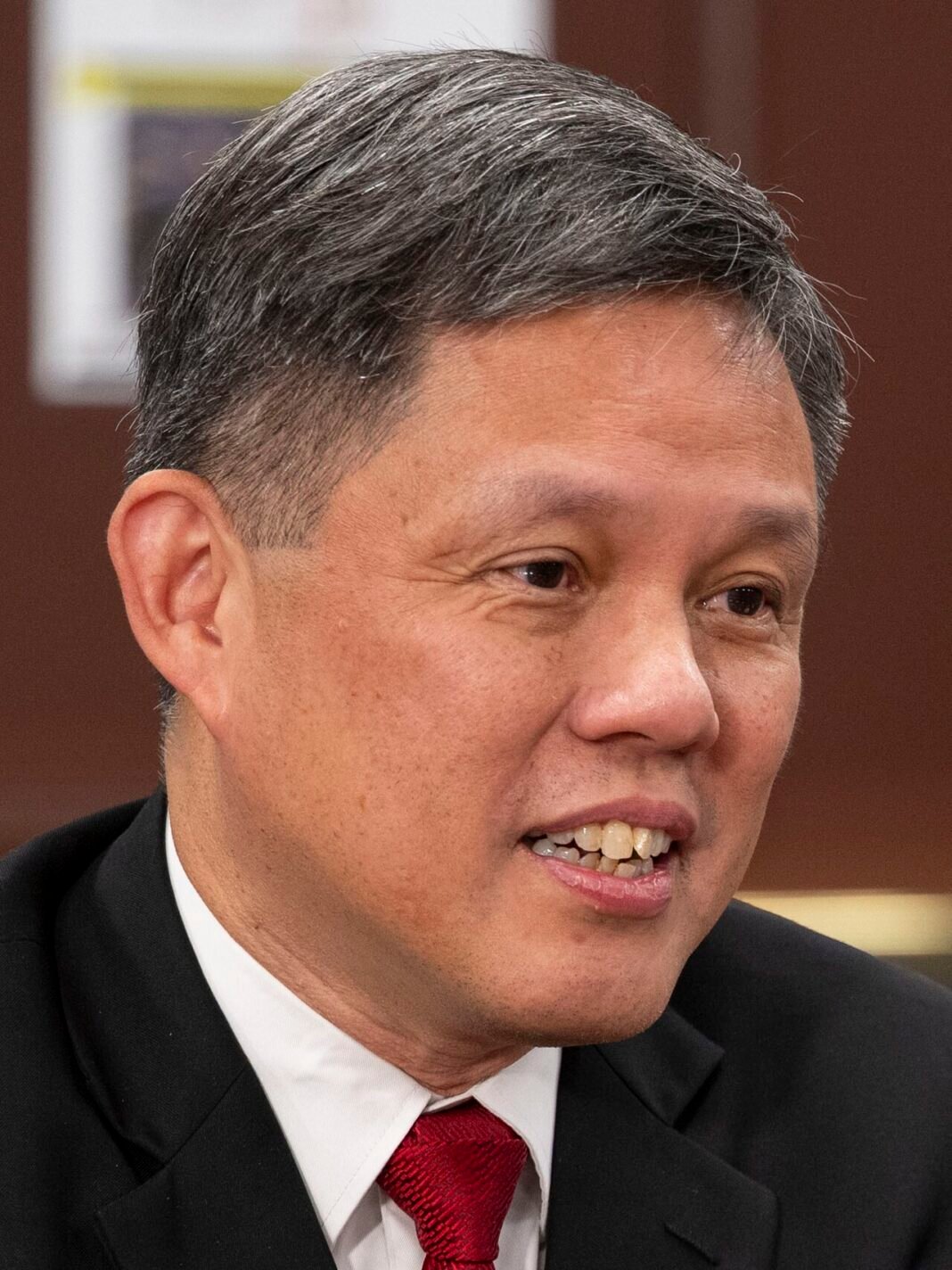
U.S. Secretary of State Marco Rubio visited India from 20–21 October 2026 at the invitation of External Affairs Minister Dr. S. Jaishankar. This was Secretary Rubio’s second visit to India. He previously visited New Delhi in May 2026. The statement does not mention the purpose of the visit beyond strengthening the Comprehensive Global Strategic Partnership.
Background
Prior statements by the Ministry of External Affairs indicate a consistent emphasis on deepening bilateral relations across multiple sectors. In March, the ministry said External Affairs Minister met Canadian Foreign Minister Anita Anand, reviewing efforts to strengthen bilateral relations and advance cooperation across key areas including security and defence. This reflects a pattern of engagement, as evidenced by the 8th India-Kuwait Foreign Office Consultations in September 2026, which similarly underscored the desire to “further deepen the Strategic Partnership” across areas including energy and defence. The 6th India-Qatar Foreign Office Consultations in October 2026 similarly highlighted a shared commitment to reviewing “the entire gamut of bilateral relations,” demonstrating a sustained diplomatic rhythm.
Analysis
The visit, framed as a review of “the entire gamut of India–U.S. relations,” suggests a breadth of concerns underpinning the strategic partnership. The exchange of views on trade, defence, technology, and energy security indicates a prioritization of these areas. The welcome made to the U.S. Freedom 250 Reception highlights the symbolic importance of the relationship, particularly in the context of broader geopolitical considerations. The focus on a Bilateral Trade Agreement (BTA) suggests a continued effort to address trade imbalances and promote economic cooperation. The sustained momentum of high-level exchanges, as underscored by the statement, reflects a shared recognition of the importance of advancing the India-U.S. COMPACT for the 21st century. This suggests a commitment to a long-term, multi-faceted approach.
Implications
The visit’s implications extend beyond the immediate bilateral relationship. The reaffirmed commitment to working towards the BTA, if implemented as described, could accelerate trade flows between the two countries. The discussions on defence and energy security reflect a growing convergence of strategic interests in a region increasingly shaped by geopolitical competition. The focus on regional and global developments suggests a shared interest in addressing challenges such as maritime security and counter-terrorism. Should the visit yield progress on these fronts, it could bolster regional stability and reinforce the India-U.S. alliance.
Outlook
If the negotiations on the BTA continue at the pace indicated, a conclusion could provide a significant boost to bilateral trade. Should the momentum of high-level exchanges continue, it would signal a deepened commitment to the India-U.S. COMPACT. The sustained focus on regional and global developments suggests a proactive approach to addressing shared challenges, contingent on continued diplomatic engagement.
Conclusion
The visit represents another step in a relationship characterized by consistent, if not always rapid, momentum. The continued dialogue regarding trade, defence, and energy security underscores the significant, yet perhaps ultimately incremental, nature of the India-U.S. strategic partnership.