
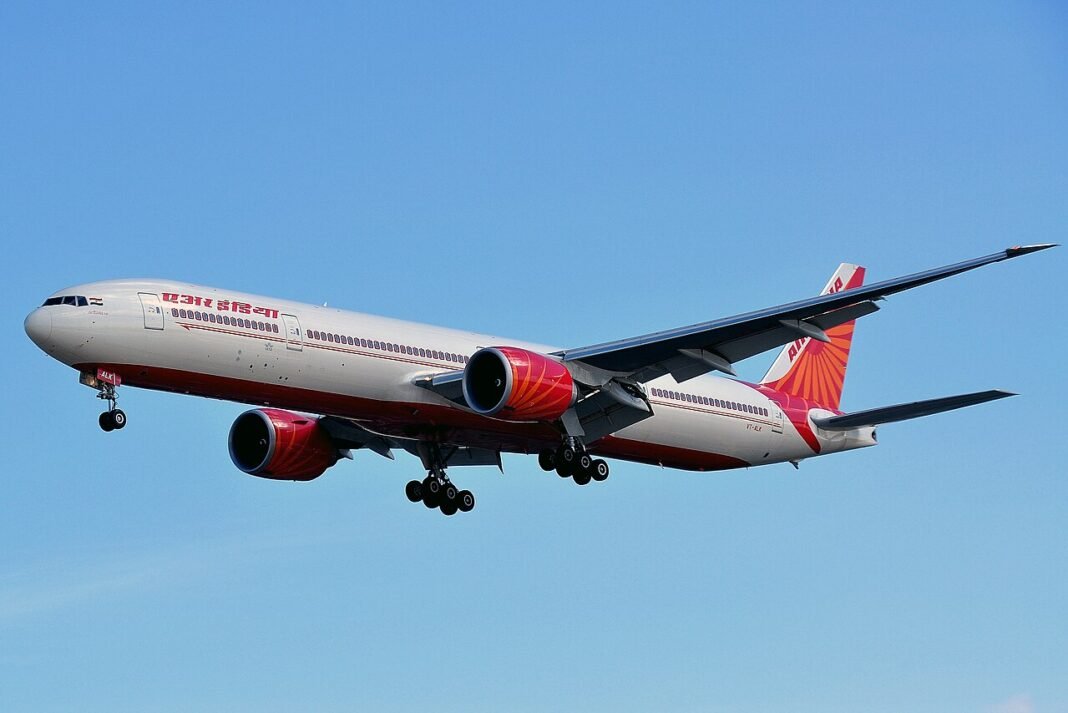
A ministry communiqué confirms that The India-CELAC Foreign Minister’s Meeting, co-chaired by External Affairs Minister Dr. S. Jaishankar and the Minister of Foreign Affairs of Uruguay, Mario Lubetkin, concluded on September 22nd, 2026, in New York. The event, held on the sidelines of the 81st session of the United Nations General Assembly, underscored a significant step in India’s growing engagement with the Latin America & Caribbean region. The statement does not mention the precise number of participants but indicates strong participation from 30 out of 33 CELAC member states, including 16 Foreign Ministers and 5 Vice Ministers, reflecting a broad spectrum of regional interest.

Background
Prior to this meeting, India’s engagement with Latin America has primarily focused on bilateral trade and investment. The Forum for India-Pacific Islands Cooperation (FIPIC) Foreign Ministers’ Meeting, held in New York on September 23rd, 2026, demonstrated a broadening of India’s diplomatic outreach. This latest India-CELAC Troika Meeting builds upon a prior visit by Dr. Jaishankar to New York, USA, for the High Level Week at the 81st Session of the United Nations General Assembly, as outlined in a Ministry statement from September 20th, 2026.
Analysis
The achievement of $50 billion in bilateral trade between India and CELAC by 2025–26, as highlighted in the statement, represents a tangible outcome of existing economic relations. The emphasis on “further growth” suggests a commitment to expanding this trade volume, potentially driven by increasing demand for commodities and manufactured goods. The discussion focused on strengthening trade partnerships while simultaneously addressing “global challenges through multilateralism,” indicating a recognition of the interconnected nature of international affairs. The inclusion of Vice Ministers signals a desire to institutionalize the relationship beyond ministerial-level discussions. The statement does not address the underlying drivers of this trade growth, nor the potential risks associated with over-reliance on trade flows.
Implications
The increased engagement with CELAC has implications for India’s broader foreign policy strategy. The focus on “trade, climate action, renewable energy, digital transformation, health, food security, critical minerals, infrastructure building, space cooperation, agriculture, HADR and Capacity building” suggests a desire to diversify India’s partnerships and leverage CELAC’s resources and expertise. The agreement to establish an “institutional mechanism for reviewing the engagements periodically” indicates a commitment to sustained collaboration. The rapid humanitarian response to earthquakes in Jamaica, Venezuela, and Colombia in 2025 and 2026 demonstrates India’s willingness to provide assistance to its partners, which could strengthen diplomatic ties. The statement does not address the geopolitical implications of this expanded engagement, particularly in the context of rising competition for influence in Latin America.
Outlook
Should the visit yield continued support for India’s initiatives in critical minerals, the government may pursue further investment and technology sharing agreements with CELAC nations. If the institutional mechanism for reviewing engagements proves effective, it could facilitate a more coordinated approach to addressing regional challenges. However, should trade tensions escalate globally, the projected $50 billion trade target could be jeopardized, necessitating a recalibration of India’s trade strategy.
Sources & Further Reading
- Official press release
- Foreign ministry source
- Visit of EAM Dr. S. Jaishankar to New York, USA for the High Level Week at the 81st Session of the United Nations General Assembly (20 Septemb)
- Forum for India-Pacific Islands Cooperation (FIPIC) Foreign Ministers’ Meeting, New York (September 23, 2026) (24 Septemb)
- United Nations


.JPG)