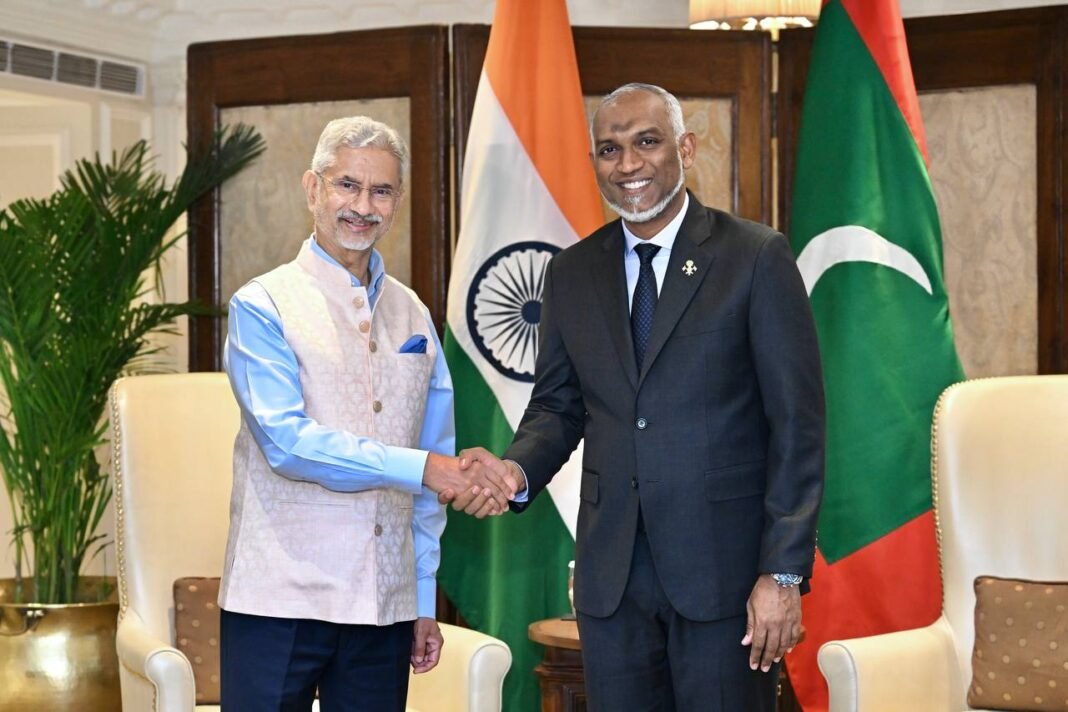

The foreign ministry readout describes
Background
The statement does not mention specific agreements reached during the meeting. However, the visit occurred within the framework of the India-Japan Distinguished Visitors Programme, which has been running since 18 September 2026. The programme facilitates exchanges between Japanese parliamentarians and Indian officials. The delegation, led by Director General Taro Kono of the Liberal Democratic Party’s International Bureau, previously held ministerial roles within Japan, including Defence Minister, Foreign Minister, and Digital Minister. This suggests a continuity of engagement at a high level.
Analysis
The discussions centered on bolstering bilateral ties across several key sectors. The delegation’s interest in India’s deep-tech entrepreneurship and research and innovation ecosystem indicates a recognition of India’s growing technological capabilities. The focus on economic security and supply chain resilience reflects broader global trends driven by geopolitical instability. The statement does not address the potential implications of this partnership for India’s trade agreements or its role within regional economic blocs. The reference to Prime Minister Modi and Prime Minister Takaichi’s directions following the 16th Annual Summit highlights the importance placed on maintaining alignment with established strategic priorities. If implemented as described, this suggests a desire to solidify the India-Japan Special Strategic and Global Partnership.
Implications
The meeting’s emphasis on economic security has implications for India’s broader trade policy, particularly concerning potential vulnerabilities in supply chains. Strengthening economic security partnerships with Japan could influence India’s engagement with other nations, potentially leading to a more cautious approach to trade agreements. The statement does not address the potential impact on India’s manufacturing sector or its ambitions for regional economic leadership. Given the rapid global economic and political churn, this increased engagement could contribute to enhanced stability within the Indo-Pacific region.
Outlook
Should the visit yield further discussions on economic security, India and Japan may explore joint initiatives to diversify supply chains and reduce dependence on single sources. If the delegation’s assessment of India’s economic development proves accurate, it could lead to increased investment opportunities from Japanese firms. Should the momentum from this meeting translate into concrete policy changes, the India-Japan Special Strategic and Global Partnership could become an even more critical element of regional stability.