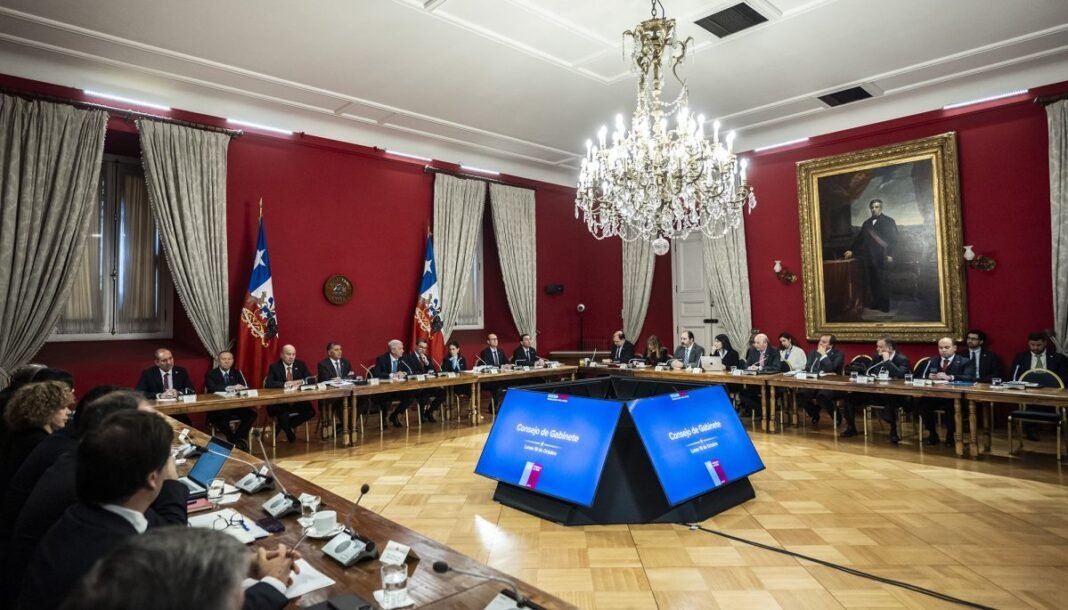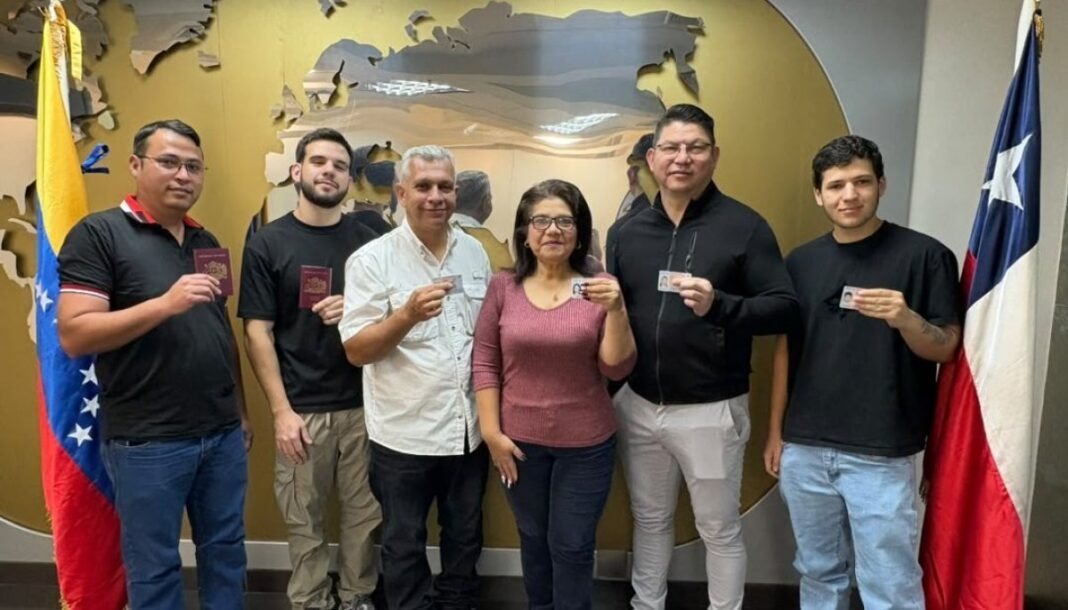
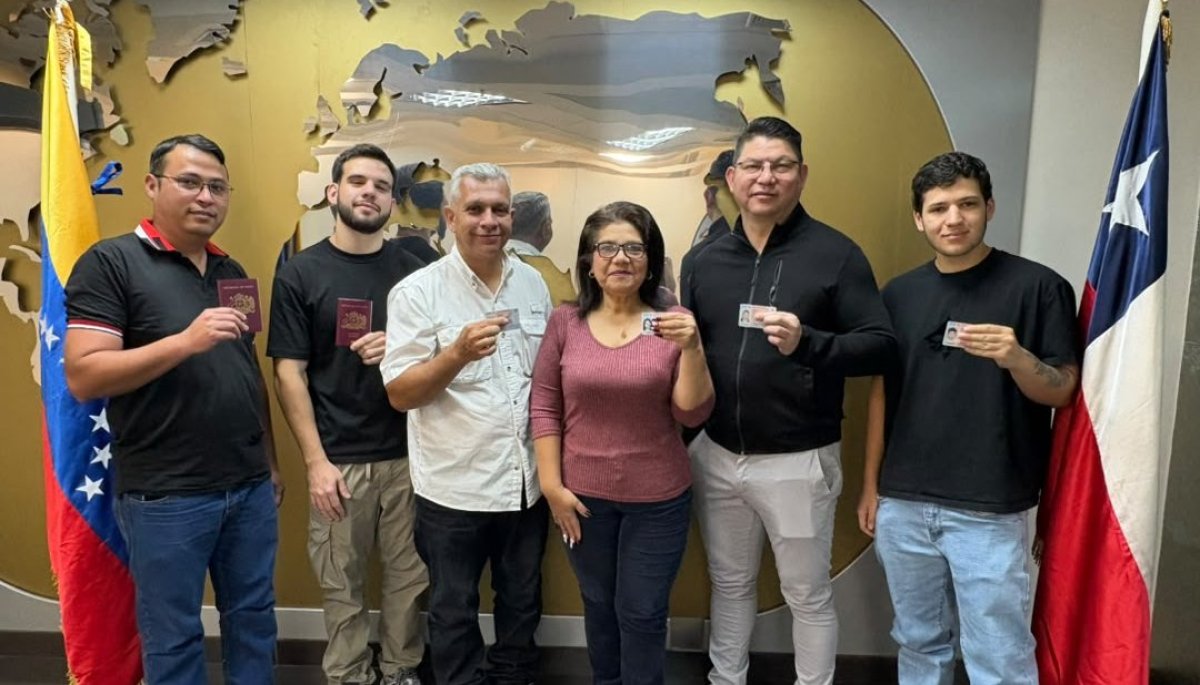
As set out in a formal announcement, The Ministry of Foreign Relations announced on October 19, 2026, the partial resumption of consular services in Caracas and Puerto Ordaz, Venezuela, marking a significant step in Chile’s engagement with the South American nation. Belén Torres, a Chilean national with Chilean parents, was the first individual to receive a passport at the Caracas consulate, while Gustavo Sandoval received a cédula de identidad at the Puerto Ordaz consulate. This action, according to Minister Francisco Pérez Mackenna, aims to provide assistance, protection, and services to Chile’s over 25,000 residents in Venezuela, representing a renewed approach to building trust and strengthening ties with the country. The statement does not address the ongoing political and economic challenges within Venezuela.
Background
This latest development follows a previous announcement by the Ministry of Foreign Relations on October 15, 2026, regarding the reopening of two Chilean consulates in Caracas and Puerto Ordaz, Venezuela. That initial statement indicated the partial resumption of consular functions would begin on October 19, 2026, with the delivery of passports to Chilean nationals residing in Venezuela and the subsequent establishment of appointment scheduling for services. The Ministry’s previous announcement highlighted a commitment to re-establishing consular presence following a period of suspended operations.
Analysis
The Ministry’s action represents a carefully calibrated approach to engagement with the Venezuelan government, led by Nicolás Maduro. The resumption of consular services, while limited in scope, signals a willingness to maintain contact with the Chilean diaspora in Venezuela, a population facing considerable economic and political hardship. This suggests a strategic calculation by Chile, prioritizing the welfare of its citizens while navigating the complexities of relations with a regime under international sanctions. The opening of appointment services indicates a commitment to providing essential documentation and legal support, reflecting a recognition of the ongoing needs of the Chilean community in Venezuela. The statement does not address the potential risks associated with operating consulates within a politically unstable environment.
Implications
The reopening of the consulates carries several implications for regional stability and Chile’s foreign policy. It demonstrates a continued, if cautious, commitment to diplomatic engagement with Venezuela, potentially influencing other nations considering similar strategies. The availability of passport and identification services could ease some of the administrative burdens faced by Chilean nationals in Venezuela, offering a degree of protection and access to essential services. The expansion of consular services, including notarized acts and legal support, could indirectly contribute to the economic viability of the Chilean community in Venezuela. Should the visit yield further opportunities for dialogue, it would strengthen Chile’s position within the Latin American diplomatic landscape.
Outlook
If the appointment of services proceeds as planned, starting with the opening of the appointment system on October 26, 2026, and if the Ministry continues to prioritize the needs of the Chilean community in Venezuela, the resumption of consular services could serve as a foundation for further diplomatic engagement. Should the Ministry successfully establish a regular dialogue with the Venezuelan government regarding consular matters, it could pave the way for broader discussions on trade and economic cooperation. However, should the situation in Venezuela remain unstable or if the Maduro regime fails to implement concrete reforms, the effectiveness of the consular services could be undermined, potentially leading to a renewed suspension of operations.
Conclusion
The resumption of consular services in Venezuela marks a tentative step, but the Ministry’s continued engagement raises a fundamental question: can Chile effectively leverage its diplomatic presence to mitigate the challenges faced by its citizens while simultaneously fostering a more stable and productive relationship with the Maduro government?