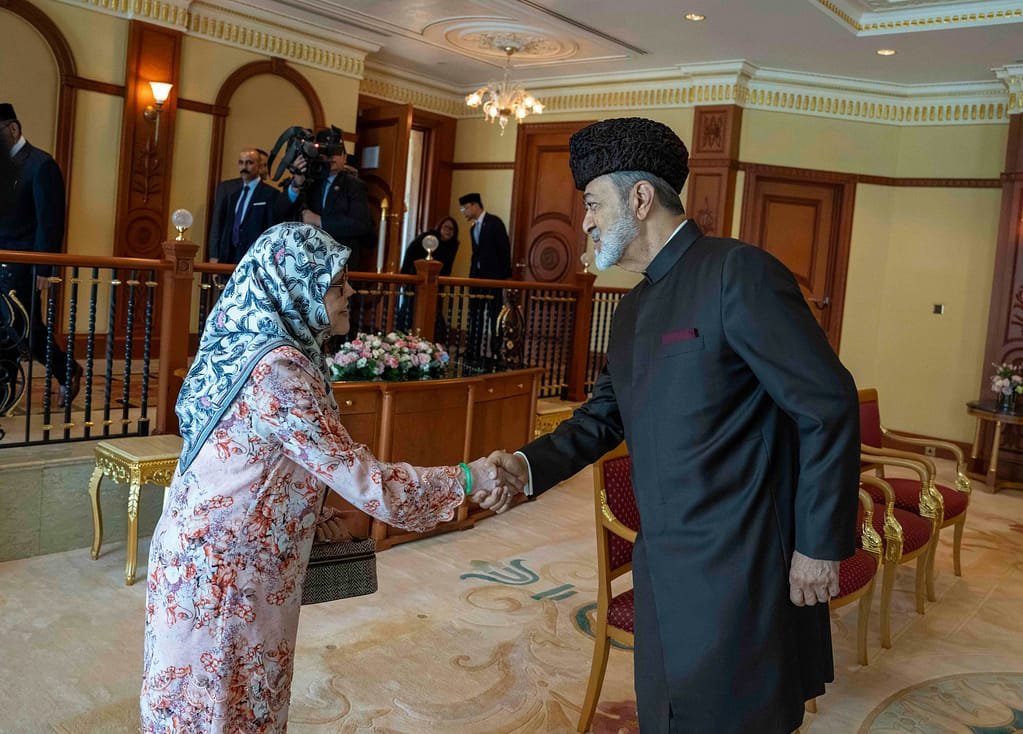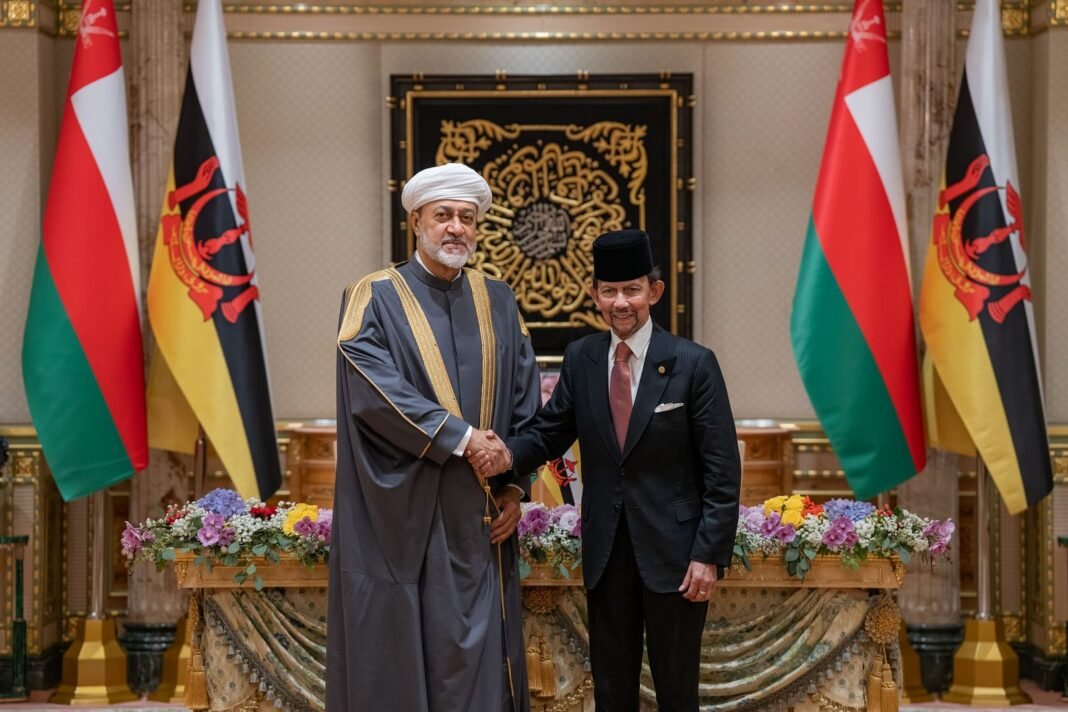
Reporting in a government statement, At the invitation of His Majesty Sultan Haji Hassanal Bolkiah Mu’izzaddin Waddaulah, Sultan of Brunei Darussalam, His Majesty Sultan Haitham bin Tarik, Sultan of Oman, paid a state visit to Brunei Darussalam from November 2 to 4, 2026. This marked the first visit by a Sultan of Oman to Brunei Darussalam, a historic milestone in longstanding fraternal relations established on March 24, 1984. The statement does not mention the specific goals of the visit beyond deepening relations, but it highlights the elevation of relations to a “strategic partnership” – a significant step for both nations.

Background
Prior to this visit, the statement does not mention any specific agreements or meetings that directly led to this outcome. However, the statement emphasizes the “close and enduring ties between the Sultanate of Oman and Brunei Darussalam” and their “shared commitment to deepening and expanding all aspects of bilateral relations.” The establishment of diplomatic relations in 1984 provides a foundation for this latest development. The statement does not address the history of previous engagements or diplomatic discussions that may have contributed to this strategic partnership.
Analysis
The decision to elevate relations to a strategic partnership suggests a deliberate shift in the relationship, moving beyond traditional cooperation to a more formalized and potentially binding framework. This suggests a mutual recognition of shared interests and a desire to deepen engagement in areas beyond simply maintaining existing ties. The statement does not provide details on the specific sectors where this strategic partnership will be focused, but the inclusion of investment, education, culture, and people-to-people exchanges indicates a broad scope. The joint inauguration of a photographic exhibition titled “Bridges Between the Sultanates” further underscores the symbolic importance of this event and the desire to foster cultural understanding. The fact that the visit is the first by an Omani Sultan to Brunei Darussalam highlights the significance of the occasion and the commitment to strengthening bilateral relations.
Implications
This strategic partnership has significant implications for regional stability. A closer relationship between Oman and Brunei Darussalam could influence dynamics within Southeast Asia and potentially impact broader diplomatic efforts. The agreement on mutual visa exemption for passport holders is a practical step that will facilitate increased travel and trade. The agreement on cooperation in agriculture and fisheries, labour and human resource development, and economic and strategic planning suggests a focus on tangible economic benefits. The joint commitment to supporting efforts to achieve peace and stability through dialogue and diplomacy reflects Oman’s continued role as a mediator in regional conflicts. The statement does not address the potential impact on Oman’s foreign policy or its relationships with other regional powers.
Outlook
Should the visit yield further agreements and MoUs as outlined in Annex A, the future of the strategic partnership will depend on continued engagement and commitment from both sides. If the joint consultations continue to be productive, further cooperation could be developed in areas such as defence and security. Should Oman and Brunei Darussalam continue to prioritize dialogue and diplomacy, this could contribute to broader efforts to resolve regional conflicts. The statement does not offer a timeframe for achieving specific outcomes or milestones within the strategic partnership.
Conclusion
The joint statement marks a formalization of longstanding ties between Oman and Brunei Darussalam, setting the stage for a deeper strategic partnership. The visit’s success hinges on sustained dialogue and a shared commitment to mutual benefit, leaving open the question of how this partnership will translate into concrete outcomes and solidify Oman’s role in the region.