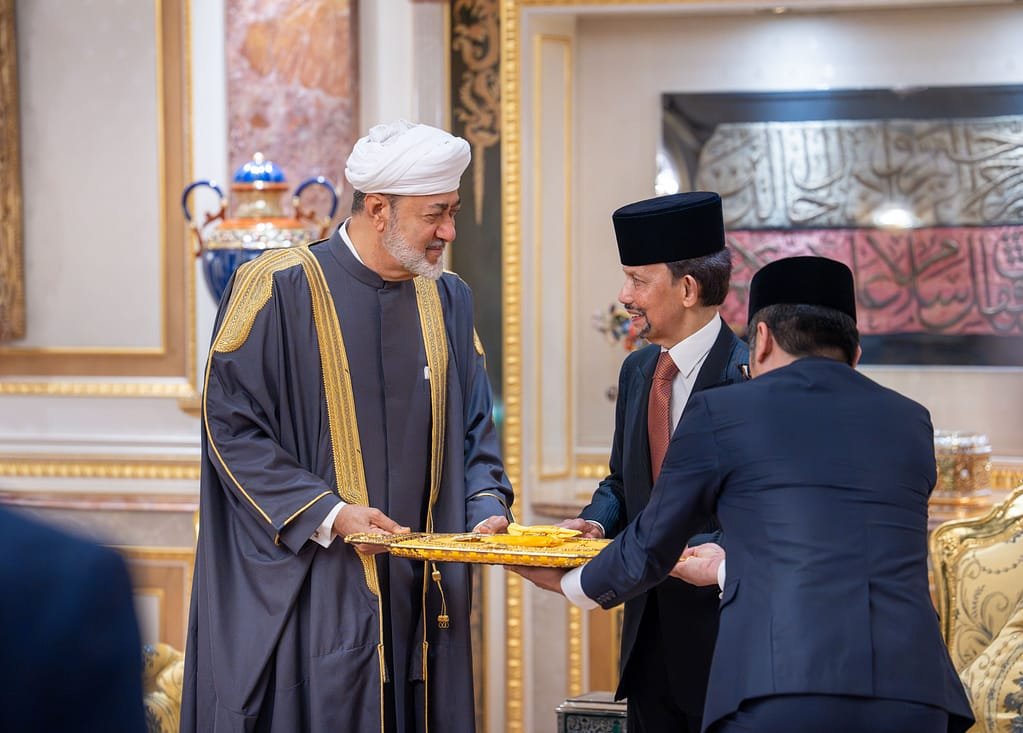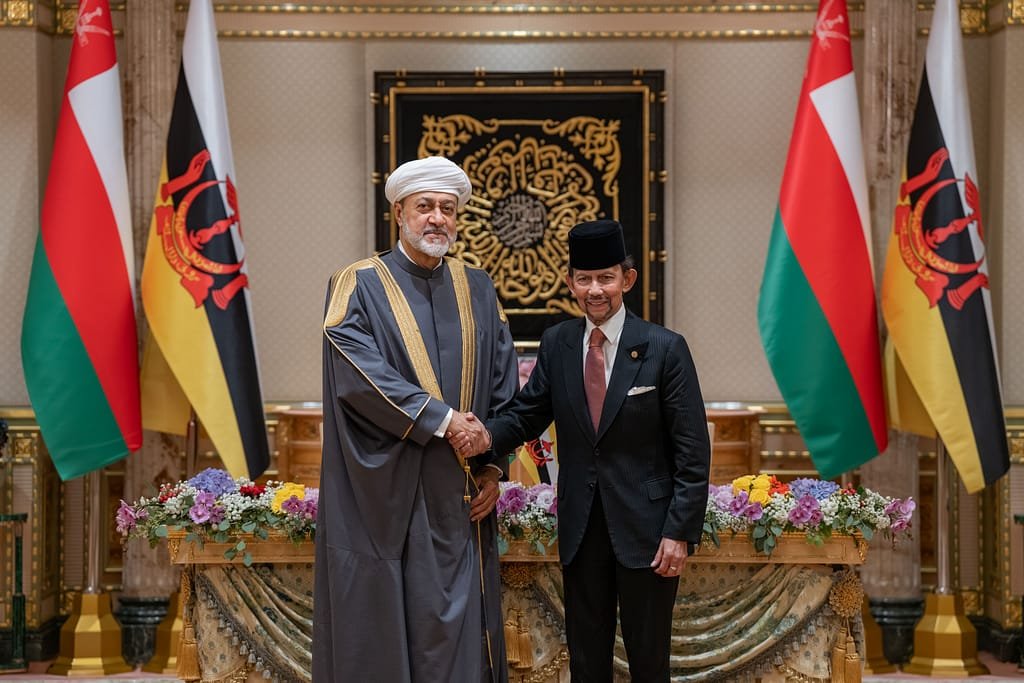
As set out in a formal announcement, His Majesty’s visit to Brunei opens a new phase of cooperation, according to a statement from the Ministry of Foreign Affairs. The state visit by His Majesty Sultan Haitham bin Tarik to Brunei Darussalam, the first by an Omani Sultan, reflects a shared commitment to ushering in a new phase of cooperation and partnership. This marks a significant shift in Oman’s diplomatic engagement, prioritizing economic collaboration alongside existing security partnerships, as outlined in the statement.

Background
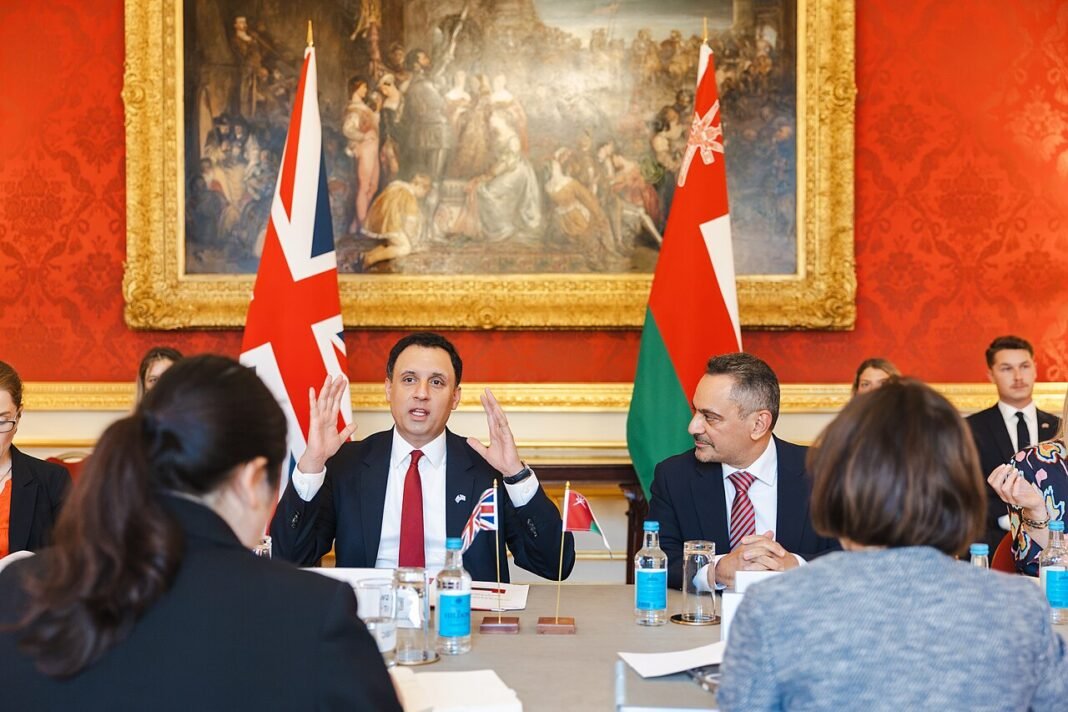
Prior to this visit, the Ministry of Foreign Affairs had affirmed that the State visit to the United Kingdom renewed momentum of a strategic partnership (21 October 2026). Previously, in March, the ministry said His Majesty’s China visit marked a milestone in relations (2 November 2026). These engagements demonstrate a consistent effort to broaden Oman’s diplomatic portfolio beyond traditional security alliances, focusing on economic opportunities and technological advancements.
Analysis
The statement indicates a deliberate recalibration of Oman’s foreign policy priorities. The focus on “economic, investment and trade sectors, alongside energy, tourism, education and culture” suggests a move away from solely relying on security cooperation for strategic benefit. The inclusion of “technological developments and artificial intelligence” highlights a recognition of the growing importance of innovation and digital economies. This signals a desire to diversify Oman’s economy and integrate itself into global value chains. This also suggests a willingness to actively participate in regional initiatives, aligning with broader trends in the Gulf Cooperation Council.
Implications
The shift in emphasis towards economic cooperation has significant implications for Oman’s regional standing. It positions the Sultanate as a more active player in Southeast Asia, potentially attracting foreign investment and fostering trade relationships. The stated interest in “dialogue and international cooperation” suggests a continued commitment to multilateralism, although the emphasis on “continued consultation and coordination” implies a pragmatic approach to international relations. The potential for collaboration in energy – a sector traditionally dominated by Saudi Arabia – could reshape the regional dynamics of oil and gas production and distribution.
Outlook
Should the visit yield agreements on investment and technological partnerships, Oman would be bolstering its economic base. If the discussions are successful in attracting significant foreign investment, particularly in sectors aligned with Oman’s Vision 2040, the country’s long-term growth prospects would improve. Should Brunei Darussalam demonstrate a willingness to collaborate on developing and implementing artificial intelligence solutions, Oman could accelerate its digital transformation and enhance its competitiveness in the global market.
Conclusion
The state visit to Brunei Darussalam represents a strategic repositioning for Oman, but the extent of its impact remains conditional on the tangible outcomes of the negotiations. The success of this initiative hinges on a sustained commitment to fostering mutually beneficial partnerships and driving economic diversification.