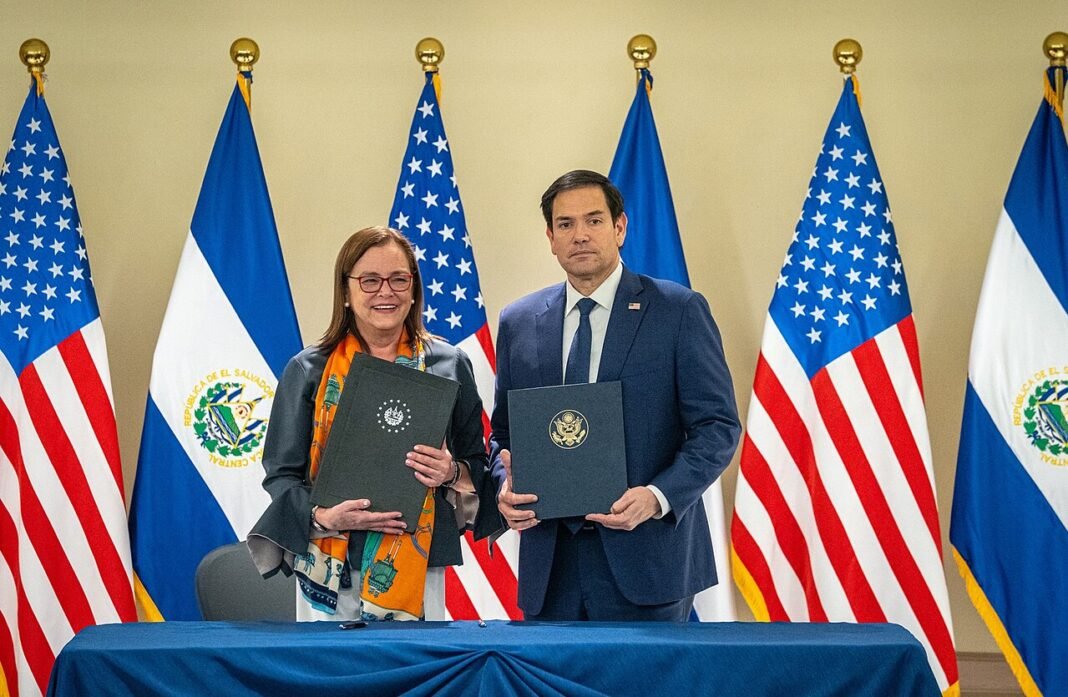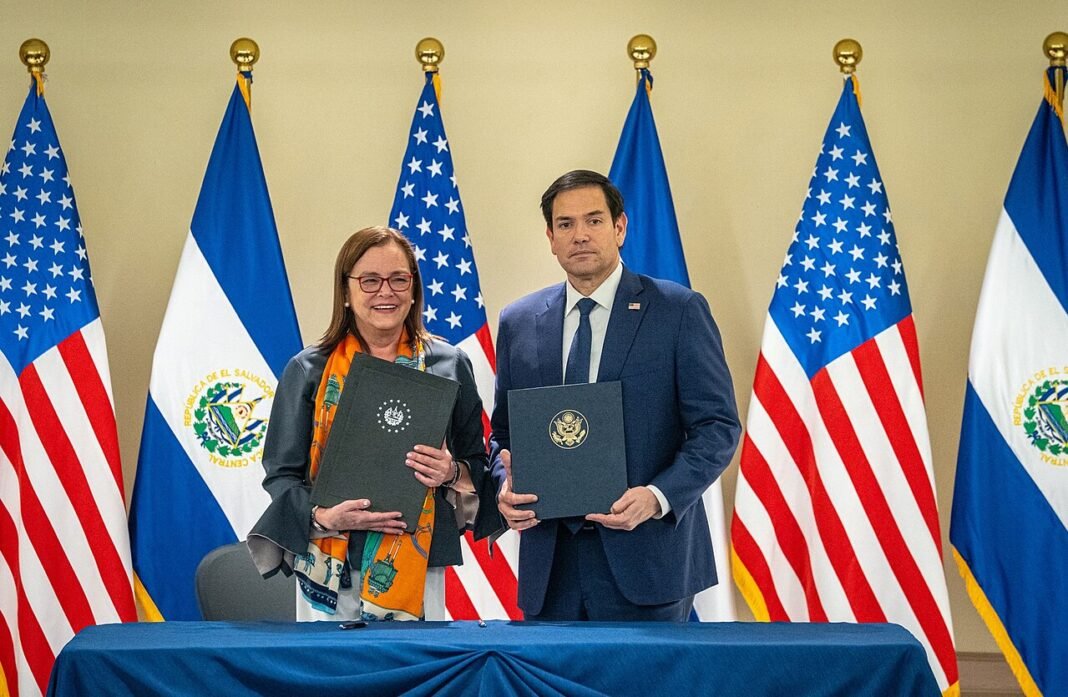
Per the government announcement, The United States formally committed to participating in Expo 2030, which will be held in Riyadh, following the signing of a participation contract on October 30, 2026. The statement, released by the State Department, indicates a formal agreement between the United States and the Kingdom of Saudi Arabia. This action represents a first step toward establishing a United States Pavilion at the event, which is slated to take place in Riyadh.

Background
The contract signing occurred during a meeting between Secretary of State Marco Rubio and Saudi Foreign Minister Prince Faisal bin Farhan al Saud. The event took place at the Loews Atlanta hotel in Atlanta, Georgia. This meeting occurred on the sidelines of the G20 Foreign Ministers’ Meeting. A previous statement by Secretary Rubio, dated October 30, 2026, announced the U.S. participation in World Expo 2030 in Riyadh, Saudi Arabia. This earlier announcement, released by the Office of the Spokesman, detailed the signing of the participation contract for Expo 2030 Riyadh with Saudi Minister of Foreign Affairs Faisal bin Farhan signed the participation contract for Expo 2030 Riyadh today on the sidelines of the G20 Foreign Ministers’ Meeting in Atlanta, Georgia. The statement does not address the specific themes or design elements of the U.S. Pavilion.
Analysis
The agreement represents a strategic move for the United States, aligning itself with Saudi Arabia’s ambitious plans for Expo 2030. The Kingdom is investing heavily in this showcase, aiming to position itself as a global leader in innovation and technology. This bilateral engagement offers the United States an opportunity to demonstrate its commitment to the region and expand commercial opportunities for U.S. businesses. The statement does not address the potential economic benefits for the United States stemming from this participation, nor does it specify the intended scope of U.S. investment. The contract’s signing suggests a desire to foster closer ties with a key energy producer and a significant player in the evolving geopolitical landscape of the Middle East. The statement does not address the potential for increased trade or collaboration between the two nations.
Implications
The participation in Expo 2030 carries several implications for regional stability and U.S. foreign policy. It reinforces the U.S. commitment to Saudi Arabia, a country undergoing significant economic and social transformation. Should the U.S. Pavilion be successful, it could bolster Saudi Arabia’s image as a forward-looking nation. The agreement has implications for U.S. commercial interests within the region, potentially opening doors for investment and trade. The statement does not address the broader geopolitical ramifications of the U.S. engagement in Saudi Arabia, particularly in the context of regional security challenges.
Outlook
If the U.S. Pavilion is successful, it could generate positive momentum for further engagement between the United States and Saudi Arabia. Should the U.S. government prioritize the pavilion’s development and execution, it may lead to increased collaboration on other fronts. The agreement does not create any immediate obligations or commitments beyond the initial participation in the Expo. The statement does not address the potential for future agreements or collaborations between the two countries.
Sources & Further Reading
- Official press release
- Foreign ministry source
- Secretary Rubio Announces U.S. Participation in World Expo 2030 in Riyadh, Saudi Arabia (Unknown Da)
- Secretary of State Marco Rubio at the G20 Foreign Ministers’ Meeting Welcome Reception (Unknown Da)
- Secretary of State Marco Rubio and Finnish Foreign Minister Elina Valtonen at a Memorandum of Understanding Signing Ceremony on a Critical Minerals Framework and a Technology Prosperity Deal (Unknown Da)