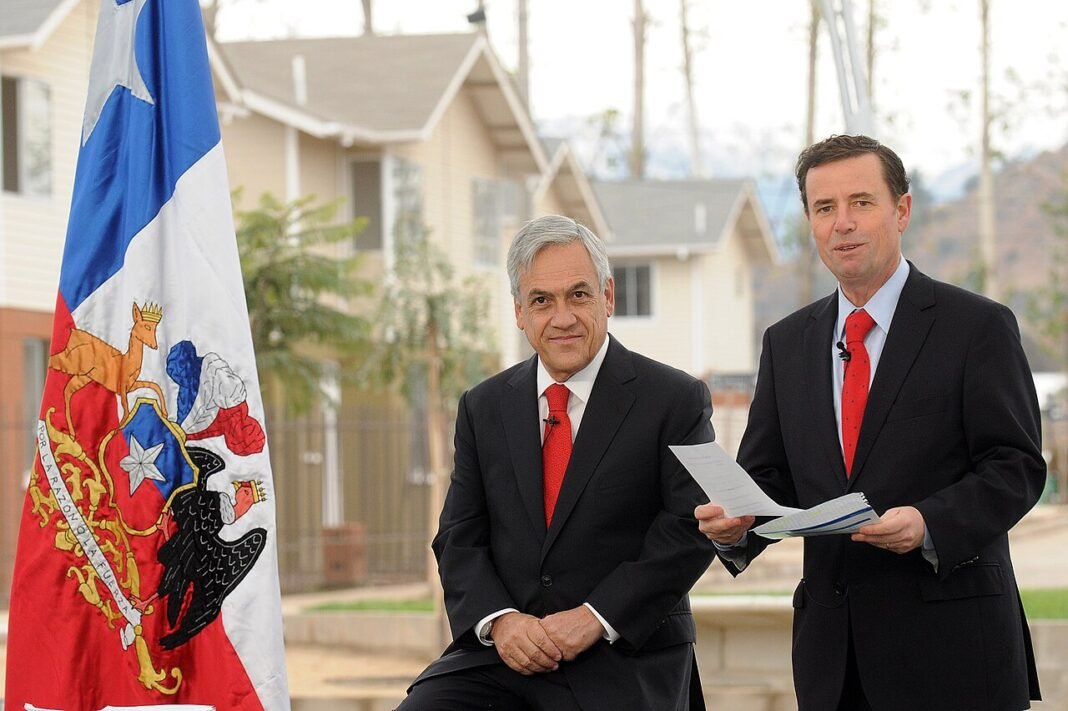
The official readout frames the trip as The Minister of Foreign Affairs, Francisco Pérez Mackenna, launched the 63rd Antarctic Scientific Expedition (ECA) in Punta Arenas, marking the commencement of the Chilean Antarctic Month. This event, overseen by the Chilean Antarctic Institute (INACH), will enable approximately 50 scientific projects and 150 professionals to conduct research in the Antarctic territory from November to the end of March, reinforcing the nation’s dedication to international cooperation in the region.

Background
The Institute Antártico Chileno (INACH) has been coordinating this program since 2004. Prior to this launch, the Minister’s visit focused on Punta Arenas and the Magallanes region, highlighted as a crucial “strategic gateway to Antarctica.” The statement does not mention any specific prior meetings or agreements that directly led to this launch, but emphasizes the ongoing commitment to expanding Antarctic development in the region.
Analysis
The core of Chile’s Antarctic strategy, as articulated by Minister Pérez Mackenna, rests on a dual objective: advancing scientific knowledge and bolstering the country’s international standing. The planned operation, encompassing bases and camps across the Antarctic Peninsula and the continent’s interior, including the Unión Glacier, underscores a strategic investment in a geographically significant area. This involves collaboration between INACH, the Chilean Armed Forces, and private operators. The inclusion of the new icebreaker, the Almirante Viel, for 17 days of scientific research represents a tangible expansion of Chile’s operational capabilities. The planned renovations of the “Professor Julio Escudero” base and incorporation of renewable energy sources, through a cooperation program with the German GIZ agency and the European Union, highlights Chile’s commitment to sustainable practices and technological advancement. This suggests a deliberate effort to attract international partners and showcase Chilean innovation.
Implications
The launch of the ECA 63 carries considerable implications for regional stability and trade. Chile’s established leadership in Antarctic operations, as evidenced by the increased number of countries utilizing Punta Arenas as a gateway – now 21 nations – strengthens its diplomatic influence and logistical capabilities. The utilization of the Almirante Viel for scientific research directly impacts the feasibility of Antarctic expeditions for other nations, potentially bolstering Chile’s role as a key enabler of scientific exploration. Should the visit yield significant data on glacial melt rates, as suggested by the planned research, it could inform international climate change policy debates. The statement does not address the potential impact of increased Antarctic activity on maritime security or resource management.
Outlook
If the Almirante Viel’s operation is successful, as planned, it should provide a significant boost to Chile’s research capabilities. Should the renovation of the “Professor Julio Escudero” base be completed on schedule, incorporating renewable energy, it would further enhance the base’s scientific productivity and demonstrate Chile’s commitment to sustainable practices. If the cooperation with the European Union and the German GIZ agency proves fruitful, it could lead to expanded research programs and technological exchange. The continued presence of other nations utilizing Chilean infrastructure highlights the potential for further collaboration, but this depends on maintaining Chile’s logistical dominance and the willingness of other countries to share resources and expertise.
Conclusion
The launch of the ECA 63 represents a sustained investment in Chile’s Antarctic ambitions, but the ultimate success of these endeavors will hinge on the continuing ability to secure international cooperation and maintain a strategic advantage in a rapidly changing research landscape. The continued exploration of the Union Glacier, a key objective of the expedition, raises fundamental questions about the future of Antarctica and its role in global climate change.