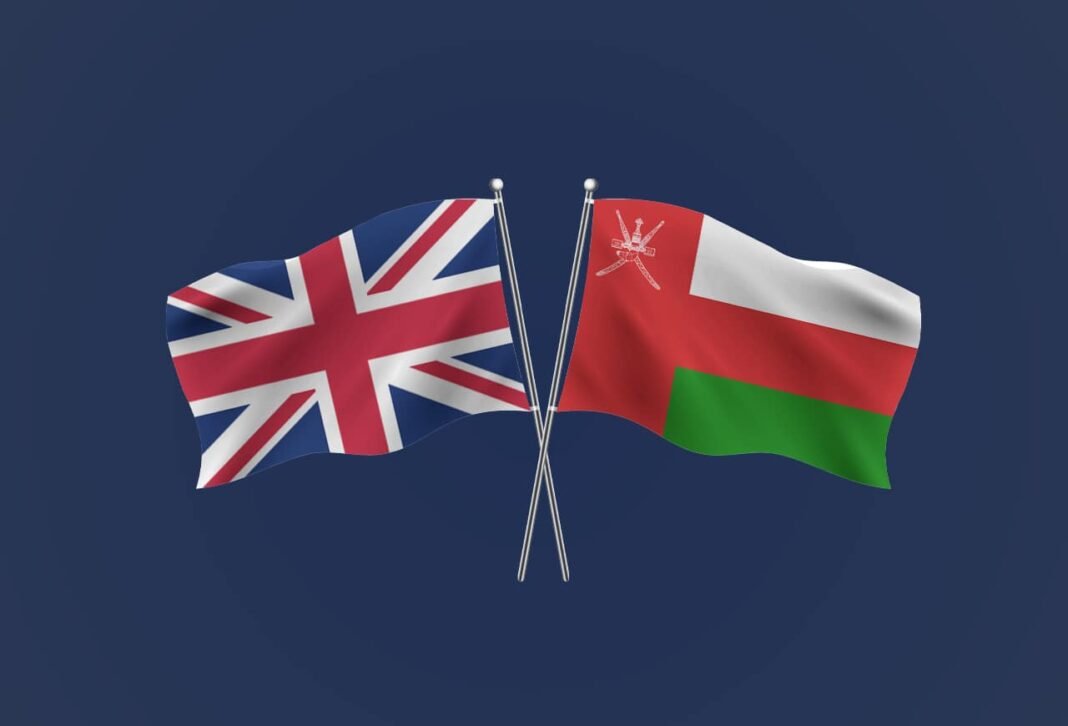
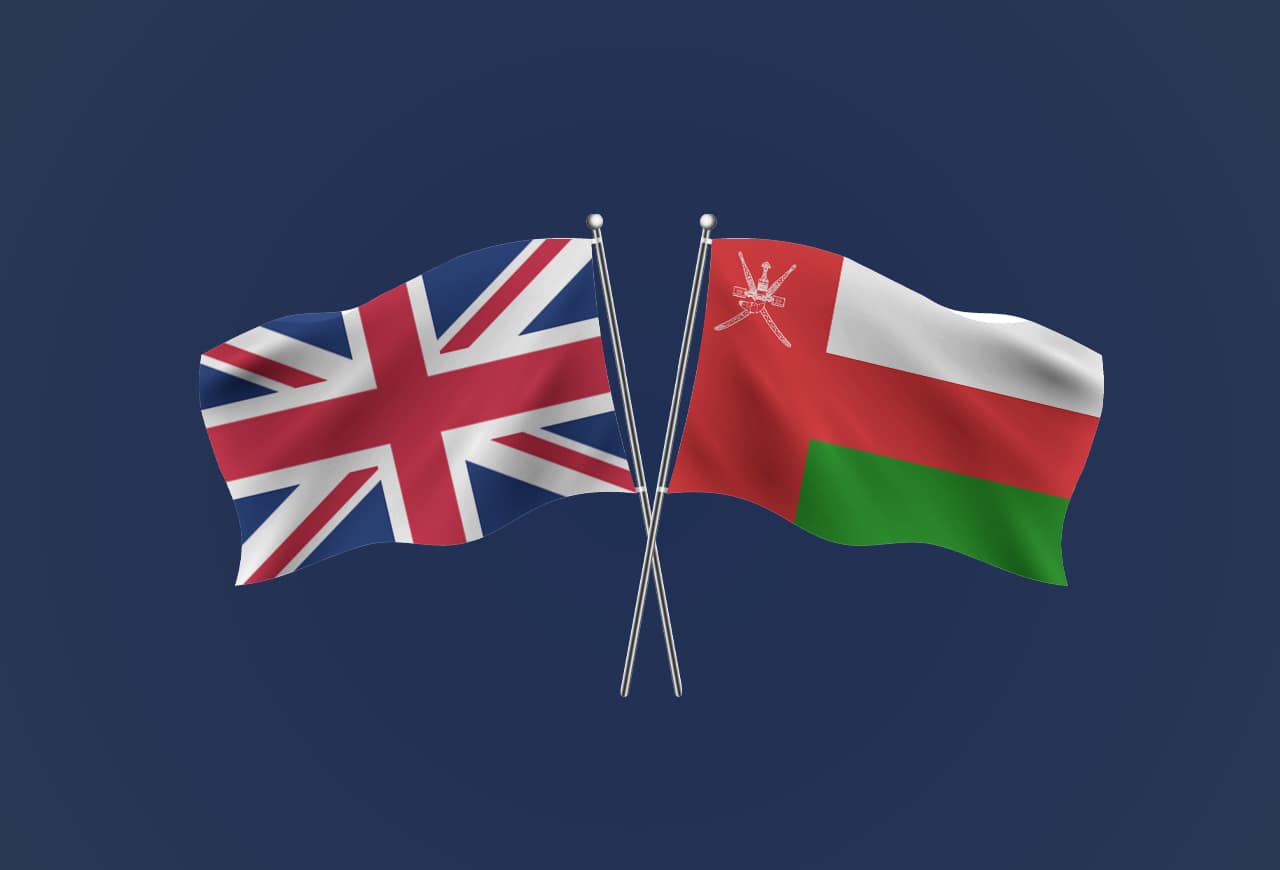
The foreign ministry readout describes
Background
The framework for this renewed partnership is rooted in the Comprehensive Agreement of Enduring Friendship and Bilateral Cooperation (2019) and the Joint Defence Agreement (2019). The UK-Oman Ministerial Dialogue, Joint Defence Talks, and Strategic Advisory Group serve as established forums for this cooperation. The statement does not mention the prior state of these forums. The timing of this visit, coinciding with the Prime Minister Andy Burnham’s visit to London, suggests a deliberate effort to consolidate existing ties and signal intent.
Analysis
The statement’s broad outlines – “modernising security, defence and national resilience cooperation,” “expanding trade and investment,” “working together on regional stability,” and “strengthening ties between people and institutions” – represent a standard diplomatic vocabulary. The emphasis on “security” immediately highlights potential tensions given Oman’s maritime interests in the Strait of Hormuz, a region where the UK retains strategic influence. The inclusion of “critical minerals” is notable, reflecting global supply chain concerns and Oman’s potential resource wealth, but the statement does not address the specifics of mineral extraction or trade agreements. The mention of the British Omani Society signals an investment in inter-cultural engagement, a potential avenue for long-term relationship building. The statement does not address the potential impact of this partnership on Oman’s broader geopolitical alignment, particularly with countries like the UAE.
Implications
For policymakers, the joint statement represents a commitment to continued engagement, but the lack of concrete details raises questions about the substance of the partnership. Regionally, the renewed focus on “regional stability” could involve increased UK involvement in mediating disputes or supporting regional security initiatives. The agreement to deepen trade ties, particularly with the anticipated signing of the UK-Gulf Cooperation Council Free Trade Agreement, could boost Oman’s economy, but hinges on the successful negotiation of trade terms. The increased UK defence presence – “increased focus on defence expertise, testing, innovation and future capability” – signals a potential shift in Oman’s defence posture, contingent on the details of future defence cooperation.
Outlook
Should the visit yield a commitment to detailed discussions on defence spending and operational cooperation, Oman would likely face increased scrutiny from NATO and European partners. If the UK-GCC Free Trade Agreement is finalized as planned, Oman could benefit from increased market access for its exports, but this depends on the agreement’s terms and the UK’s commitment to implementing it. The statement does not address the potential for disagreements over maritime security or the UK’s continued influence in the region.