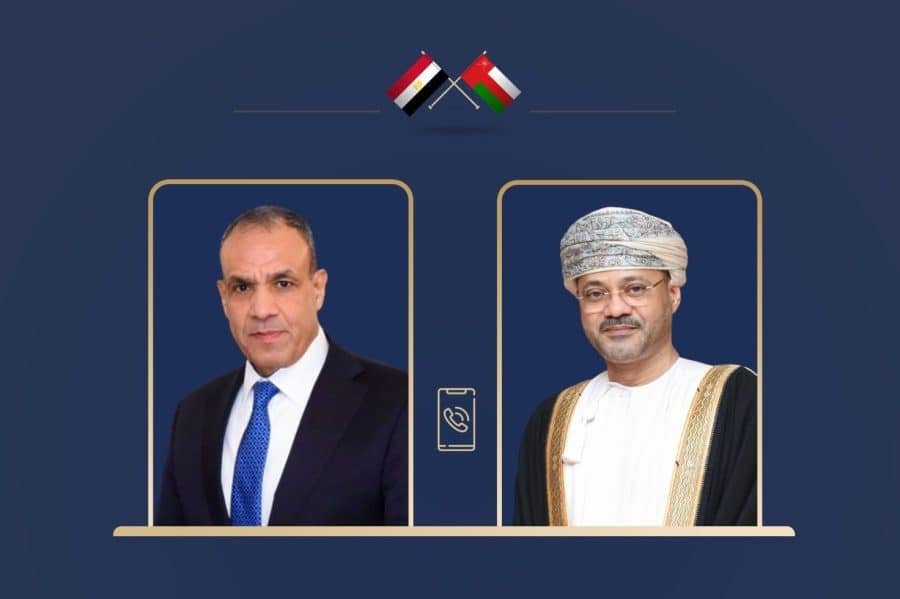
As set out in a formal announcement, Oman’s Foreign Ministry announced on October 18, 2026, a series of telephone calls undertaken by Minister Sayyid Badr Albusaidi with counterparts from Egypt, the United Arab Emirates, and France. The statement does not mention the specific nature of the “escalation” being addressed, only stating that the Ministers “discussed the close relations between the two countries and regional developments.” This suggests a rapidly evolving security landscape within the Gulf region, though the precise nature of the heightened tensions remains opaque. The fact that the calls occurred within a single day – October 18th – indicates a concerted and urgent diplomatic effort, highlighting a perceived need for immediate coordination. The statement does not mention the duration of the calls or the specific agenda for each discussion. The ministry’s actions, as outlined, represent a continuation of Oman’s longstanding role as a mediator in regional disputes. This is the first public announcement of this diplomatic activity, and the statement does not provide any further detail on the outcomes of these conversations.

Context
The announcement of these phone calls underscores a shift in Oman’s diplomatic posture, moving beyond primarily bilateral engagements to encompass a broader, more reactive approach to regional instability. The inclusion of Egypt, the UAE, and France – nations with distinct geopolitical interests and varying degrees of involvement in ongoing conflicts – signals a deliberate strategy to broaden the circle of influence around de-escalation efforts. The reference to “current regional developments” is deliberately vague, reflecting a cautious approach to openly identifying the specific triggers for the heightened tensions. The statement does not mention the Egyptian counterpart’s name, Dr Badr Abdelatty, but refers to his role as Minister of Foreign Affairs, International Cooperation and Egyptian Expatriates. This suggests the conversation involved a range of issues beyond simply the immediate escalation, potentially including economic cooperation and broader strategic alignment. The inclusion of France, a key European partner in the region, demonstrates Oman’s commitment to engaging with international actors in pursuit of stability. This mirrors previous statements by the ministry, such as the meeting with the Armenian counterpart on October 12th, 2026, demonstrating a pattern of engagement with regional actors. The ministry’s earlier statement on September 15th, 2026, regarding a phone call with the Tunisian counterpart, further reinforces this trend of proactive diplomatic engagement.
What to Watch
Should the visit yield a commitment to coordinated diplomatic action, the next step for the ministry would be to facilitate a broader regional dialogue, potentially involving other key players such as Saudi Arabia and Iran. However, the statement does not mention any concrete plans for a formal summit or extended meeting. The continued escalation referenced in the press release suggests that Oman’s efforts may be primarily focused on containing the immediate crisis rather than achieving a lasting resolution. The ministry’s previous call with the Armenian counterpart on October 12th, 2026, demonstrates a willingness to engage with nations often excluded from major regional discussions, suggesting a potential strategy of incremental diplomacy. The ministry’s continued engagement with France, a nation with significant military and strategic interests in the region, could also lead to discussions regarding security cooperation and intelligence sharing. The statement does not address the potential for Oman to play a more active role in mediating a ceasefire or facilitating negotiations between opposing sides. The ministry’s focus on “prioritising political and diplomatic solutions” reflects a continued commitment to avoiding military intervention, but the statement does not explicitly outline any specific mechanisms for achieving this goal.