
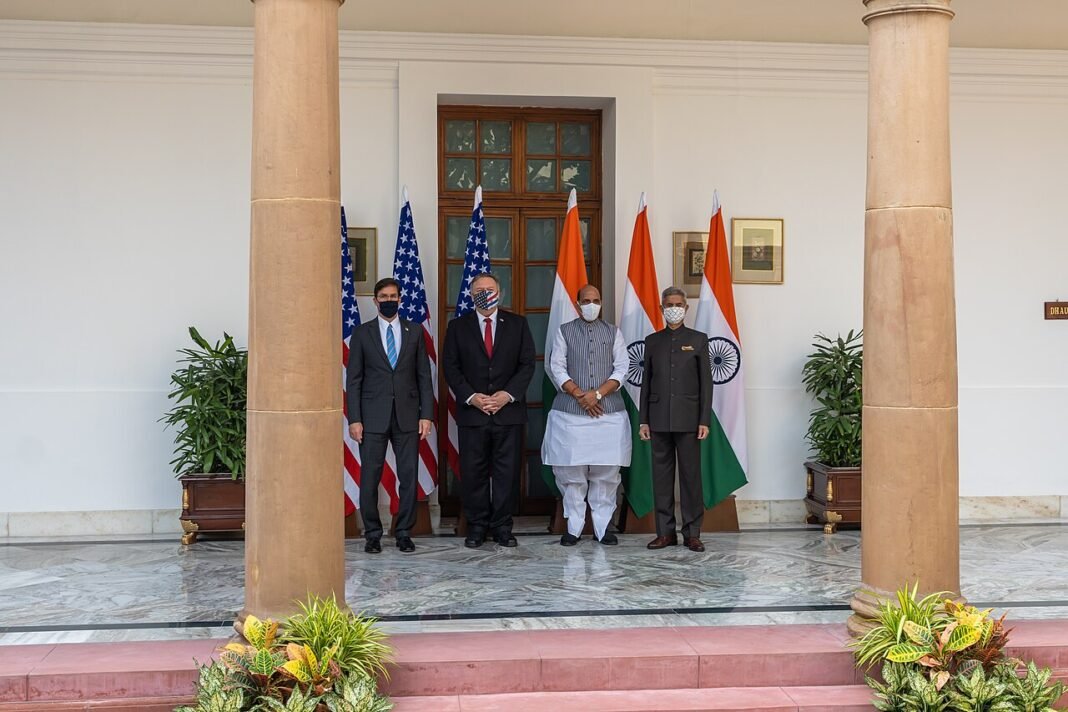
Reporting in a government statement, The External Affairs Minister, Dr. S. Jaishankar, commenced an official visit to Ghana, Côte d’Ivoire, and Ethiopia on October 6th, 2026. The visit, scheduled to conclude on October 10th, 2026, represents a strategic effort by India to reinforce and expand its partnerships within the African continent. The purpose of the engagement, as outlined by the Ministry of External Affairs, is to review existing bilateral ties and explore opportunities across multiple sectors—trade, economic cooperation, development assistance, and people-to-people connections. This aligns with India’s stated goal of deepening its relationship with the Global South.

Background
The visit is structured around a series of bilateral meetings. These meetings are scheduled with counterparts in each nation, alongside engagements with leadership within the respective governments. The agenda encompasses a ‘whole gamut’ of bilateral ties, as stated by the Ministry. This includes discussions on trade and economic relations, development cooperation initiatives, capacity building programs, and fostering closer ties between the populations of India and these African nations. The visit also includes a Regional Heads of Mission (HoMs) Conference, to be chaired by the External Affairs Minister, in Addis Ababa.
Analysis
The visit signals a prioritization of India’s relationship with Africa. This is framed by the Ministry as reflective of India’s commitment to deepen its partnership with the African continent. The stated objectives—trade, economic cooperation, development assistance, and people-to-people ties—suggest a focus on tangible outcomes. The inclusion of the Regional Heads of Mission Conference indicates a heightened awareness of India’s diplomatic presence and influence within the region. The framing of the visit as ‘solidarity with Global South’ suggests an alignment with broader geopolitical trends, potentially reflecting India’s stance on issues of international governance.
Implications
The visit holds implications for India’s foreign policy objectives. The deepening partnership with Ghana, Côte d’Ivoire, and Ethiopia could bolster India’s trade relations within the West African region. The focus on development cooperation could lead to increased investment in infrastructure and other projects within these nations. The engagement with the Regional Heads of Mission Conference highlights India’s commitment to maintaining a robust diplomatic network across Africa. Should the visit yield further agreements on trade and investment, it would represent a significant step in India’s efforts to diversify its economic partnerships and strengthen its influence in the Global South.
Outlook
If the bilateral meetings are successful in securing commitments for increased trade and investment, it would signify a shift in India’s approach to Africa. Should the visit yield further agreements on development cooperation, it would demonstrate India’s willingness to invest in the long-term development of these nations. The visit’s focus on regional security matters, if pursued, would represent a deepening engagement with African nations on issues of shared concern, reflecting a more proactive diplomatic stance.
Conclusion
The visit concludes with the External Affairs Minister returning to New Delhi, leaving open the question of how effectively India can translate its stated commitment to deepen partnerships with Africa into concrete, mutually beneficial outcomes.

.jpg)