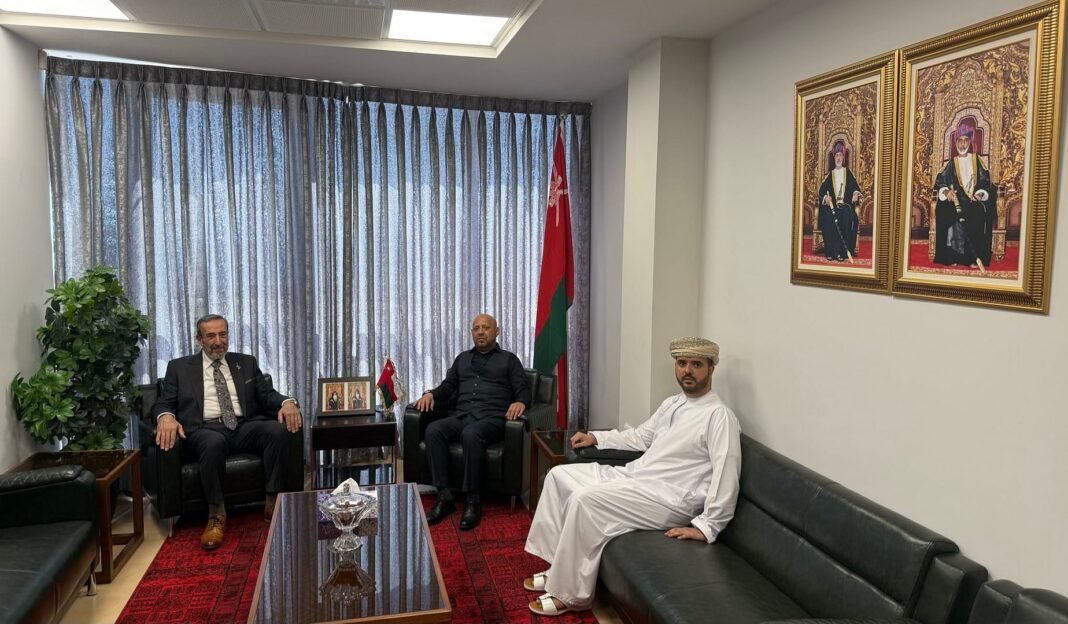
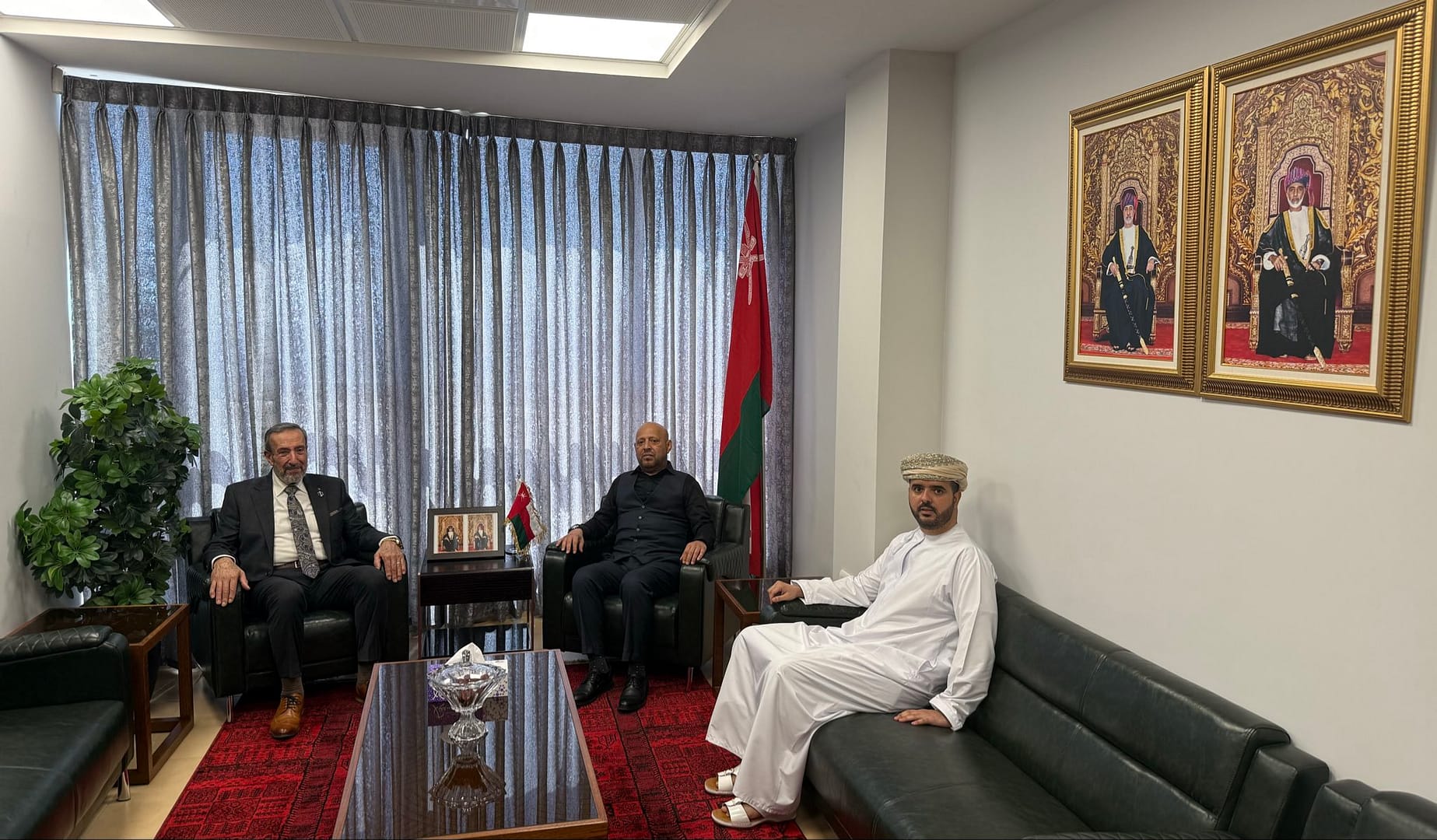
On 28 September 2026, Abdullah bin Omar Al Haddad, Acting Head of the Embassy of the Sultanate of Oman in Palestine, received the Palestinian Minister of Justice, Sharhabeel Al Zaeem. This meeting, attended by First Secretary Saif Al Salti, centered on ways to strengthen bilateral cooperation and reviewed the latest developments in Palestine. The statement does not address the specific nature of these developments, nor the anticipated outcomes of the discussions. The engagement underscores Oman’s continued diplomatic presence and engagement within the Palestinian context. — the full statement has further detail.
Background
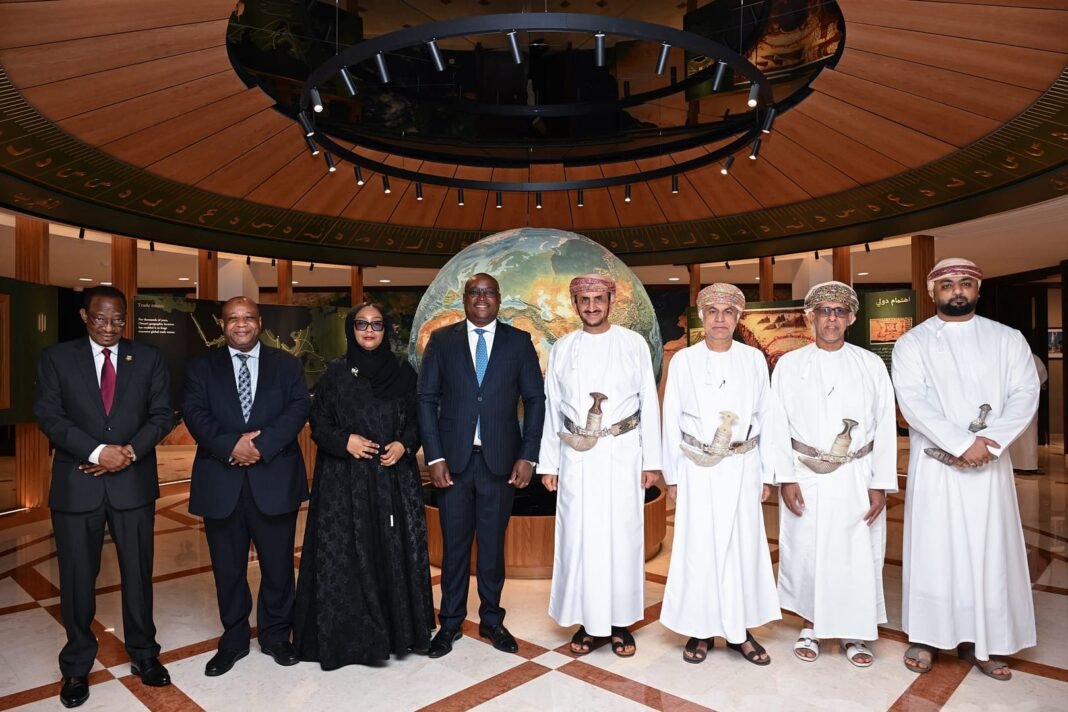
This meeting follows a series of recent diplomatic engagements undertaken by the Sultanate of Oman. On 27 September 2026, Oman held consultations with Tanzania. Prior to this, on 26 September 2026, the Minister met with the Canadian Foreign Minister. These activities reflect Oman’s established network of diplomatic relations and its active participation in regional dialogues. The statement does not address the frequency or historical context of these meetings.
Analysis
The stated purpose of the meeting – “strengthening bilateral cooperation” – is open to interpretation. If implemented as described, it suggests a sustained effort to foster ties between Oman and Palestine. The review of “latest developments” indicates a monitoring role on the part of Oman, though the specifics remain undisclosed. The presence of Saif Al Salti suggests a focus on practical, operational aspects of the relationship. The engagement with the Palestinian Minister of Justice, a key figure in the Palestinian legal system, signals a targeted approach to supporting Palestinian governance.
Implications
The meeting’s focus on cooperation carries implications for regional stability. Oman’s continued engagement with Palestine, particularly within the context of broader regional dynamics, could be viewed as a stabilizing influence. The discussions, if fruitful, could contribute to the ongoing efforts to address the Israeli-Palestinian conflict. The statement does not address the potential impact on trade or security arrangements between the two entities. Should the visit yield positive results, it could strengthen Oman’s position as a mediator in regional disputes.
Outlook
If the visit yields a commitment to increased joint projects, the implications for economic development in Palestine would need to be assessed. Should the discussions primarily focus on technical assistance and capacity building, the immediate impact may be limited. The statement does not address any potential timelines for implementing agreed-upon actions. A follow-up meeting, contingent on the outcome of this initial engagement, would be a logical next step.
Conclusion
The meeting with the Palestinian Minister of Justice represents a discrete step in Oman’s ongoing diplomatic portfolio. The precise nature of the cooperation being discussed remains opaque, leaving open the question of the long-term strategic value of this engagement within a volatile regional landscape.