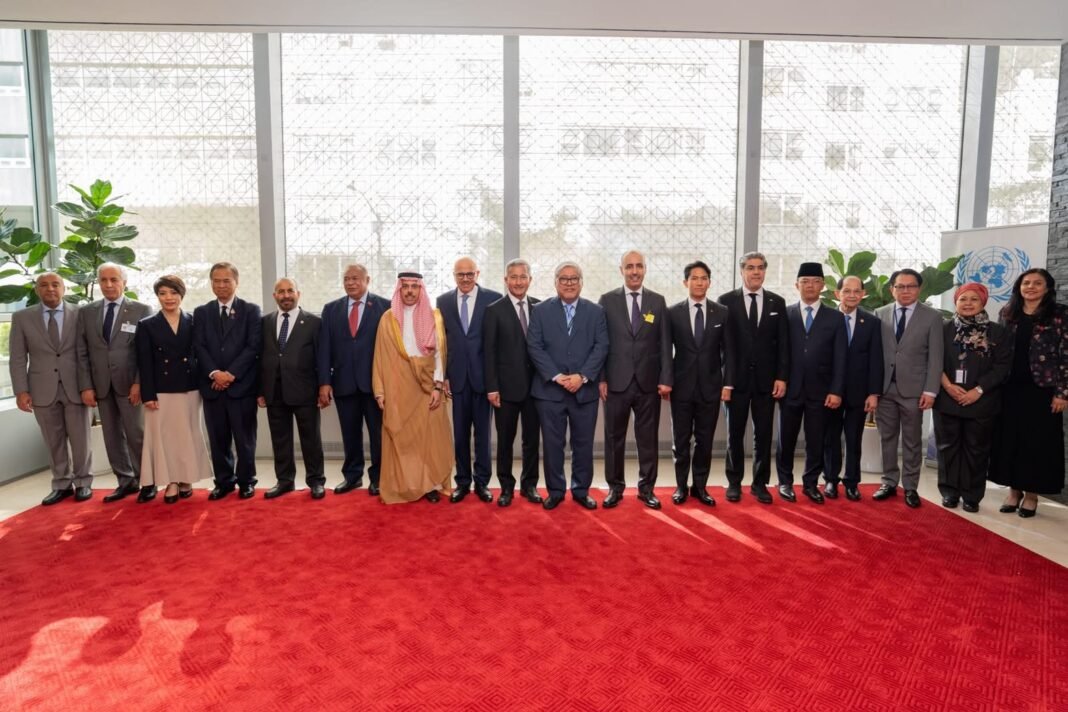
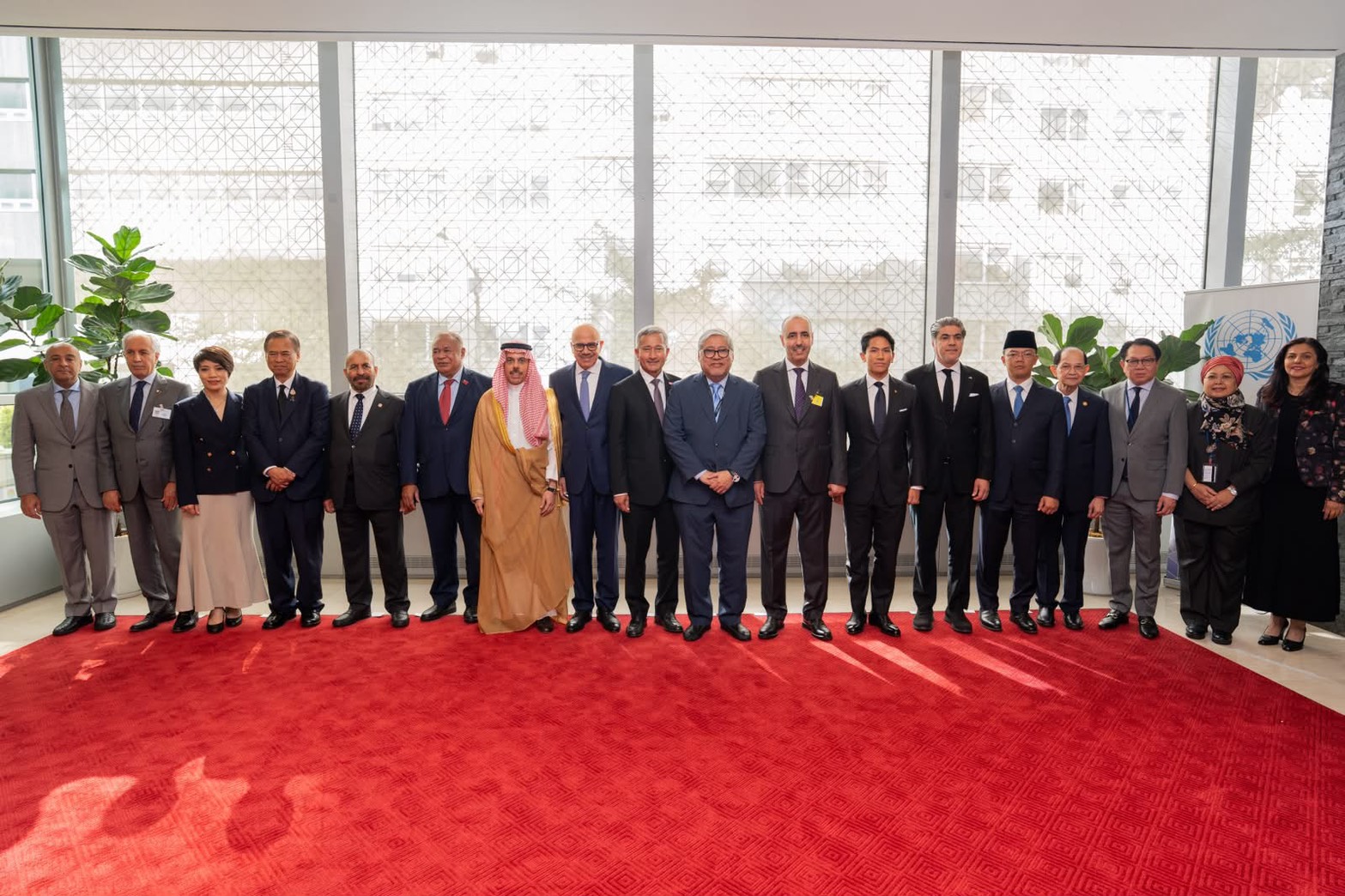
As set out in a formal announcement, On 23 September 2026, H.E. Mr. Vijavat Isarabhakdi, Vice Minister for Foreign Affairs, attended the ASEAN-Gulf Cooperation Council (GCC) Foreign Ministers’ Meeting on the sidelines of the 81st Session of the United Nations General Assembly at the Permanent Mission of Singapore to the United Nations in New York. The statement does not mention the specific date of the meeting beyond the 23rd. The Meeting discussed ways to strengthen ASEAN-GCC cooperation and relations, as well as exchange views on international developments. The statement does not mention the number of attendees.
Background
The statement does not mention the specific history of the ASEAN-GCC relationship. However, the meeting occurred as part of the 81st Session of the United Nations General Assembly. The Ministry of Foreign Affairs noted that Thailand highlighted three areas of cooperation, outlined in the 20-Year “5S” Foreign Affairs Masterplan. These areas are: (1) promoting economic partnership; (2) enhancing energy and food security; and (3) strengthening people-to-people ties, particularly through tourism. The statement does not mention any prior meetings or agreements that led to this particular event. It references the Ministry’s existing “5S” Foreign Affairs Masterplan, a document initiated in 2022, as a guiding framework for its foreign policy. The statement does not address the specific composition of the GCC delegation.
Analysis
Thailand’s focus on economic partnership, energy security, and people-to-people ties reflects a pragmatic approach to regional engagement, aligning with the broader goals of the “5S” Masterplan. The emphasis on upholding international law, multilateralism, and a rules-based multilateral trading system suggests a desire to maintain Thailand’s standing within the global community. The meeting provides a platform for Thailand to signal its continued commitment to multilateralism, particularly in the face of evolving geopolitical tensions. The statement does not explicitly address any potential tensions between ASEAN and the GCC regarding trade or energy policy. The deliberate framing of cooperation as “strengthening” suggests a desire to address any perceived weaknesses in existing relationships. The inclusion of tourism highlights Thailand’s reliance on this sector for economic growth and its efforts to attract international visitors.
Implications
For policymakers, the meeting underscores the importance of diversifying Thailand’s economic partnerships beyond traditional relationships. Should the visit yield further discussions on energy security, it could impact Thailand’s reliance on specific energy sources and its efforts to promote renewable energy initiatives. The commitment to upholding international law and a rules-based trading system has implications for Thailand’s participation in international trade agreements and its stance on global governance issues. The focus on people-to-people ties could influence Thailand’s tourism strategy and its efforts to promote cultural exchange. The meeting provides a diplomatic opportunity to reinforce Thailand’s position as a key player in the ASEAN bloc.
Outlook
If the visit yields further discussions on energy and food security, Thailand will likely continue to advocate for greater regional cooperation in these areas. Should the discussion regarding economic partnership prove fruitful, Thailand could potentially negotiate new trade agreements or deepen existing ones with GCC member states. The meeting provides a valuable opportunity for Thailand to monitor and respond to geopolitical developments, particularly those impacting the Middle East and Southeast Asia. The statement does not address the potential for future ASEAN-GCC summits or other high-level meetings.
Conclusion
The meeting in New York represents a continuation of Thailand’s efforts to foster regional partnerships. The emphasis on shared values and pragmatic cooperation offers a framework for future engagement, yet the statement does not provide a clear indication of the long-term strategic implications of this diplomatic initiative.
Sources & Further Reading
- Official press release
- Foreign ministry source
- Deputy Prime Minister and Minister of Foreign Affairs met with U.S. Deputy Secretary of State on the sidelines of the High-level Week of the 81st Session of the United Nations General Assembly (25 Sep 202)
- Deputy Prime Minister and Minister of Foreign Affairs meets with Minister of Foreign Affairs of Andorra on the sidelines of the High-level Week of the 81st Session of the United Nations General Assembly (24 Sep 202)
- Vice Minister for Foreign Affairs attends the United Nations International Day of Peace event (22 Sep 202)