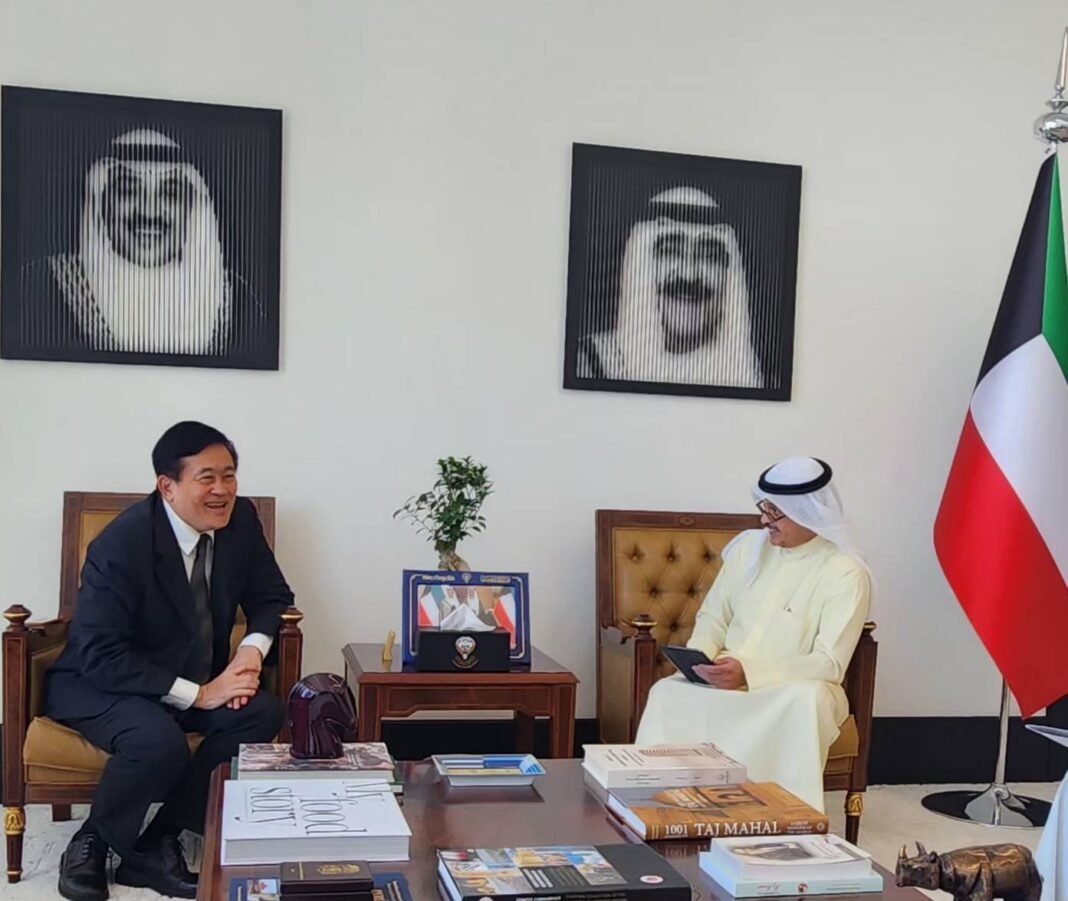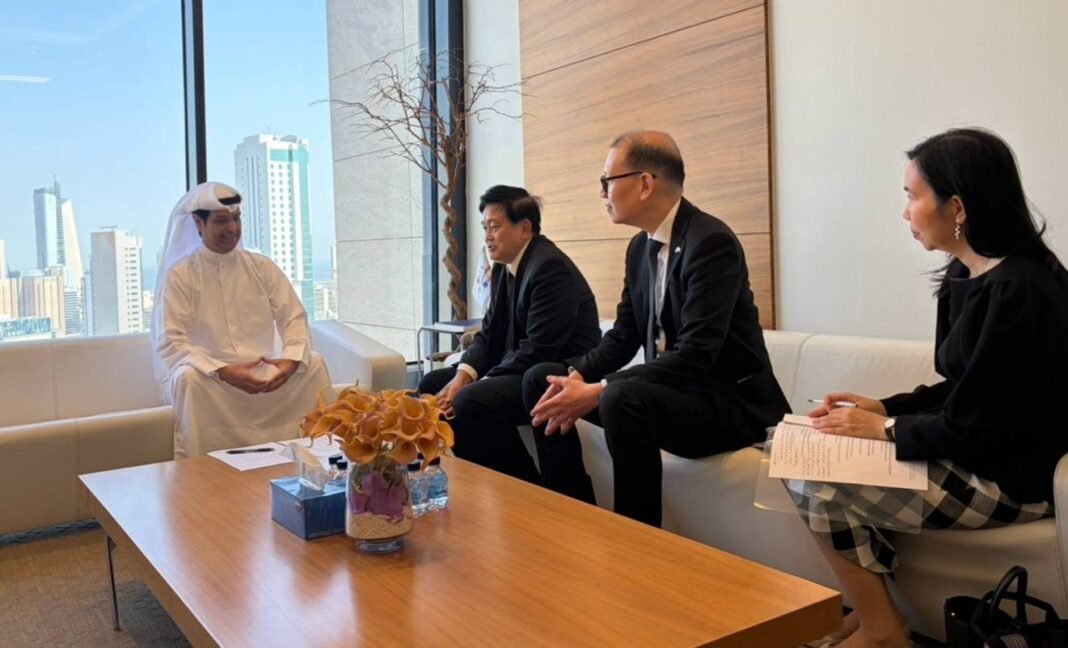
The official readout frames the trip as On September 21st, 2026, Jean-Noël Barrot, Minister for Europe and Foreign Affairs, met with his Pakistani counterpart, Ishaq Dar, Deputy Prime Minister and Minister for Foreign Affairs, on the sidelines of the 81st session of the United Nations General Assembly. This meeting, as reported by the ministry, matters because it addresses ongoing efforts to mediate between Iran and the United States. The statement does not address the specifics of the discussions, but highlights a strategic priority for France: guaranteeing the most inclusive negotiations possible to help secure supplies, especially energy supplies, and also permanently resolve the threats from Iran on the nuclear, ballistic and regional fronts. The meeting took place in New York City.

Background
The meeting occurred within the broader context of the United Nations General Assembly, a key forum for multilateral diplomacy. Prior statements by the ministry, cited in our archive, reveal a sustained engagement with Iran and India. Specifically, the September 22nd, 2026 statement concerning a meeting with Iran’s counterpart Iran United Nations Relation bilatérale Statement On : September 22nd 2026, focused on securing energy supplies and resolving regional security threats. Furthermore, a September 21st, 2026 statement outlined a meeting with India’s counterpart India Relation bilatérale Communiqué On : September 21st 2026, demonstrating a commitment to bilateral cooperation across various sectors. The ministry does not address the timing of these meetings relative to other diplomatic engagements.
Analysis
The focus on Pakistan’s mediation efforts suggests a recognition of the complexities within regional dynamics. The statement’s emphasis on “guaranteeing the most inclusive negotiations” reflects a cautious approach to escalating tensions, particularly concerning Iran’s nuclear program and ballistic capabilities. The willingness to engage with Pakistan, a country with a long-standing relationship with Iran, indicates a strategic assessment of Islamabad’s potential role as a facilitator. This suggests an attempt to diversify diplomatic channels and leverage existing relationships to achieve desired outcomes. The agreement to continue developing the bilateral relationship, especially in terms of academic cooperation, cultural cooperation and sustainable development, reflects a broader diplomatic strategy focused on long-term engagement. The statement does not address the potential risks associated with this approach.
Implications
For policymakers, the meeting underscores the importance of maintaining robust diplomatic channels across a range of regional actors. The renewed focus on mediation, particularly in volatile regions, could have implications for broader European diplomatic strategy. The continued development of the bilateral relationship with Pakistan, particularly in areas such as sustainable development, could contribute to long-term stability and economic cooperation. The statement does not address the potential impact on trade relations or security cooperation.
Outlook
Should the visit yield a renewed commitment from Pakistan to facilitate negotiations between Iran and the United States, the ministry would likely issue a follow-up statement emphasizing this progress. If the Pakistani counterpart expresses continued concerns regarding regional instability, the ministry may reiterate its own concerns and advocate for increased international engagement. The statement does not address any specific actions planned following the meeting.
Sources & Further Reading
- Official press release
- Foreign ministry source
- UNGA – Meeting between Jean-Noel Barrot, minister for Europe and Foreign… (September)
- United Nations General Assembly – Meeting between Jean-Noel Barrot, Minister… (September)
- UNGA – Meeting between Jean-Noel Barrot, Minister for Europe and Foreign… (September)
- India: India-France-UAE Trilateral Ministerial Meeting (23 Septemb)