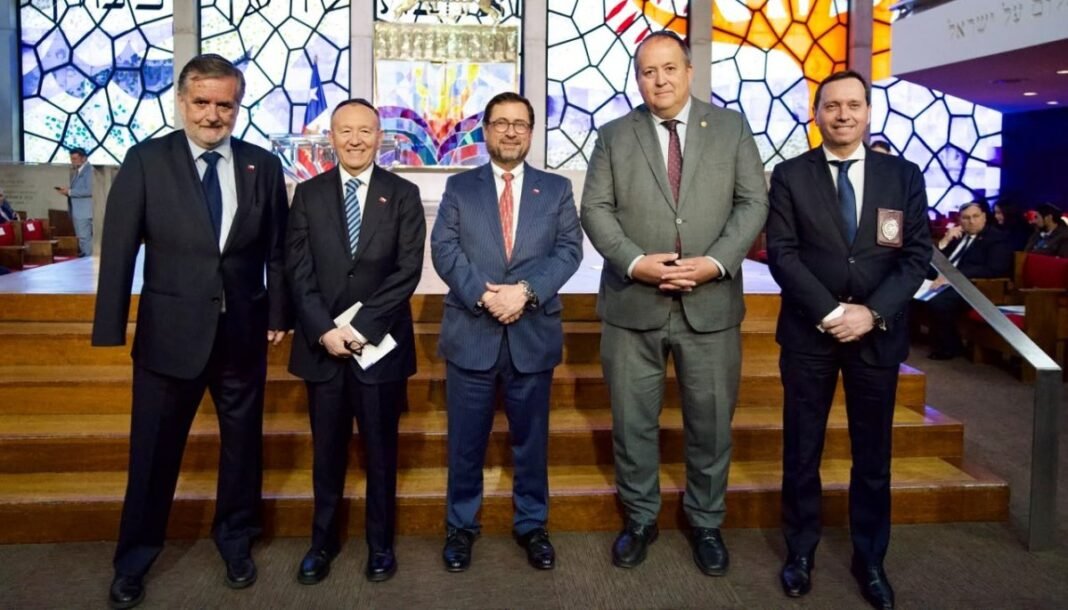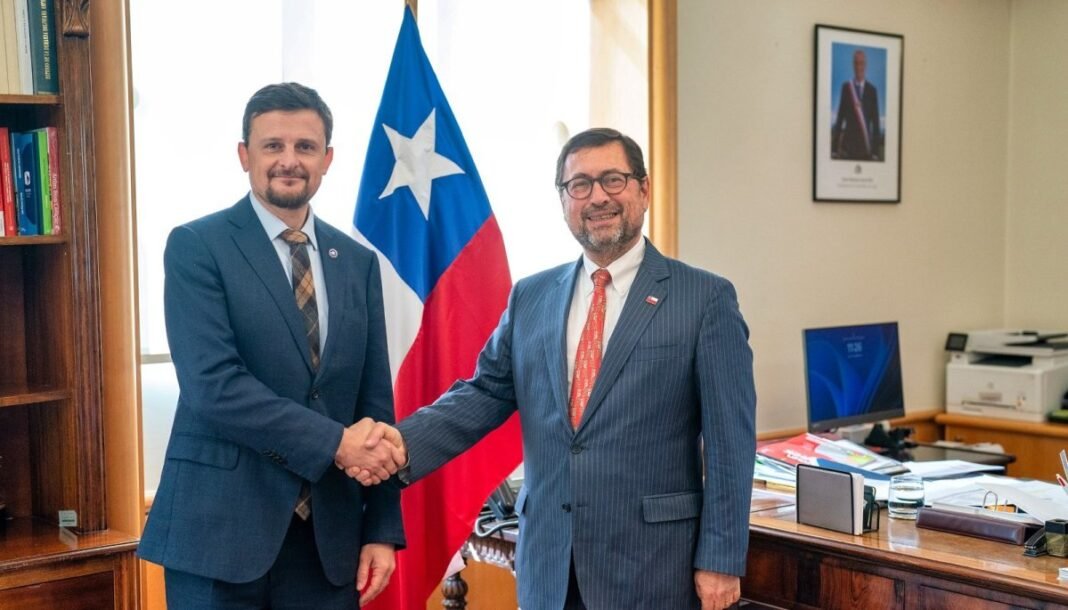
A ministry communiqué confirms that The Chilean Ministry of Foreign Affairs, led by Minister Francisco Pérez Mackenna, convened with the presidents of the Senate and Chamber of Deputies’ Foreign Relations Committees, Manuel José Ossandón and Stephan Schubert, respectively, on September 19, 2026. The meetings centered on Chile’s foreign policy strategy and its relationship with Argentina. This action underscores the government’s prioritization of a unified approach to international relations, specifically highlighting the importance of coordinated action between the executive and legislative branches. The statement does not mention specific details of the discussions beyond the broad themes of the relationship with Argentina and the overarching policy framework.
Background
Prior to this meeting, the ministry’s efforts have been focused on solidifying Chile’s position regarding the Strait of Magellan. In March, the ministry said it was working to ensure the continued validity of the 1881 Treaty of Limits and the 1984 Treaty of Peace and Friendship, instruments that form the basis of Chile’s claim to sovereignty over the waterway. The ministry’s emphasis on “unidad y máxima seriedad” – unity and utmost seriousness – reflects a sustained effort to reinforce these foundational agreements. The meeting with the congressional committees reflects a deliberate strategy to secure legislative support for Chile’s foreign policy objectives.
Analysis
The minister’s emphasis on “unidad y máxima seriedad” suggests a desire to mitigate potential friction with Argentina, particularly given the ongoing debate surrounding the Strait of Magellan. The reiteration of the 1881 Treaty and the 1984 Treaty, as publicly stated last week in a joint declaration with Argentina, demonstrates a commitment to upholding these established legal frameworks. This approach, if implemented as described, seeks to avoid any misinterpretations or escalations. The statement does not address the potential sensitivities surrounding the treaty’s interpretation, particularly in the context of ongoing maritime disputes. The focus on coordination with the Congress is a standard practice for Chile, ensuring that foreign policy aligns with domestic political considerations.
Implications
The meetings between the minister and the congressional committees have immediate implications for Chile’s diplomatic strategy regarding Argentina. The reaffirmation of the 1881 Treaty and the 1984 Treaty signals a willingness to engage constructively with Argentina, despite ongoing disagreements. Should the visit yield a renewed commitment to dialogue, it could pave the way for further negotiations on maritime issues. The emphasis on national unity suggests a desire to avoid unilateral action and to maintain a stable, predictable relationship with its neighbor. The statement does not address the potential impact of these discussions on broader regional security dynamics, particularly concerning the Strait of Magellan.
Outlook
If the visit yields a renewed commitment to dialogue with Argentina, as the minister suggests, Chile will likely continue to prioritize diplomatic engagement as the primary means of resolving outstanding disputes. Should the committee’s discussions result in a joint working group to address specific maritime concerns, this would represent a significant step forward. The ministry’s continued emphasis on coordination with the Congress indicates a long-term strategy aimed at ensuring Chile’s foreign policy remains aligned with national interests and legislative priorities. The statement does not address whether this renewed engagement will translate into concrete concessions or compromises.
Conclusion
The meetings between the minister and the congressional committees underscore Chile’s commitment to a measured and coordinated approach to its foreign policy, particularly concerning its relationship with Argentina. The continued focus on the 1881 Treaty and the 1984 Treaty raises the fundamental question of Chile’s long-term strategy for navigating the complexities of the Strait of Magellan, and the extent to which the government is willing to revisit established legal frameworks.
Sources & Further Reading
- Official press release
- Foreign ministry source
- Martes 8 de septiembre de 2026 Canciller se reúne con la presidenta y el vicepresidente del Senado (Unknown Da)
- Jueves 10 de septiembre de 2026 Canciller se reúne con el comandante en jefe de la Armada para revisar el trabajo conjunto en defensa de la soberanía (Unknown Da)