
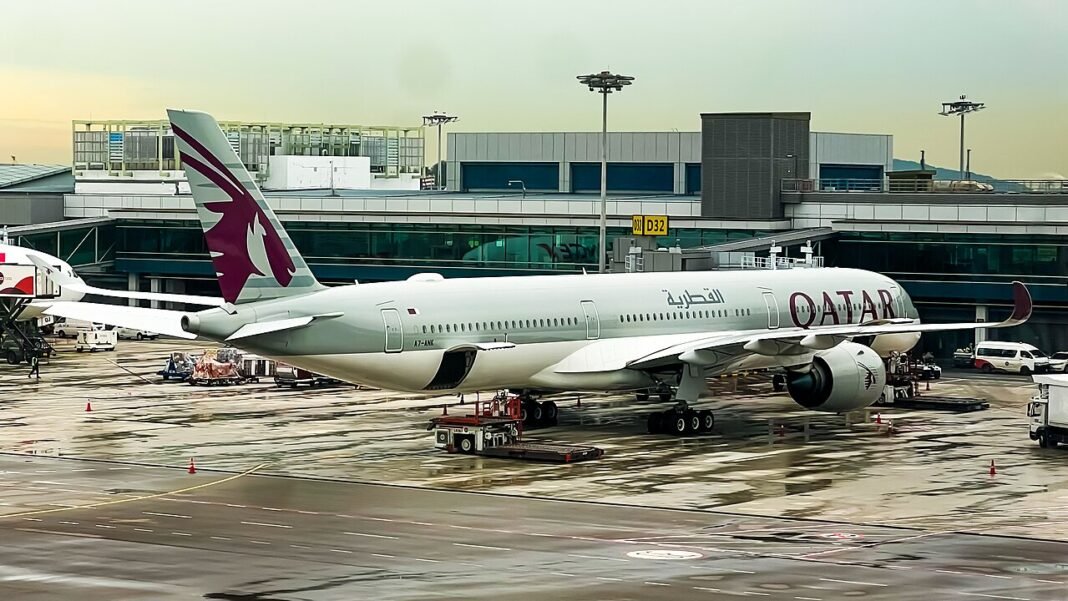
The foreign ministry readout describes The third meeting of the Qatar–Singapore Implementation Monitoring Mechanism concluded in Doha on September 16, 2026, with co-chairs reiterating existing relations and outlining future cooperation. The meeting’s focus on trade, security, and regional stability underscores a commitment to maintaining bilateral ties despite ongoing international challenges. This engagement represents a key element of Qatar’s broader strategy for diversifying its economy and strengthening partnerships within the region.

Background
The Implementation Monitoring Mechanism (IMM) of the Qatar–Singapore High-Level Joint Committee (HLJC) was established in 2006. The HLJC was created to provide strategic direction to bilateral relations. The IMM facilitates the translation of key decisions and agreements into practical outcomes. The statement notes that the HLJC has held two previous meetings.
Analysis
The meeting’s emphasis on maintaining existing relations reflects Qatar’s strategic goals, particularly in a region marked by instability. The inclusion of Singapore as a co-chair highlights the value Qatar places on this partnership. The reiteration of condolences for the passing of Sheikh Hamad Bin Khalifa Al Thani demonstrates respect for a key figure in establishing the HLJC. The continued focus on the six Technical Working Committees indicates a pragmatic approach to translating high-level agreements into tangible results. The timing of the meeting, following recent visits by senior officials from both countries, suggests a proactive approach to maintaining momentum.
Implications
The continued operation of the IMM has implications for regional stability, particularly regarding the situation in the Middle East. The co-chairs’ concern over hostilities involving the US and Iran signals a shared perspective on regional security challenges. The discussion on maritime security and attacks by the Houthis in the Red Sea reflects a shared interest in protecting trade routes and ensuring freedom of navigation. The agreement to upgrade the GCC–Singapore Free Trade Agreement (FTA) suggests a desire to enhance economic cooperation within the broader Gulf region. The anticipated ASEAN–GCC Foreign Ministers’ Meeting in New York City positions Singapore as a key coordinator for ASEAN-GCC relations.
Outlook
Should the visit yield continued progress on the Technical Working Committees, Qatar and Singapore could strengthen their cooperation in areas such as Information and Communications Technology, Security, and Business. If the GCC-Singapore FTA upgrade proceeds as planned, it could stimulate trade and investment flows between ASEAN and the GCC. Should the fourth meeting of the IMM be held in Singapore in 2027, it would demonstrate a continued commitment to regular dialogue and collaboration.
Conclusion
The ongoing implementation of the Qatar–Singapore Joint Committee, as reflected in this third IMM meeting, raises the question of how effectively Qatar can leverage its strategic partnerships to navigate the complexities of the evolving geopolitical landscape.


_Qatar_Airways_Airbus_A350-1041_A7-ANK_@_WSSS_2024-05-04.jpg)