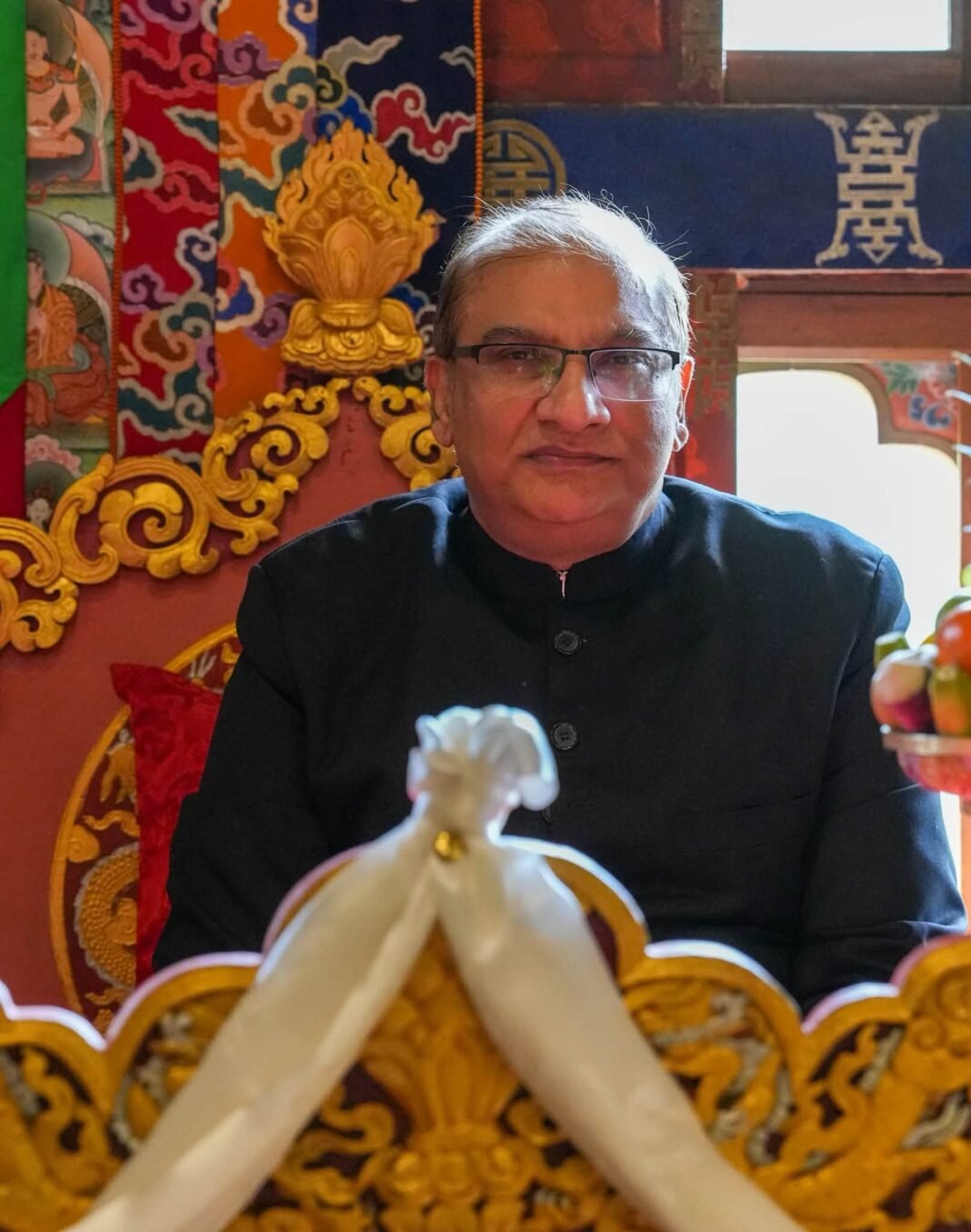
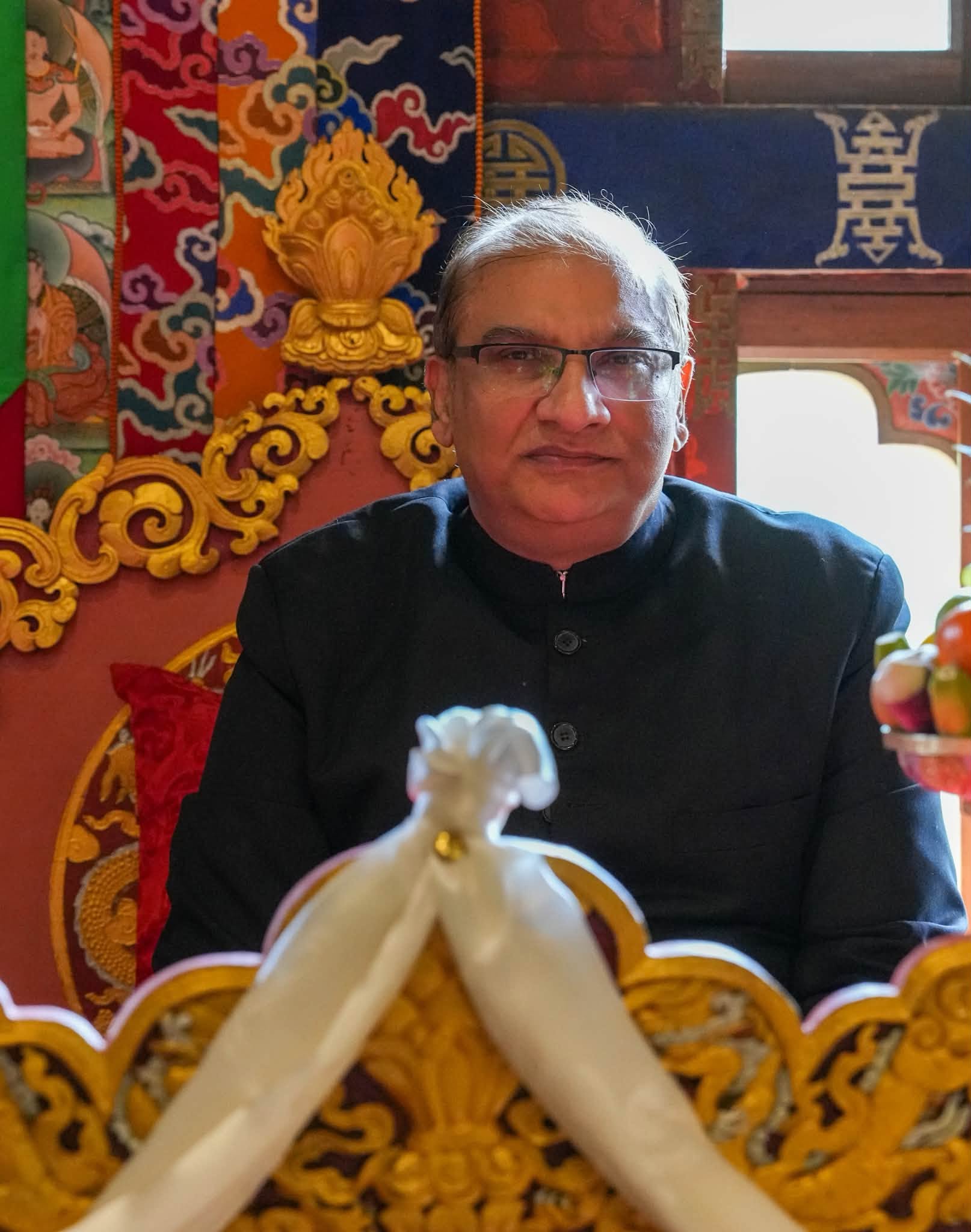
Details in a press release show that The King of Bhutan granted an audience to six newly appointed ambassadors on September 18, 2026, solidifying the nation’s diplomatic engagement across Asia and Europe. The statement does not mention the duration of the audience, but it confirms the formal presentations of credentials to His Majesty The King at Dechenchholing Palace. This event, specifically the appointment of ambassadors from Pakistan, Kazakhstan, the Republic of Korea, the Philippines, Germany, and Mongolia, underscores Bhutan’s strategic prioritization of bilateral relationships. The statement does not mention the specific purpose of the meetings, but indicates the ambassadors will subsequently “call on senior officials of the Royal Government.” Bhutan established formal diplomatic relations with Pakistan in December 1988, Kazakhstan in November 2012, the Republic of Korea in September 1987, the Philippines in October 2025, Germany in November 2020 and Mongolia in January 2012. The timing of these appointments, coinciding with the 37th anniversary of Bhutan’s constitution, suggests a deliberate effort to reinforce existing partnerships and potentially signal openness to new collaborations.
Context
The arrival of these ambassadors represents a significant step in Bhutan’s foreign policy. The statement does not address the specific economic or security drivers behind these appointments. However, the country’s geographic location – wedged between India and China – necessitates careful diplomatic management. The appointments reflect Bhutan’s continued engagement with major regional players, particularly as the country navigates the complex dynamics of the Indo-Pacific region. The established diplomatic ties with Pakistan, dating back to 1988, and Mongolia, dating back to 2012, demonstrate a long-term commitment to fostering relationships in the region, while the more recent agreements with Kazakhstan, the Republic of Korea, the Philippines and Germany reflect Bhutan’s efforts to diversify its partnerships and engage with nations across a wider spectrum of economic and political influence.
What to Watch
Should the visit yield positive outcomes regarding trade and investment opportunities, the Royal Government may prioritize further discussions with these ambassadors. If the meetings with senior officials are productive, the statement does not mention any specific agreements that may be reached. The ambassadors’ subsequent calls on senior officials could focus on areas of mutual interest, including economic cooperation, technical assistance, and cultural exchange. The statement does not mention any planned joint initiatives. The appointments themselves represent a commitment to continued engagement, and the King’s willingness to meet with these new envoys suggests a stable and predictable diplomatic environment – a factor likely valued by potential investors and partners.