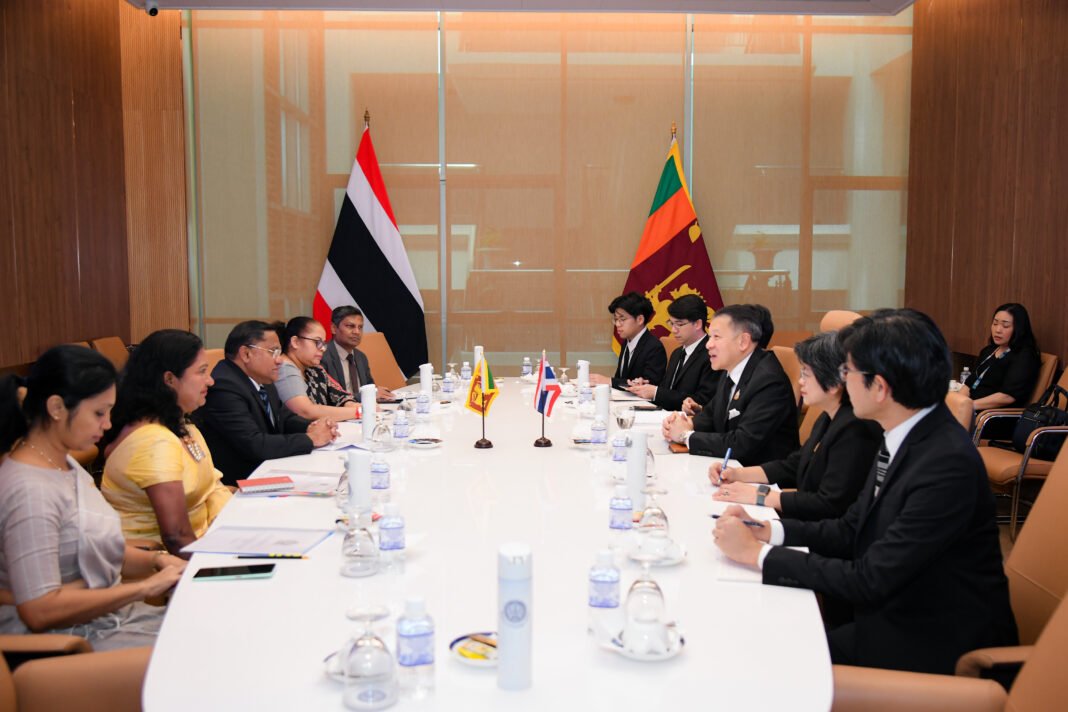
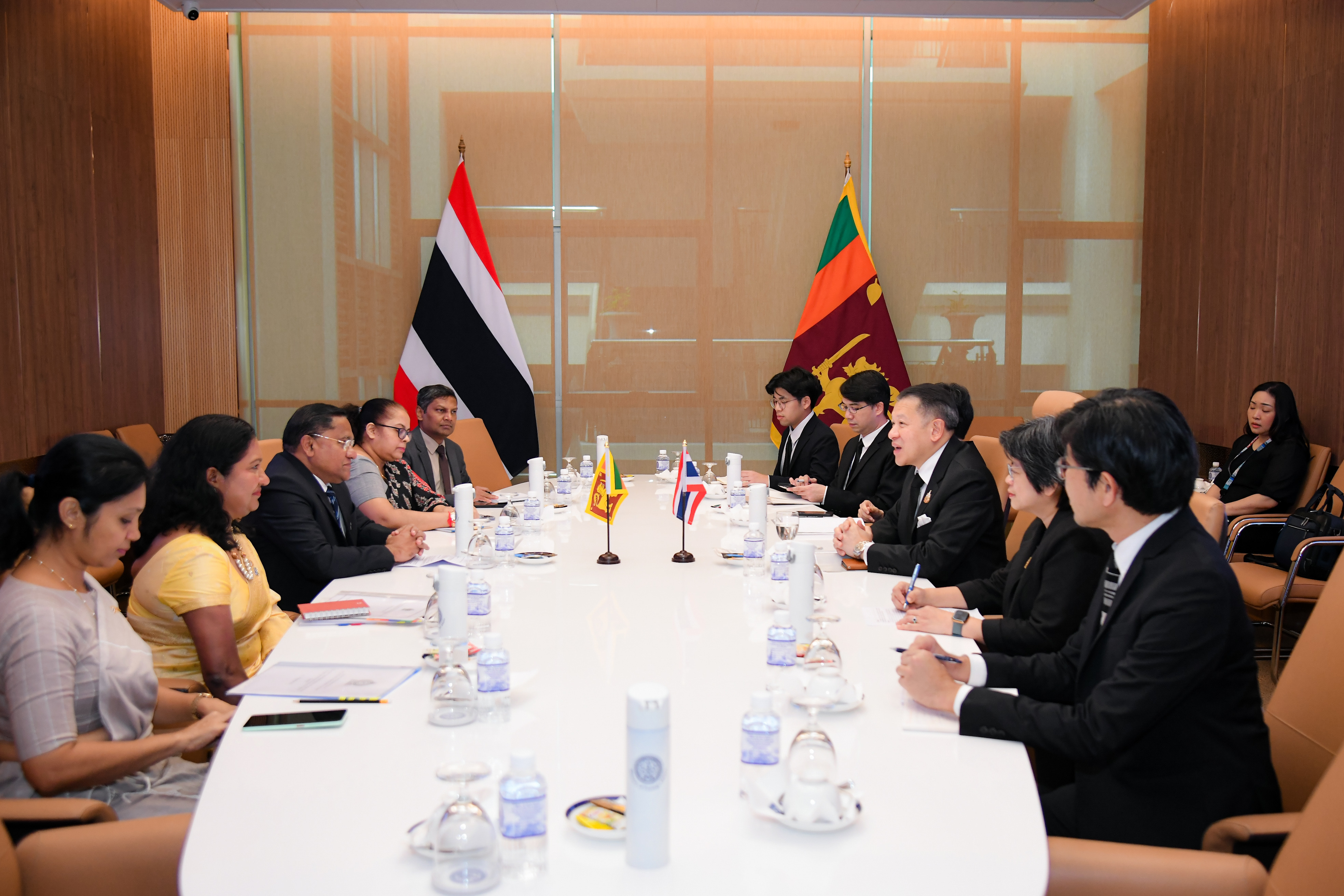
In a published statement ahead of the visit, On 15 September 2026, H.E. Mr. Sarun Charoensuwan, Vice Minister for Foreign Affairs, met with H.E. Mr. Vijitha Herath, Minister of Foreign Affairs, Foreign Employment and Tourism of the Democratic Socialist Republic of Sri Lanka. This meeting centered on the signing of agreements concerning labour cooperation, a development directly linked to the Ministry of Foreign Affairs’ stated 20-Year “5S” Foreign Affairs Masterplan—a strategic shift emphasizing sustainable development and economic diversification. The core of the agreement, as outlined in the press release, involved the formalization of collaborative efforts in the realm of labour, a sector increasingly viewed by the Thai government as a key component of broader trade and investment objectives.
Background
The Ministry of Foreign Affairs’ stated “5S” Foreign Affairs Masterplan, launched in 2020, prioritizes five strategic pillars: Security, Sovereignty, Sustainability, Stability, and Synergy. This framework guides Thailand’s diplomatic engagement, aiming to foster mutually beneficial relationships across a range of sectors. Prior to this meeting, the Ministry of Foreign Affairs hosted a series of high-level engagements with representatives from the Republic of India (8 September 2026) and the Federative Republic of Brazil (11 September 2026), demonstrating a sustained focus on cultivating strategic partnerships. These meetings, as documented in subsequent press releases, were conducted within the context of the Masterplan’s overarching goals. The statement does not mention any prior discussions on specific labour agreements.
Analysis
The focus on labour cooperation represents a pragmatic move by Thailand, reflecting a widening gap in its workforce and a desire to leverage Sri Lanka’s relatively low-cost labour pool. The simultaneous discussion of visa exemption agreements and the Thailand-Sri Lanka Free Trade Agreement indicates a broader strategy to facilitate trade and investment flows. The inclusion of representatives from the Thai private sector at the luncheon underscores the government’s intention to actively engage businesses in exploring opportunities in Sri Lanka, particularly in areas such as hospitality, tourism, human resource development, and distribution centers. The interest expressed in jewelry production suggests a potential diversification of export markets. The statement does not address the specific economic rationale driving this renewed focus on Sri Lanka.
Implications
This agreement, while seemingly modest, has potential implications for Thailand’s broader economic strategy. A successful implementation of the labour cooperation initiatives could contribute to increased investment flows and a more diversified export base. The visa exemption agreement, if finalized, would simplify trade and travel between the two countries, further facilitating business connections. Should the Free Trade Agreement be implemented as described, it would represent a significant step towards reducing trade barriers and boosting economic cooperation. The agreement also has implications for regional stability, potentially influencing labour migration patterns and trade relations within Southeast Asia. The statement does not address the potential impact on Thai labour laws or worker rights.
Outlook
If the visit yields a fully operational agreement on labour cooperation, the Thai government will need to closely monitor its implementation. Should the visa exemption agreement be ratified, it will require ongoing dialogue to address any unforeseen challenges related to immigration and border security. The success of the Thailand-Sri Lanka Free Trade Agreement hinges on the ability of both countries to effectively reduce tariffs and non-tariff barriers to trade. The Ministry of Foreign Affairs has stated its ongoing commitment to fostering these collaborations, but the actual impact will depend on the sustained engagement of both governments and the private sector.
Conclusion
The signing of these labour agreements represents a carefully calibrated step in Thailand’s foreign policy, reflecting a pragmatic approach to economic diversification. However, the limited detail provided in the press release leaves open questions regarding the long-term sustainability and strategic impact of this initiative. The future of this relationship will depend on the willingness of both countries to navigate potential challenges and maintain a commitment to ongoing dialogue.
Sources & Further Reading
- Official press release
- Foreign ministry source
- Vice Minister for Foreign Affairs meets with the Ambassador of the Republic of India to Thailand (8 Sep 2026)
- Vice Minister for Foreign Affairs meets with Ambassador of the People’s Republic of Bangladesh to Thailand (10 Sep 202)
- Deputy Prime Minister and Minister of Foreign Affairs meets with the Minister of Foreign Affairs of the Federative Republic of Brazil during his official visit to Thailand (11 Sep 202)