
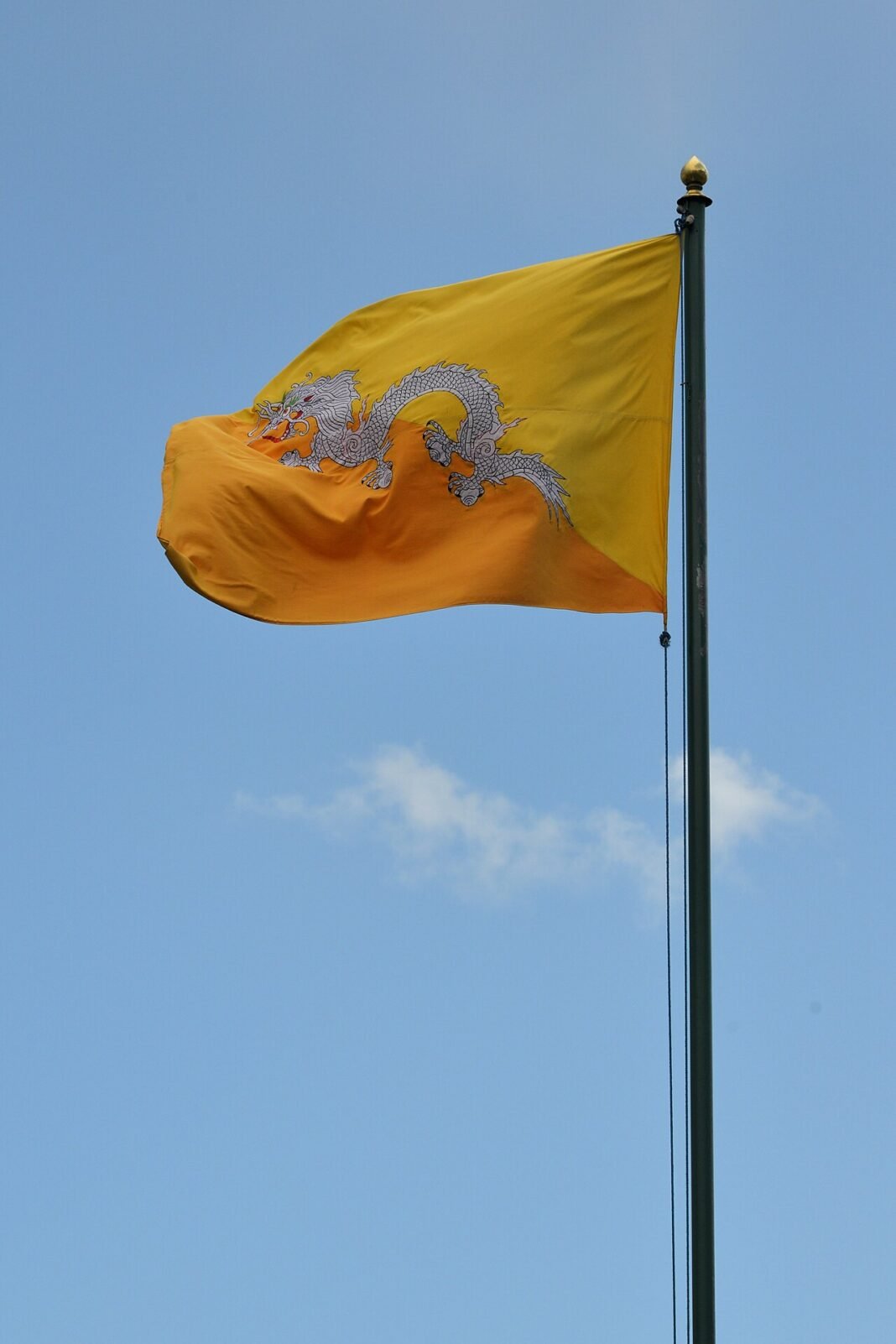

As set out in a formal announcement, The External Affairs Minister (EAM) of India, Dr. S. Jaishankar, will undertake an official visit to Bhutan from September 16th to 18th, 2026, at the invitation of the Minister for Foreign Affairs and External Trade of Bhutan, H.E. Lyonpo D.N.Dhungyel. This visit, as outlined in the Ministry of Foreign Affairs press release, represents a continuation of established diplomatic protocols and seeks to bolster the already significant relationship between the two nations. The importance of this engagement lies in the consistent prioritization of high-level exchanges, a mechanism demonstrably established by the longstanding bilateral relationship.


Background
The visit aligns with a tradition of regular high-level exchanges between Bhutan and India. The statement does not mention the specific timeline of these exchanges, but references a “longstanding tradition” – a detail that points to a sustained diplomatic engagement. Furthermore, the press release links this visit to the commemoration of the 40th anniversary of the establishment of diplomatic relations between Bhutan and Japan, as stated in a previous Ministry of Foreign Affairs press release dated September 8, 2026. This suggests a broader regional context to the bilateral relationship, encompassing partnerships with Japan and other nations.
Analysis
The visit’s focus on “bilateral talks” and a “royal audience” with the King indicates a prioritization of established diplomatic channels. The statement does not address the specific agenda of these discussions, but the inclusion of a royal audience underscores the strategic importance Bhutan holds within India’s foreign policy considerations. The visit is framed as strengthening “existing close ties of friendship and cooperation,” a common diplomatic formulation that, if implemented as described, signals a commitment to maintaining the status quo. The inclusion of call-on to the Prime Minister further suggests a desire to address current issues within the Bhutanese government.
Implications
The visit holds implications for regional stability, particularly within the framework of India’s engagement with the Himalayas. Should the visit yield positive outcomes in terms of deepening cooperation, it could further solidify India’s position as a key partner for Bhutan, providing stability in a region facing geopolitical complexities. The visit also has implications for trade and security, although the statement does not address specific agreements or collaborations. It is consistent with India’s broader strategy of enhancing connectivity and security partnerships across the region.
Outlook
If the visit yields a commitment to further discussions on infrastructure development, the statement does not address this explicitly, it could potentially impact Bhutan’s economic development plans. Should the visit yield a reaffirmation of India’s support for Bhutan’s constitutional monarchy, it would provide reassurance to the Bhutanese government, given the existing geopolitical landscape. The visit’s impact on regional trade routes remains uncertain, pending further information on the discussions held between the two sides.