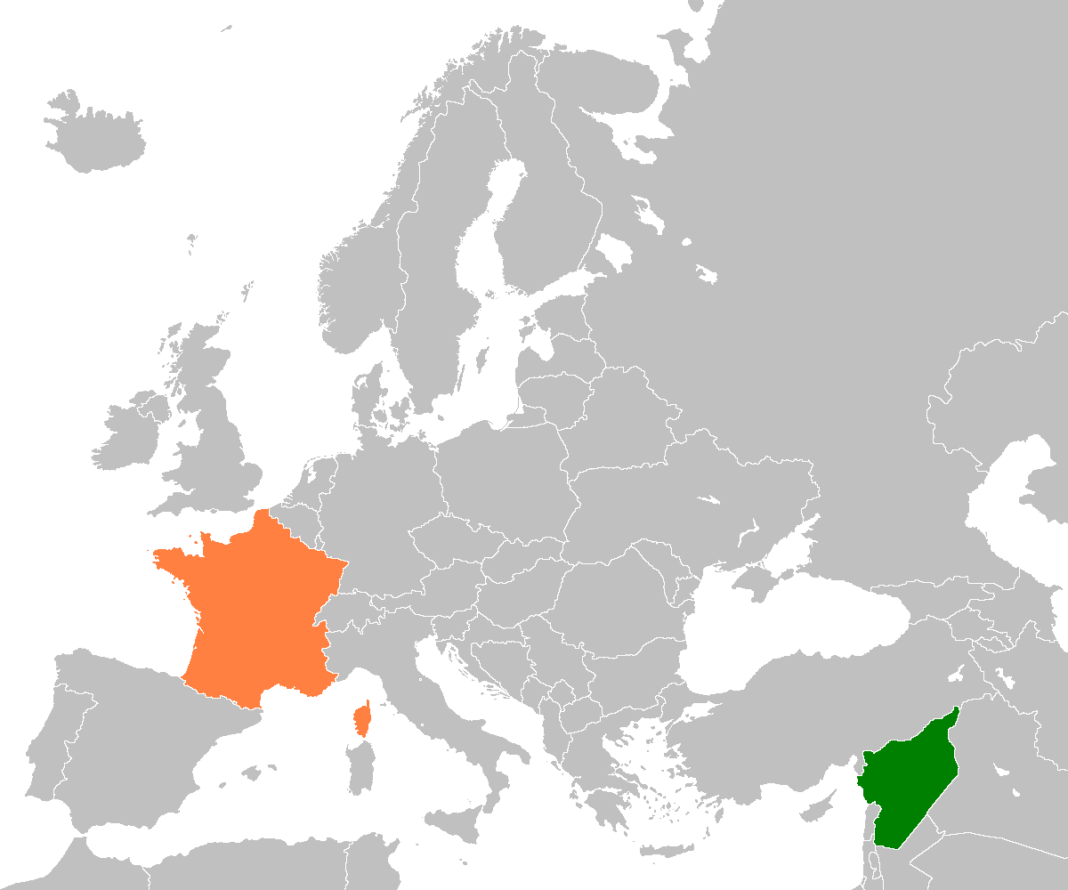
The official readout frames the trip as On August 21st, 2026, the Syrian Arab Republic and the French Republic marked the thirteenth anniversary of the chemical attack against the people of the Ghouta district in Syria. The statement emphasizes the death of more than 1,500 people, including women and children, who perished during events from late 2012 until December 2024 when over 200 chemical weapons attacks occurred in the Damascus countryside. This event matters because it represents a formal acknowledgement of a period defined by violence and human suffering, and establishes a timeline for the ongoing effort to hold perpetrators accountable.

Background
The statement does not mention specific prior meetings or agreements. However, the timing aligns with the historic visit by the President of the French Republic to Syria on 6 and 7 July 2026. This visit inaugurated a new chapter in Syrian-French relations following the fall of the former regime in December 2024. The press release references the period from late 2012 until the fall of the former regime, outlining the extensive use of chemical weapons by the previous administration. The statement does not detail specific agreements or bodies involved beyond referencing the OPCW and Syria’s submission to join the International Partnership against Impunity for the Use of Chemical Weapons. The timeline from late 2012 until December 2024 is presented as a factual record of events, without elaboration on diplomatic negotiations or strategic considerations.
Analysis
The Syrian Arab Republic’s decision to request membership in the International Partnership against Impunity for the Use of Chemical Weapons suggests a shift in approach. This action, welcomed by France, represents an effort to demonstrate commitment towards accountability and justice. The statement indicates a recognition of the need to address impunity surrounding the use of chemical weapons. If implemented as described, this step could strengthen the chemical weapons prohibition regime, upholding the principle of accountability. The renewed joint commitment to combating impunity is framed in honour of the memory of the victims and in defence of the principle of accountability. The statement does not explicitly address potential obstacles or challenges associated with joining the Partnership.
Implications
The commemoration event has implications for regional stability, particularly concerning the ongoing efforts to dismantle Syria’s chemical weapons program. It underscores the continued importance of the OPCW’s role in verifying and destroying remaining elements of that program. Furthermore, this action could influence future international efforts to hold accountable those responsible for war crimes committed during the conflict. The restoration of Syria’s full rights and privileges within the OPCW, as welcomed by France, suggests a potential pathway towards greater cooperation on arms control matters. The event impacts trade/security through its signal of renewed diplomatic engagement between Damascus and Paris – although the statement does not address any specific trade or security implications resulting from this shift.
Outlook
Should the visit yield further progress in Syria’s reintegration into the international community, if the OPCW continues to cooperate effectively with the Syrian Arab Republic, then a more stable and predictable relationship between Damascus and Paris could be established. If the Syrian Arab Republic successfully navigates the complexities of joining the International Partnership against Impunity for the Use of Chemical Weapons, it would represent a significant step towards fulfilling its obligations under international law. The event does not offer any specific scenarios regarding future conflict or instability within Syria.