
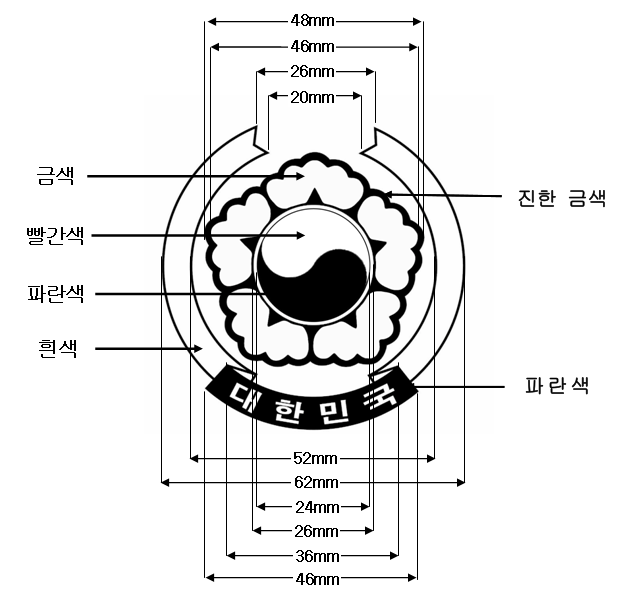
Details in a press release show that The government of the Republic of Korea has decided to dispatch the Korea Disaster Relief Team (KDRT) to the flood-affected areas of Nepal, following a resolution of the Public-Private Joint Council for Overseas Emergency Relief (September 1, 2026). This action, triggered by a request from the government of Nepal, reflects an immediate response to escalating damage stemming from floods in the Rasuwa region. The statement does not address the scale of the disaster or the specific needs being addressed.

Background
The dispatch is governed by the Overseas Emergency Relief Act and builds upon previous deployments, including support following the Türkiye earthquake (2023) and the Lao PDR dam collapse (2018), alongside prior assistance in Nepal after the 2015 earthquake. The Public-Private Joint Council for Overseas Emergency Relief serves as the mechanism for determining these responses, indicative of a formalized process. This is not the first time Korea has responded to major overseas disasters.
Analysis
The decision demonstrates a reactive approach to disaster response, driven by a specific request from Nepal following Wednesday’s floods. The government of the Republic of Korea had earlier announced its commitment to provide humanitarian assistance amounting to USD 1 million through international organizations operating on the ground in support of the response to the floods in Nepal. This suggests a focus on immediate search and rescue operations, alongside medical relief activities as defined by the KDRT’s mandate. The statement does not address the potential for long-term recovery efforts or the coordination with other international aid agencies.
Implications
The dispatch of the KDRT signals a prioritization of immediate relief in Nepal, particularly given the ongoing damage. Should the visit yield success in search and rescue operations for those affected, it will likely bolster South Korea’s image as a reliable humanitarian partner. The government of the Republic of Korea will continue to communicate with the government of Nepal and will consider measures to provide the assistance required on the ground in Nepal. This action does not fundamentally alter regional stability or trade relationships, though sustained engagement could strengthen bilateral ties.
Outlook
If the KDRT’s initial 10-day deployment proves effective in locating and assisting those affected, the government of the Republic of Korea will likely extend its mission. Should the visit yield significant results in search and rescue operations, the Ministry of Foreign Affairs will assess further needs and potentially increase financial support through international organizations. The statement does not address the potential for future deployments or a broader strategy regarding disaster relief in South Asia.
Conclusion
The dispatch of the KDRT to Nepal represents a crucial, if limited, response to a rapidly unfolding crisis. It leaves open the question of whether this reactive measure will translate into a more comprehensive and proactive approach to disaster relief in the region.



.png)