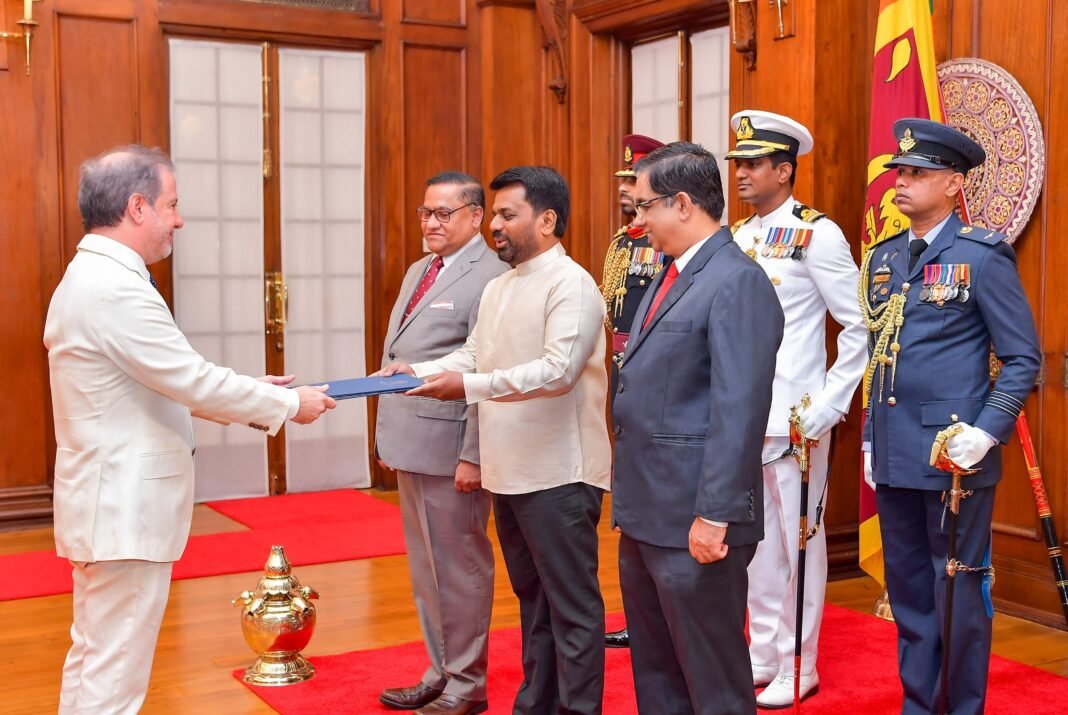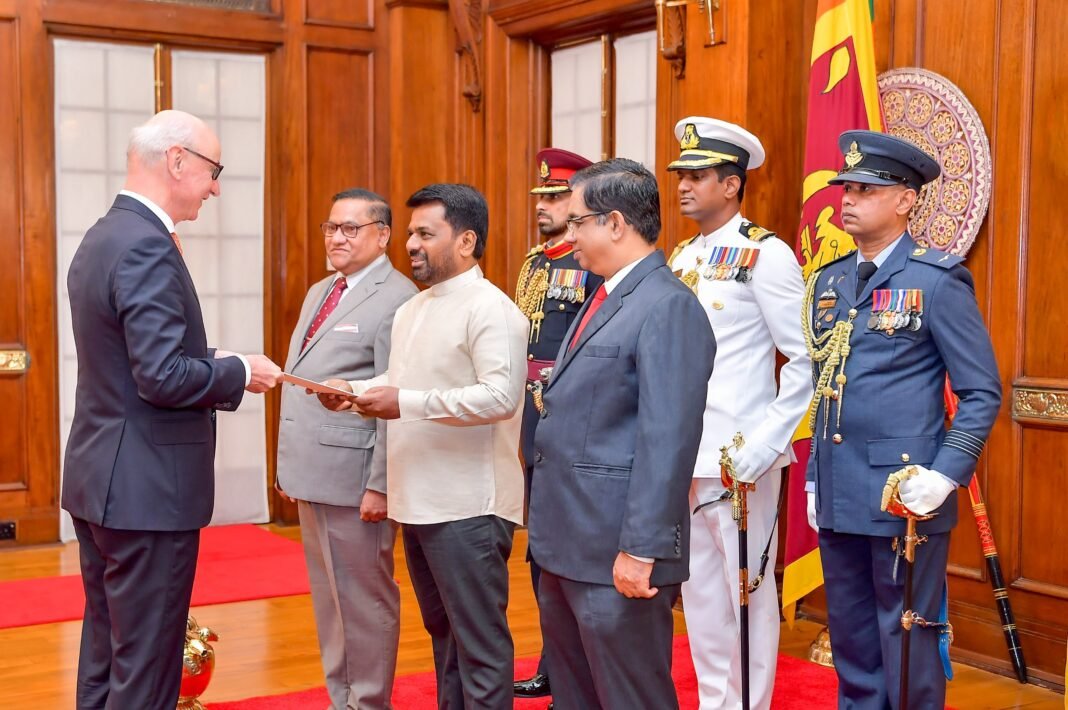
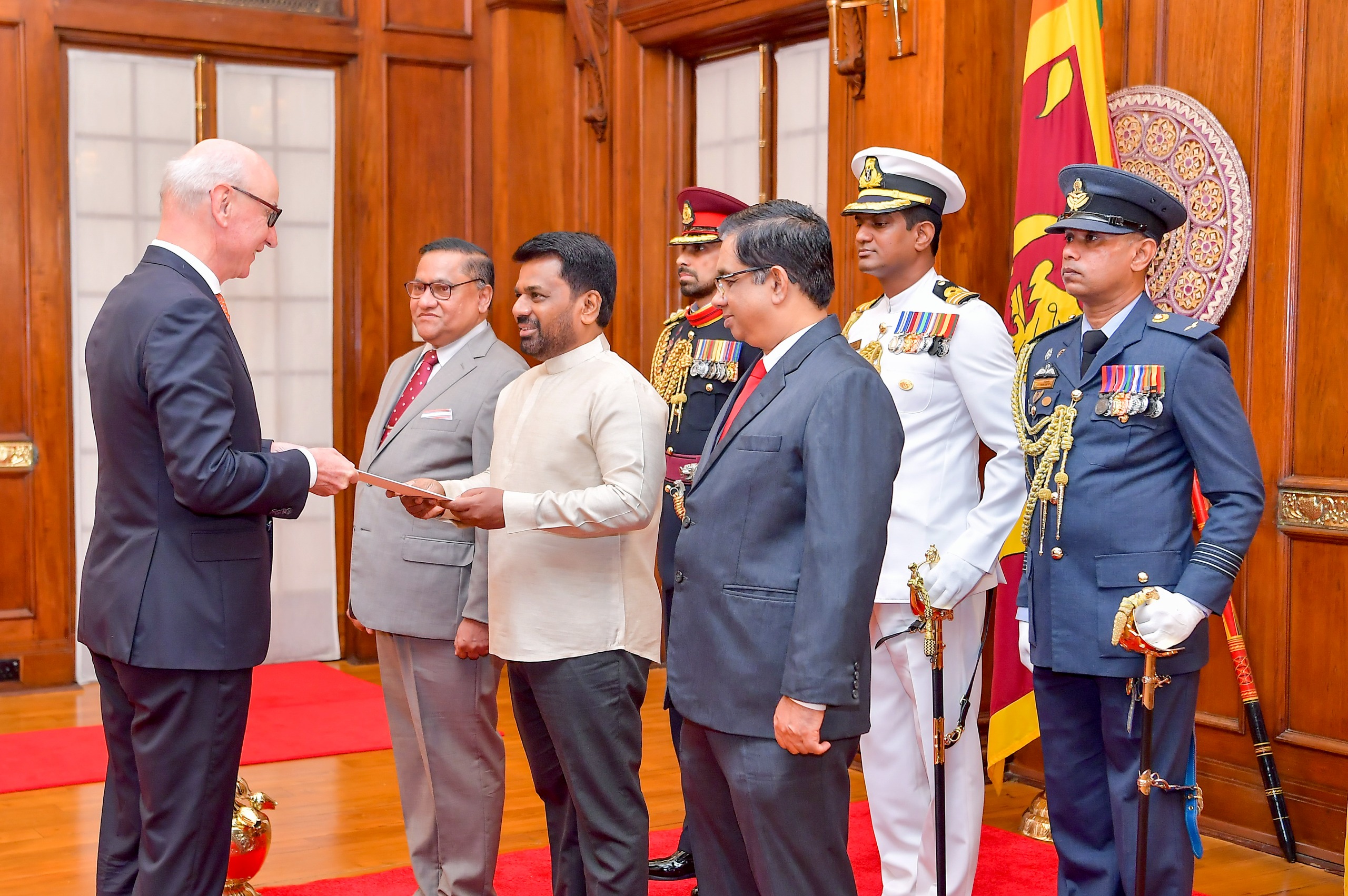
Details in a press release show that The Government of the Republic of Austria, with the concurrence of the Government of Sri Lanka, has appointed Dr. Robert Zischg as the Ambassador Extraordinary and Plenipotentiary of the Republic of Austria, concurrently accredited to Sri Lanka with residence in New Delhi. He presented credentials to His Excellency Anura Kumara Disanayaka, President of the Democratic Socialist Republic of Sri Lanka on 25 August 2026 at 10.00 a.m. at the Presidential Secretariat, Colombo.
Background
The statement does not mention prior meetings between representatives of the two nations. It references the concurrence of the governments involved in the appointment, indicating a formal diplomatic process. The accreditation to Sri Lanka with residence in New Delhi signifies the ambassador’s primary operational base.
Analysis
The presentation of credentials represents a standard diplomatic event. This suggests an ongoing engagement between Austria and Sri Lanka, although the specific nature of this engagement remains undefined. The fact that the meeting occurred at the Presidential Secretariat implies a prioritization of direct interaction with the head of state.
The statement does not address the potential implications of this appointment on existing bilateral relationships or trade agreements. It offers no insight into Austria’s broader diplomatic strategy within the South Asian region. The lack of detail surrounding Dr. Zischg’s mandate raises questions about the scope of his responsibilities.
Implications
The appointment itself holds limited immediate implications for Sri Lanka’s economic situation. It does not alter debt obligations or provide new sources of financial assistance. The statement provides no indication of any discussions regarding potential aid packages or investment opportunities.
For regional stability, the event represents a continuation of diplomatic activity, but it offers no substantive shift in Austria’s engagement with countries facing economic challenges. Trade and security relationships remain unaffected by this formal accreditation process.
Outlook
Should the visit yield opportunities for dialogue on Sri Lanka’s economic reforms, the success of Dr. Zischg’s mission will depend entirely on the willingness of both governments to engage in substantive negotiations. If the ambassador’s role is primarily focused on maintaining existing diplomatic channels, it may not significantly impact Sri Lanka’s broader strategic priorities.
Conclusion
The presentation of credentials marks a step in establishing a formal diplomatic presence but offers no resolution to the core challenges facing Sri Lanka. The statement does not address the country’s ongoing debt crisis or its evolving relationship with international financial institutions.