Background
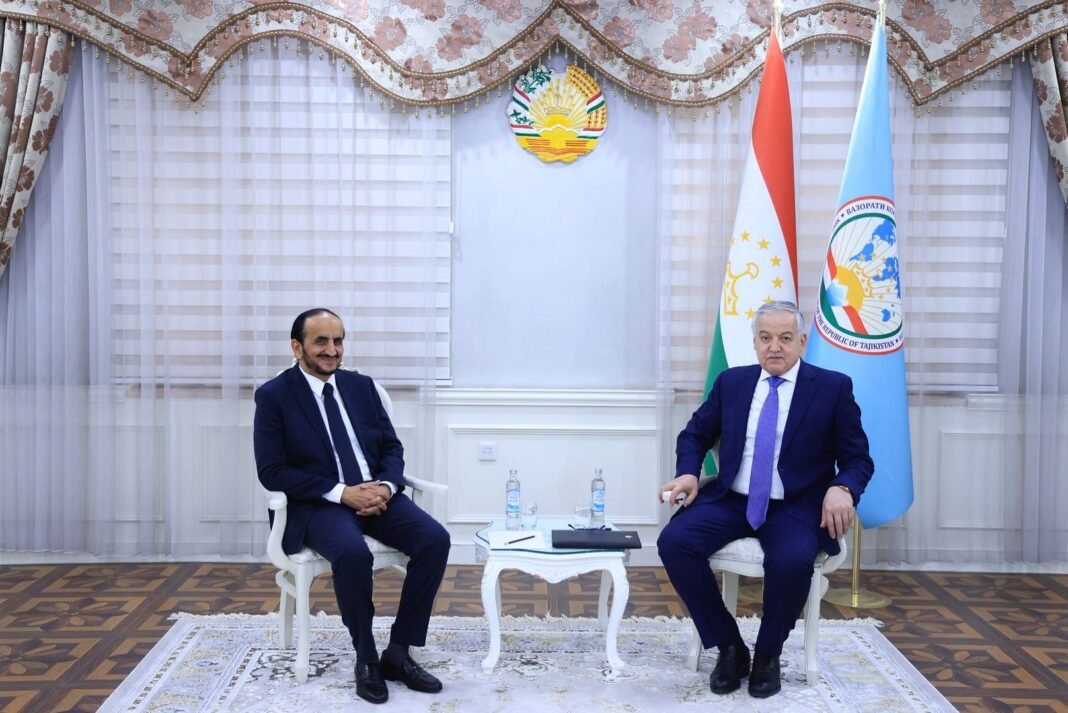
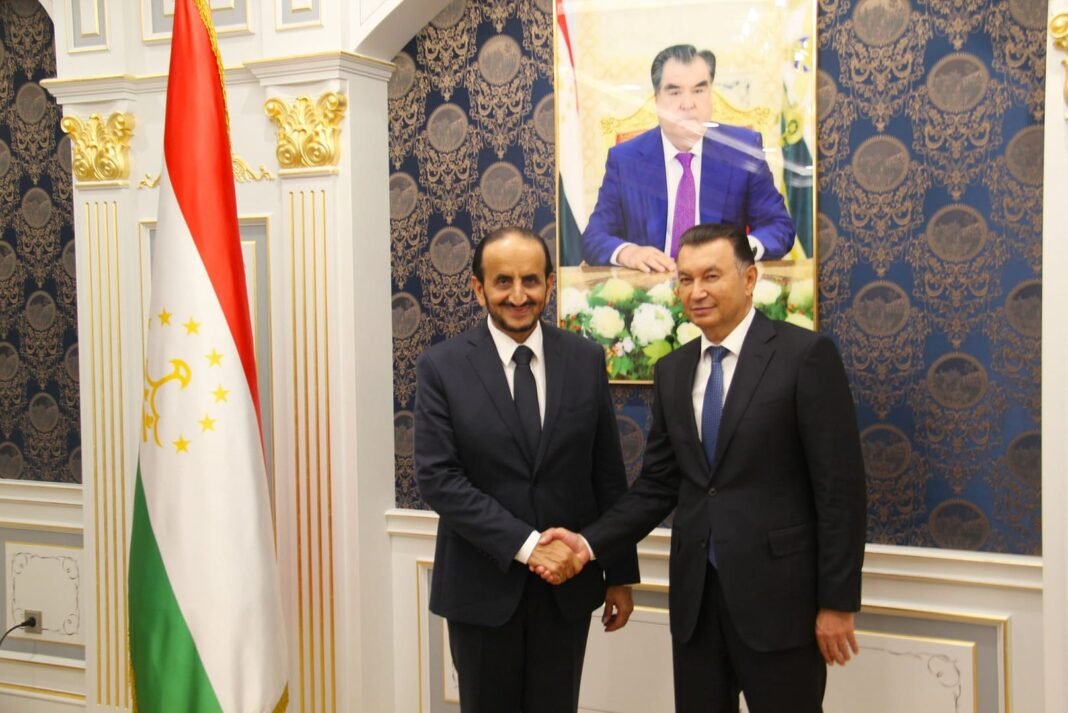
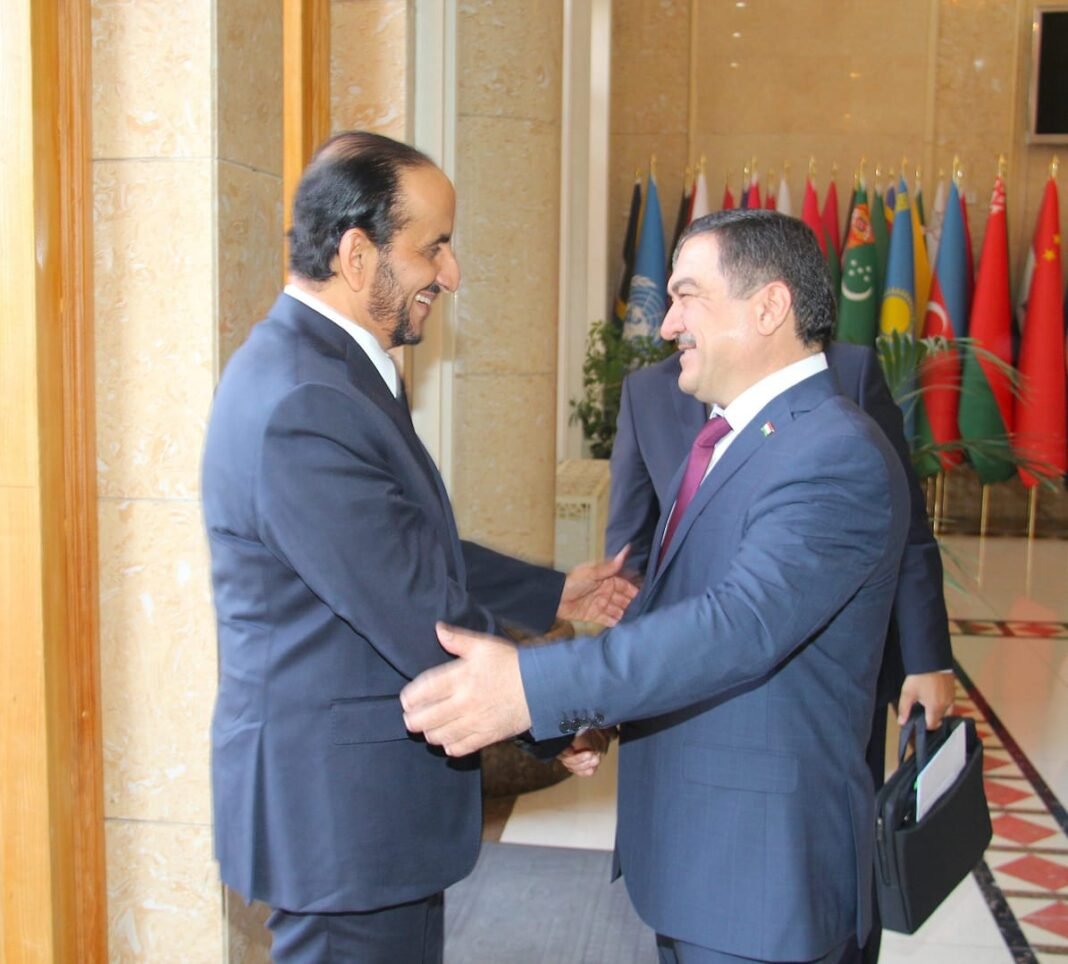
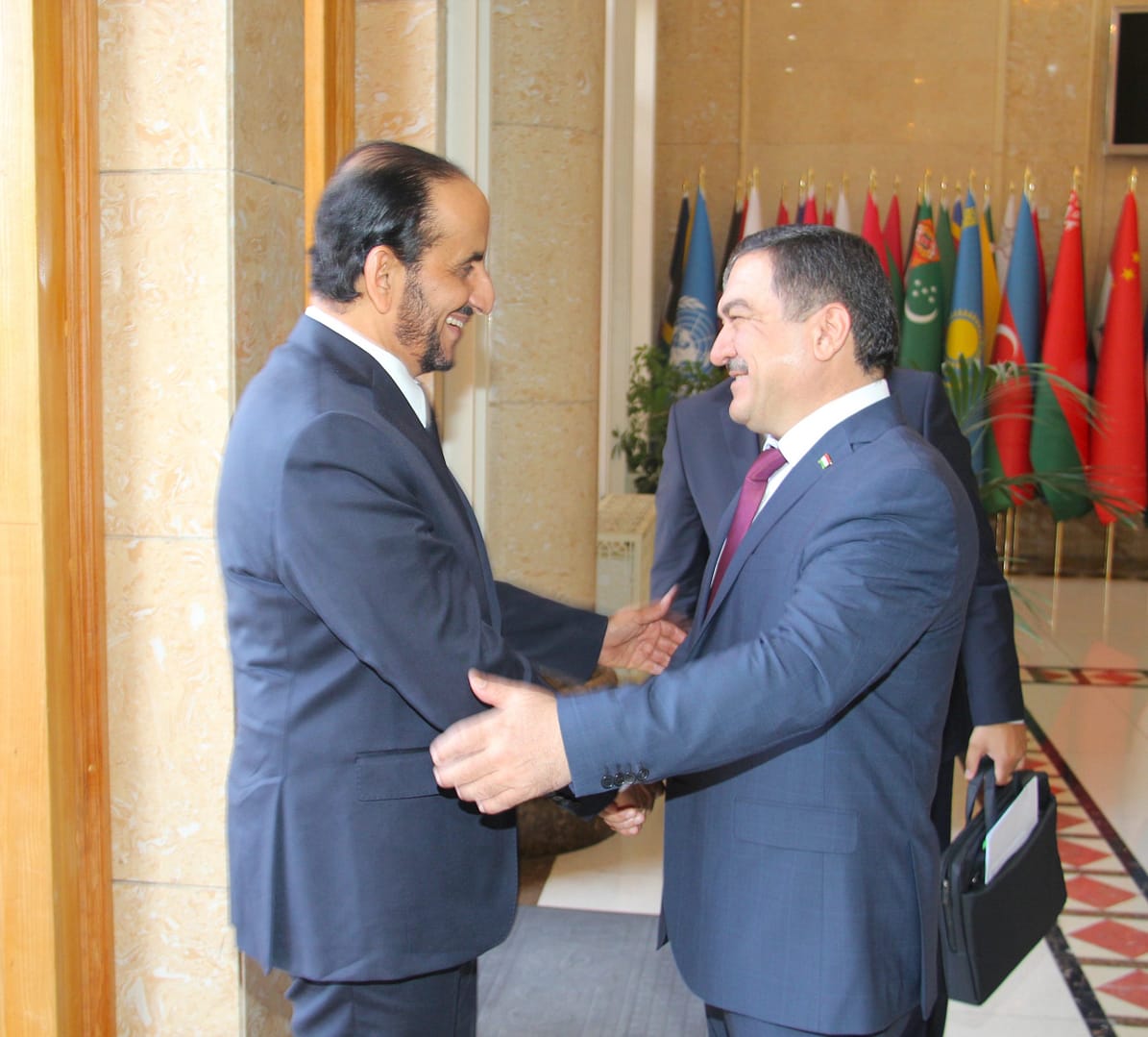
The statement does not mention specific prior meetings or agreements preceding this third session. It references a “third session” implying previous consultations occurred. The Ministry of Foreign Affairs of the Sultanate of Oman, through Sheikh Khalifa Alharthy, Undersecretary for Political Affairs, is engaged in discussions with Sharifzoda Farrukh Homiddin, Deputy Minister of Foreign Affairs of the Republic of Tajikistan. This engagement follows a pattern of bilateral activity outlined in recent statements regarding condolences offered to Algeria and expressions of solidarity with Nepal and Pakistan. The Ministry’s public record indicates diplomatic efforts focused on regional stability through ministerial addresses and proposed security policies.
Reporting in a government statement, The statement does not address the formal nature of these consultations or the established framework within which they operate.
Analysis
The stated objectives – reviewing existing cooperation and seeking to strengthen it across economic, investment, trade, scientific, and cultural sectors – suggest an effort to diversify Oman’s international engagement. The focus on “joint investment” and “boosting trade” indicates a potential strategy to mitigate economic challenges within the Sultanate. This approach appears driven by shared interests in regional stability, as evidenced by the exchange of views on “regional and international issues of common interest.” The statement does not address the underlying motivations for Tajikistan’s participation or Oman’s prioritization of this relationship relative to other diplomatic initiatives. If implemented as described, this policy represents a measured step towards broadening Oman’s network of partnerships.
The emphasis on “shared interests” is a standard diplomatic formulation that obscures potential strategic divergence between the two nations.
Implications
For policymakers in Muscat, these consultations represent an opportunity to bolster economic ties with a Central Asian nation increasingly positioned as a transit route for Chinese trade. The discussions on regional security issues signal Oman’s continued role within broader regional frameworks – though the specific nature of those frameworks remains undefined. Should the investment and trade initiatives prove successful, it could provide a modest boost to Oman’s non-oil sector. However, the statement does not address potential geopolitical implications arising from Tajikistan’s relationships with other actors in the region.
The success of this engagement hinges on the ability of both nations to translate diplomatic discussions into tangible economic benefits – a historically challenging task.
Outlook
If the visit yields an agreement regarding joint investment projects, Oman’s long-term strategy will depend on Tajikistan’s commitment to sustained cooperation. Should the consultations primarily focus on exchanging perspectives on regional security challenges, it would reinforce Oman’s position as a mediator within Central Asia. The statement does not offer any indication of future steps or benchmarks for assessing the success of this engagement.
The lack of detail regarding potential deliverables creates uncertainty about the long-term trajectory of this relationship.