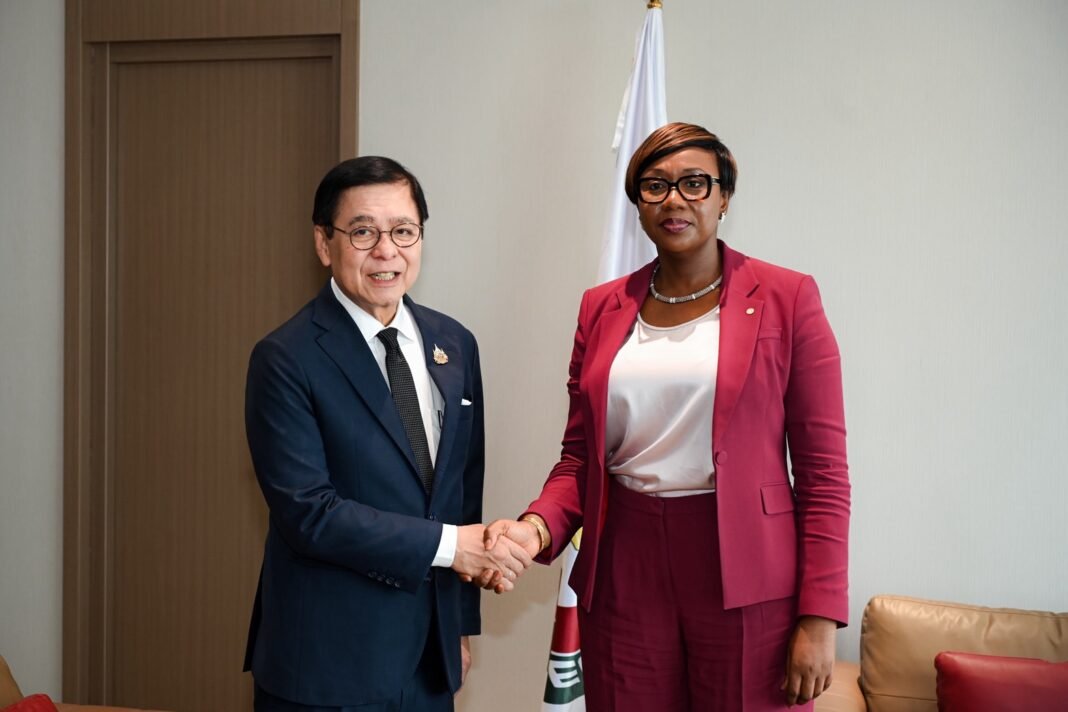
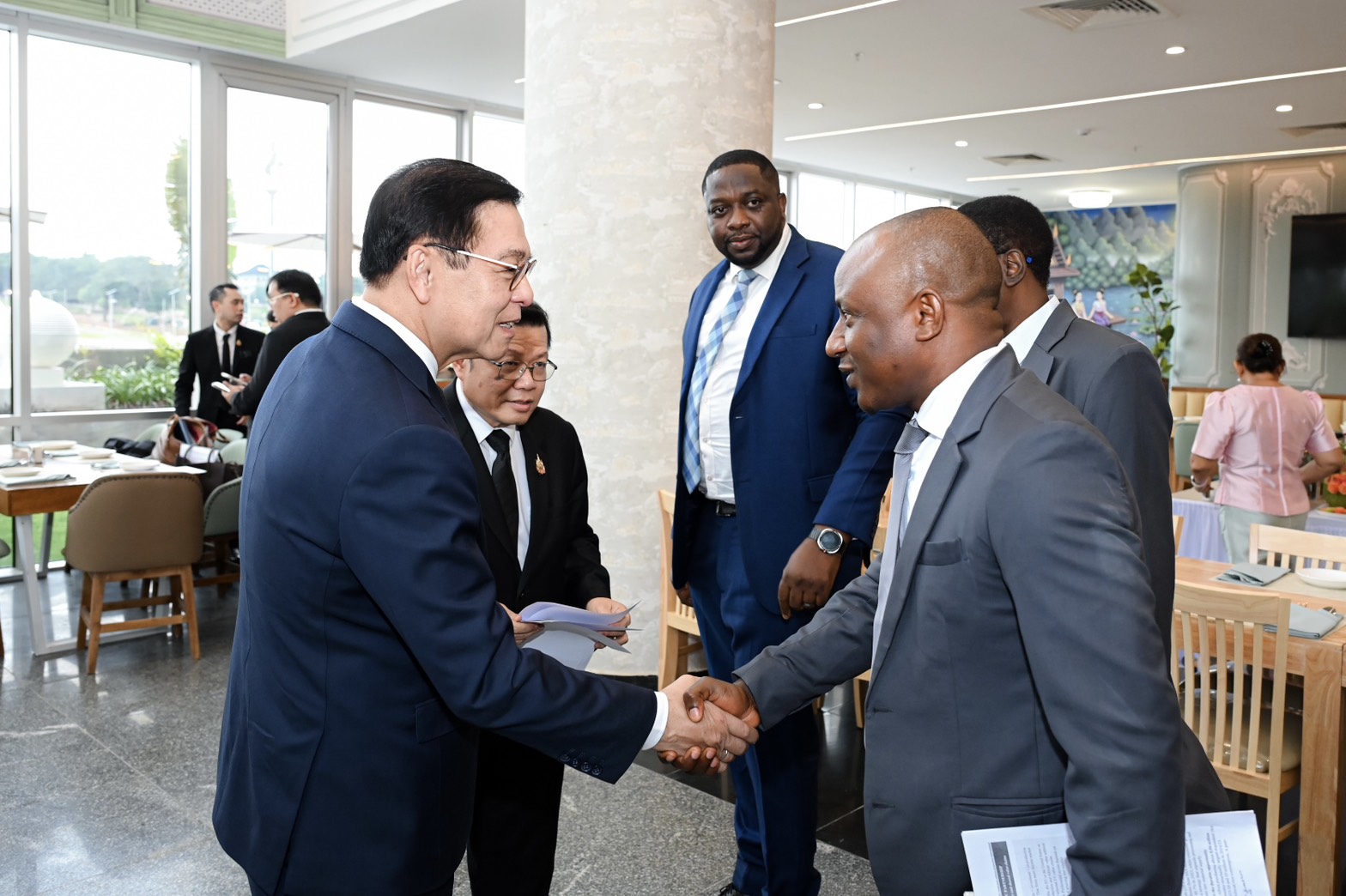
Reporting in a government statement, On 26 August 2026, Deputy Prime Minister and Minister of Foreign Affairs, H.E. Mr. Sihasak Phuangketkeow, hosted a luncheon for academics from the Centre for the Study of the Economies of Africa (CSEA). This event focused on “The Future of Africa: How Partnership with Thailand Can Move the Continent Forward,” highlighting Thailand’s intent to position itself as a complementary partner in advancing economic development across the African continent. The exchange of views, centered around Africa’s economic outlook and policy recommendations, underscores Thailand’s commitment to deeper engagement—a commitment now framed by a specific focus on trade and investment opportunities.
Background
The Centre for the Study of the Economies of Africa (CSEA) was founded in 2008 by Dr. Ngozi Okonjo-Iweala, Director-General of the World Trade Organisation, as an independent research institute focused on Nigeria and Africa’s economy and public policy. The Ministry of Foreign Affairs has articulated this focus through its “5S” Foreign Affairs Masterplan – Strategic, Systematic, Sustainable, Supportive, and Service-oriented – which prioritizes long-term partnerships based on mutual benefit. The Thailand – Africa Initiative (TAI) represents a key element of this strategic approach, aiming to foster comprehensive cooperation across various sectors.
Analysis
The luncheon signals a deliberate recalibration of Thailand’s engagement strategy in Africa. The emphasis on “knowledge transfer” suggests an attempt to move beyond traditional aid models towards more targeted investments predicated on demonstrable value. The discussion around “scaling up and commercialising knowledge, technologies and innovation” indicates a desire to avoid perceived paternalism and to align development with Nigeria’s specific economic needs – particularly in creating tangible benefits for both countries. This focus reflects a recognition that simply providing capital is insufficient; Thailand seeks to contribute to sustainable growth through the transfer of expertise and technology, as highlighted by the Deputy Prime Minister’s statement regarding supporting Nigeria.
Implications
For policymakers, this event indicates a shift toward a more commercially-driven approach to Thai-African relations. If successful, it could bolster Thailand’s trade volumes with Nigeria and other African nations. The emphasis on CSEA’s research suggests an intention to prioritize investments in sectors where Thailand possesses demonstrable expertise—potentially including technology transfer or infrastructure development. This also raises questions about the potential for increased competition within the ASEAN region for investment opportunities in Africa, particularly given Nigeria’s growing economic significance.
Outlook
Should the visit yield a strengthened collaboration with CSEA, Thailand could begin to develop more targeted investment proposals aligned with specific Nigerian priorities. If the Deputy Prime Minister’s commitment to advancing the TAI is sustained and combined with concrete research initiatives, it would represent a significant step towards establishing a more durable partnership. However, should the exchange of views remain largely conceptual without tangible outcomes in terms of joint projects or technology transfer agreements, Thailand risks repeating past patterns of limited engagement.
Conclusion
The luncheon and subsequent discussions establish a new focal point for Thailand’s approach to Africa – one centered on knowledge sharing and targeted investment. The ultimate success will hinge on translating this strategic intent into demonstrable outcomes, particularly regarding the commercialization of technological advancements and their impact on Nigeria’s economic growth.