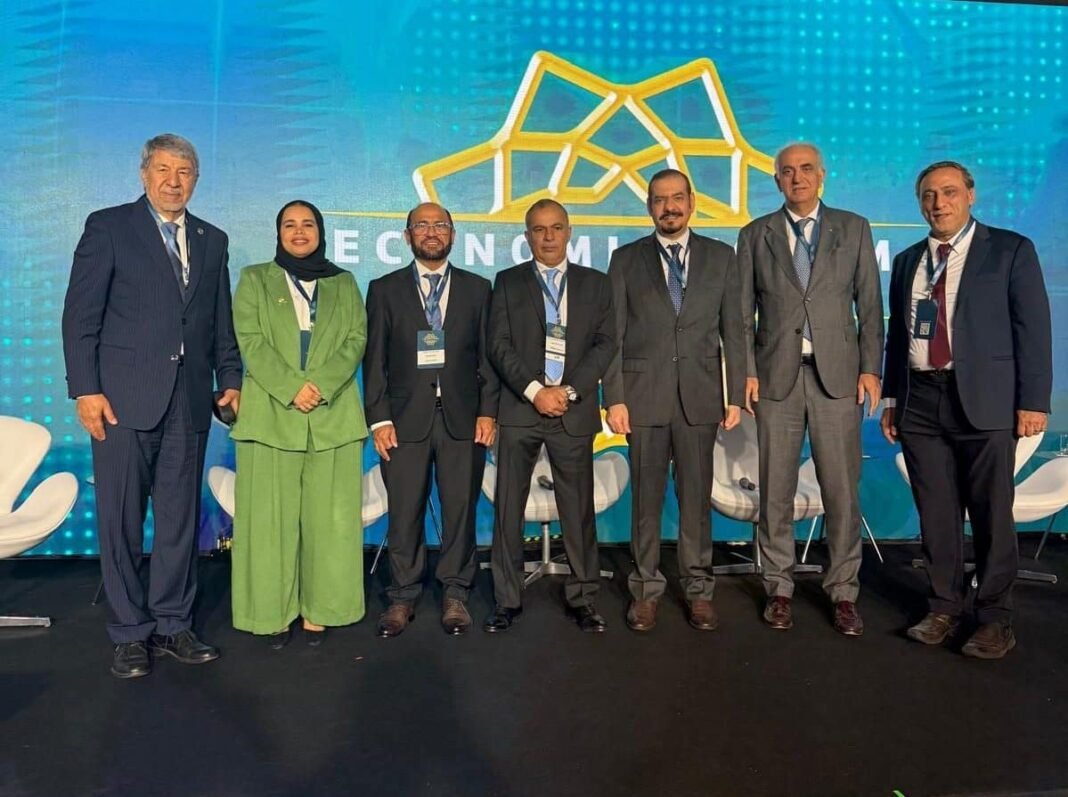
On August 26th, 2026, Hamood Altowaiya, Ambassador of the Sultanate of Oman to the Russian Federation, met with Georgy Evgenievich Borisenko, Deputy Foreign Minister of the Russian Federation. This meeting, focused on “issues of common interest,” represents a significant development in Oman’s foreign policy portfolio. The statement does not address the specific nature of these issues, nor do it detail the anticipated outcomes or duration of this engagement. The significance lies primarily in the established diplomatic channel now open with Moscow, a relationship previously characterized by limited overt interaction. (Read the full statement.)
Background
Oman’s diplomatic activity has recently intensified across multiple fronts. The statement references prior meetings with Tunisian and Bruneian counterparts on August 26th, alongside discussions with Kazakhstan the same day. Furthermore, a joint statement from August 25th outlines consultations between Oman and Iran following Foreign Ministers’ consultations. These activities suggest an active strategy of bilateral engagement designed to broaden Oman’s diplomatic network. The Ministry also announced a visa exemption for travel to Botswana on August 23rd, alongside condemnation of Israeli settlement activities in the West Bank on August 21st. These concurrent initiatives – including the ambassadorial visit – point to a deliberate effort to recalibrate Oman’s regional positioning. The statement does not mention any prior formal agreements or established frameworks governing these interactions.
Analysis
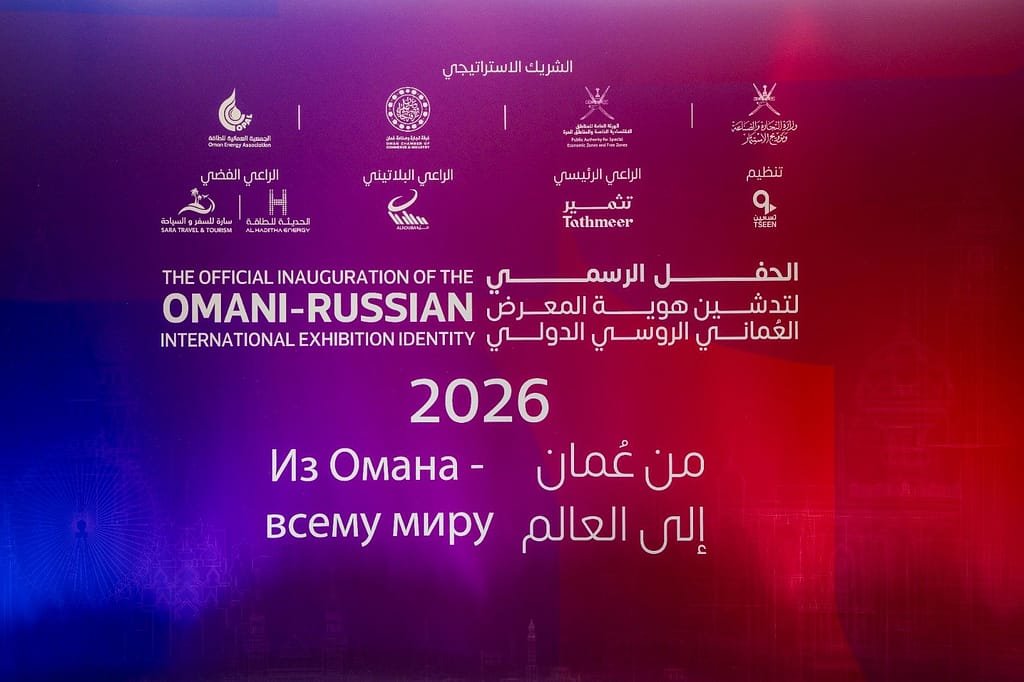
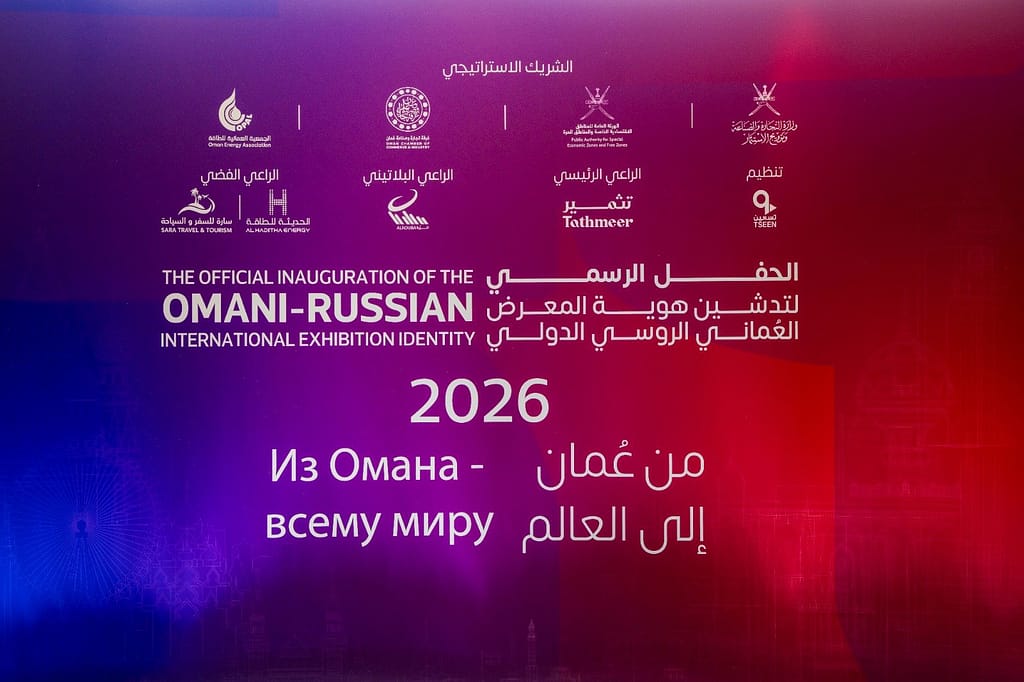
The meeting between Altowaiya and Borisenko primarily serves to establish and maintain communication channels. The stated objective of “issues of common interest” is deliberately vague, allowing Oman flexibility in pursuing potentially sensitive discussions without immediately disclosing its strategic priorities. This suggests a desire to leverage Russia’s geopolitical influence across the Middle East and Central Asia, particularly given Russia’s evolving relations with Iran. The presence of diplomats from the Embassy at the inauguration of the Omani-Russian International Exhibition further indicates an interest in fostering economic cooperation, though the exhibition’s focus remains unspecified. The statement does not address potential areas of mutual benefit or risk mitigation strategies associated with this engagement. This suggests a calculated approach to building relationships within a complex and often adversarial international environment.
Implications
The increased diplomatic activity undertaken by the Ministry has several implications for regional stability, trade, and security. The opening of communication channels with Russia could provide Oman with a crucial interlocutor in mediating disputes or facilitating dialogue within the broader Gulf context. Should the visit yield positive results regarding “issues of common interest,” it would represent a significant shift in Oman’s foreign policy approach, potentially influencing its stance on regional conflicts and alliances. The expansion of diplomatic engagement with countries like Tunisia and Brunei strengthens Oman’s position as a facilitator of trade and investment flows within the region. The statement does not address potential implications for existing security arrangements or the impact of this increased activity on broader GCC dynamics.
Outlook
If the visit yields an agreement regarding “issues of common interest,” Oman’s approach to regional diplomacy will likely become more assertive, potentially challenging established alliances and power structures. Should the meeting primarily serve as a conduit for information exchange and intelligence sharing, it would indicate a continued prioritization of stability and security concerns within the Gulf. The Ministry’s engagement with Russia demonstrates an effort to secure strategic advantages in a region facing increasing geopolitical competition – if Oman can successfully navigate this evolving landscape.
Conclusion
The ambassadorial meeting underscores Oman’s ongoing efforts to manage its foreign relations amidst regional instability and shifting global alliances. The precise nature of the discussions remains undefined, leaving open the question of whether this engagement will ultimately serve as a catalyst for broader strategic realignment or simply a mechanism for maintaining essential diplomatic contacts.