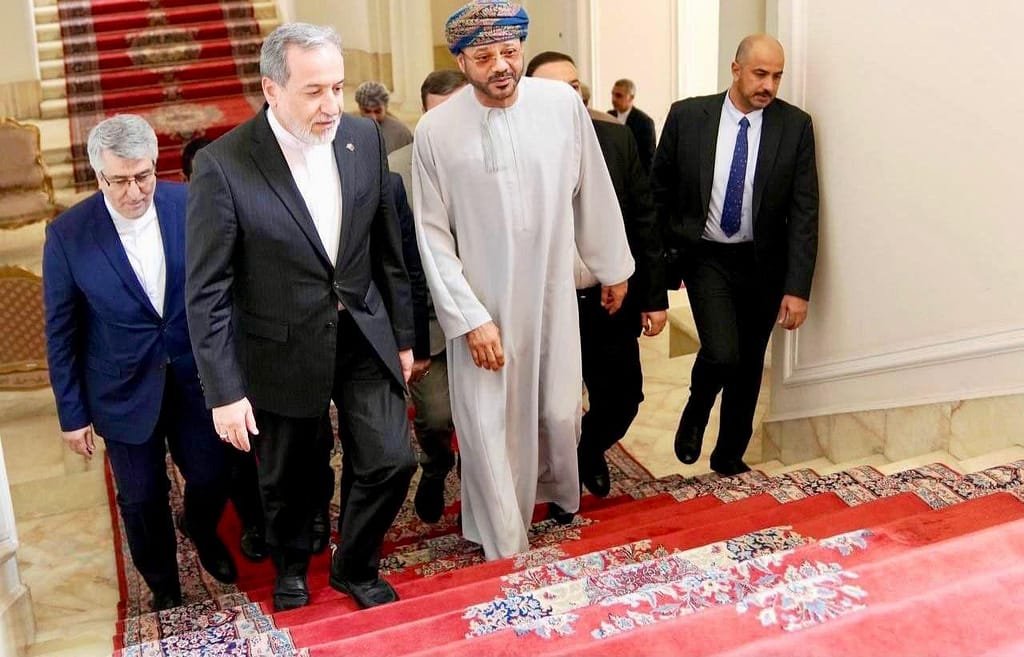
In a published statement ahead of the visit, The resumption of safe navigation through the Strait of Hormuz has become a central objective for Oman and Iran, following constructive consultations concluded on 25 August 2026. Foreign Minister Sayyid Badr Albusaidi’s working visit to Tehran highlighted the urgency surrounding the situation stemming from recent conflict and its impact on maritime transit. The statement confirms that both nations are seeking a practical solution—a phased framework—to address the current challenges, prioritizing the preservation of sovereignty and security.
Background
The context for this initiative is rooted in the ongoing instability within the Persian Gulf region, particularly triggered by recent events. The statement does not explicitly name the conflict, but references “the tragic repercussions” of the “recent war,” implicitly referring to the broader regional conflicts. Prior meetings between Omani and Iranian officials have reportedly focused on de-escalation efforts and exploring potential pathways for dialogue. The reference to “article 5 of the Islamabad Memorandum” indicates a pre-existing framework—likely involving security cooperation discussions—that could inform this new maritime initiative, though the details remain opaque. This suggests an attempt to leverage existing diplomatic channels for crisis management.
Analysis
The proposed framework – encompassing a joint temporary navigational corridor and mine clearance operations – represents a pragmatic approach driven by shared interests. Oman’s strategic position as a vital transit route necessitates access through the Strait of Hormuz, while Iran’s dependence on this waterway for its economy creates a mutual incentive to resolve the current impasse. The “current situation” in the Strait stemming from the recent war is presented as the catalyst for these negotiations, highlighting the direct impact of regional instability on maritime security. If implemented as described, this phased approach mitigates immediate risks by establishing a defined operational space. However, the statement does not address potential disagreements regarding control or long-term administration of the Strait. This suggests inherent tensions remain unresolved. The inclusion of “technical negotiations” points towards a complex process requiring considerable time and compromise.
Implications
The announcement carries significant implications for regional stability, though the extent remains conditional. Should this framework be successfully implemented, it could provide a crucial channel for trade and communication between Iran and its neighbors—potentially easing tensions indirectly. The intention to convene joint discussions with “regional states bordering the waters of the Gulf” signals a broader effort to build consensus around maritime security norms. However, the statement does not address potential opposition from countries directly involved in the conflict or concerns about sovereignty. This also has implications for international law and the upholding of applicable standards within the Strait. The proposed mechanism for information-sharing, traffic management, and security services could reshape operational protocols—though the details are conspicuously absent.
Outlook
If a temporary navigational corridor is established, as Sayyid Badr Albusaidi hopes, it would represent a critical first step. Should this visit yield an agreement on a phased approach, further negotiations regarding a permanent navigational corridor and future administration of the Strait will undoubtedly follow. The statement does not address the timeline for these subsequent discussions or potential obstacles. Furthermore, should Iran agree to engage with regional partners as proposed, it could foster a broader dialogue on maritime security—though this remains contingent on Iran’s willingness to compromise its position.