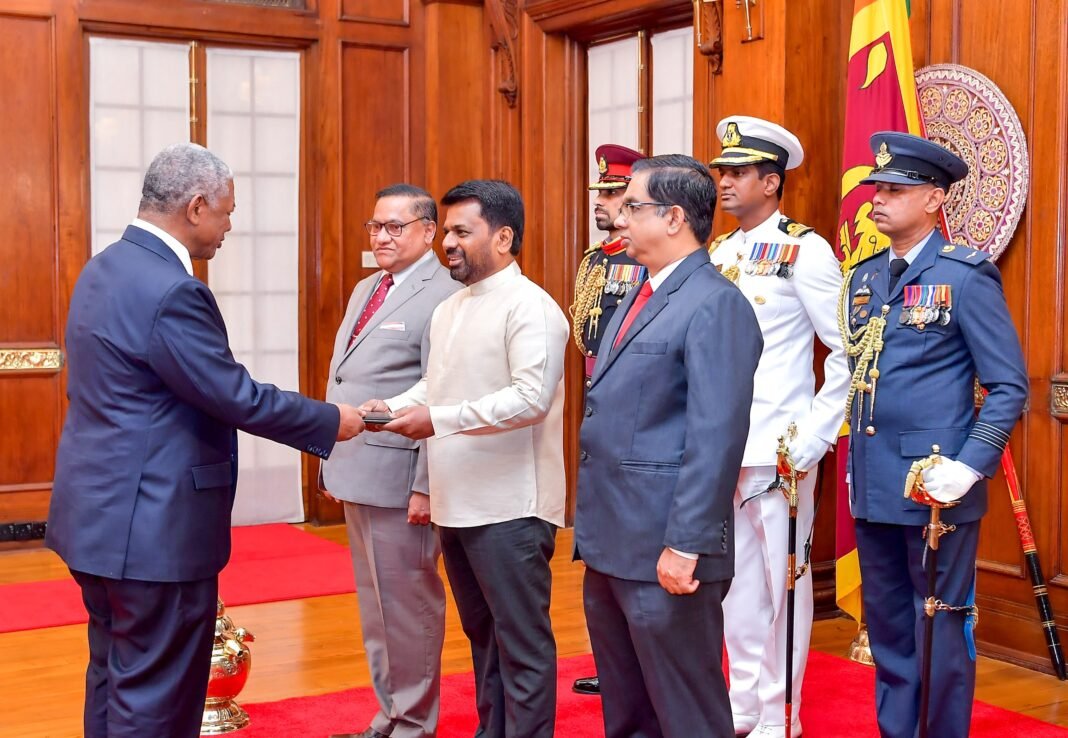
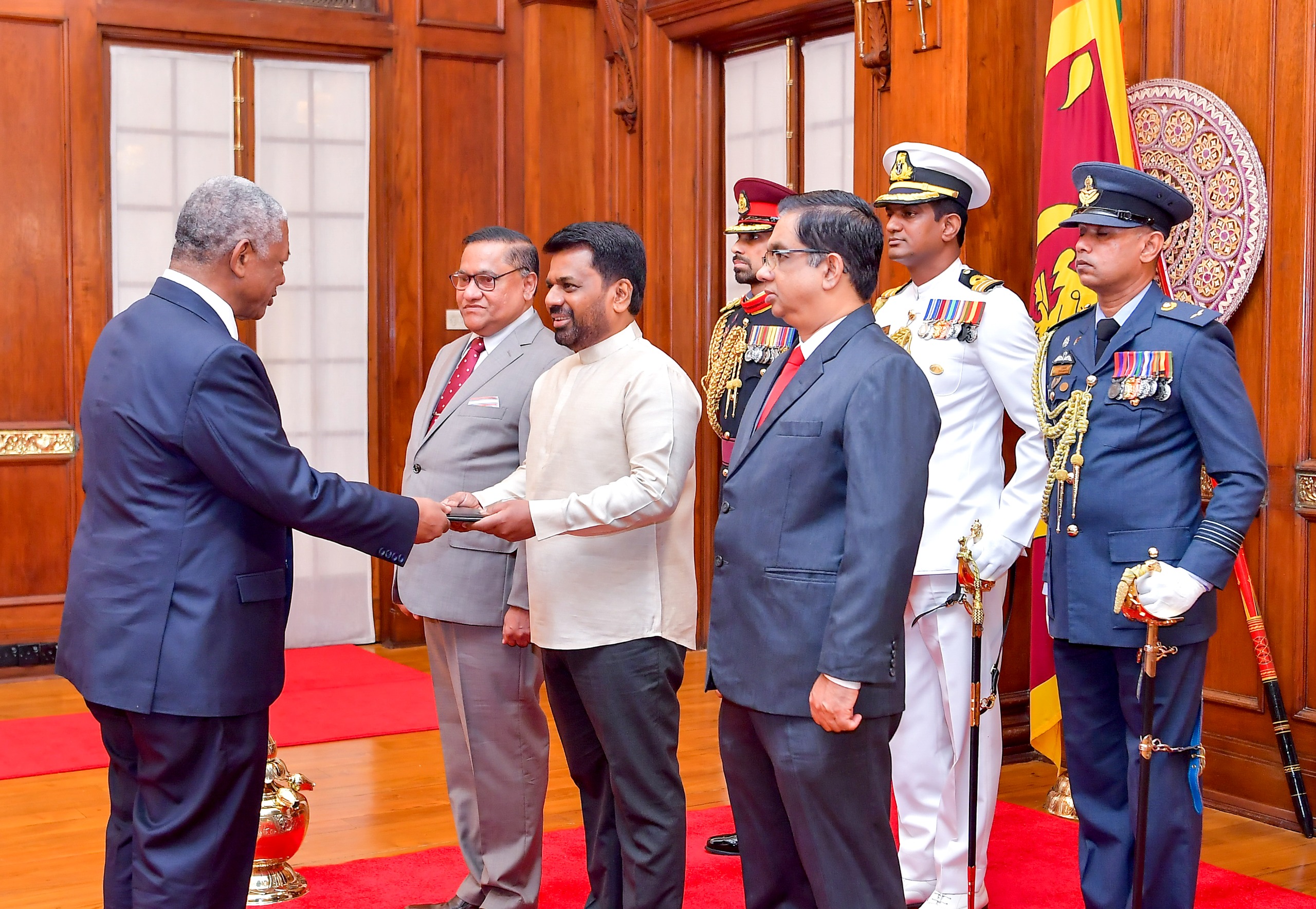
The presentation of credentials for Dr. Mohammed Abdalla Ali Eltom, the newly appointed Sudanese Ambassador to Sri Lanka, occurred on 25 August 2026 at 10.00 a.m. at the Presidential Secretariat in Colombo. This event marks the formal commencement of diplomatic relations between the two nations. The statement does not mention the specific reasons for this appointment or any prior discussions leading up to it. It matters because it signifies a renewed engagement, albeit at the ambassadorial level, between Sri Lanka and Sudan. (Read the full statement.)
Background
The statement does not address the history of diplomatic relations between Sri Lanka and Sudan. However, the accreditation of an ambassador suggests a desire for increased interaction. The appointment is contingent upon the concurrence of the Government of Sri Lanka. His residence in New Delhi indicates a strategic positioning within South Asia’s diplomatic landscape.
Analysis
The act of appointing an ambassador, without further context, suggests a potential shift in Colombo’s foreign policy focus. The location of the presentation at the Presidential Secretariat highlights the importance placed on this relationship by the Sri Lankan government. This action indicates a willingness to establish formal diplomatic channels with nations seeking diverse partnerships. The statement does not address any specific areas of cooperation that might be driving this engagement.
Implications
The appointment has implications for Sri Lanka’s broader South Asian strategy. It could signal a move towards diversifying its diplomatic portfolio beyond traditional alliances. This action may influence Colombo’s approach to regional trade and security initiatives, particularly if the visit yields opportunities for collaboration. The statement does not address whether this ambassadorial role will impact existing agreements or commitments.
Outlook
Should the visit yield opportunities for collaboration, Sri Lanka’s engagement with Sudan could become a more prominent element of its South Asian strategy. If the relationship progresses beyond the accreditation stage, it could contribute to increased trade and investment flows between the two countries. The statement does not address the potential impact on Sri Lanka’s debt obligations or broader geopolitical considerations.
Conclusion
The appointment of Dr. Eltom represents a formal step in establishing diplomatic ties, yet the lack of accompanying detail regarding the nature of this engagement leaves open questions about Sri Lanka’s strategic intentions within the region.