The official readout frames the trip as
Background
The EWC is organized and funded by the Esports Foundation. Institutional support has been provided to facilitate the event’s setup and welcome participants. This coordination falls under the purview of the Ministry for Europe and Foreign Affairs (MEAE), responsible for interministerial coordination and welcoming organizers and competitors to France. The ministry’s involvement extends beyond a single sporting event, encompassing a broader strategy aimed at utilizing esports as a tool for international cooperation.
Analysis
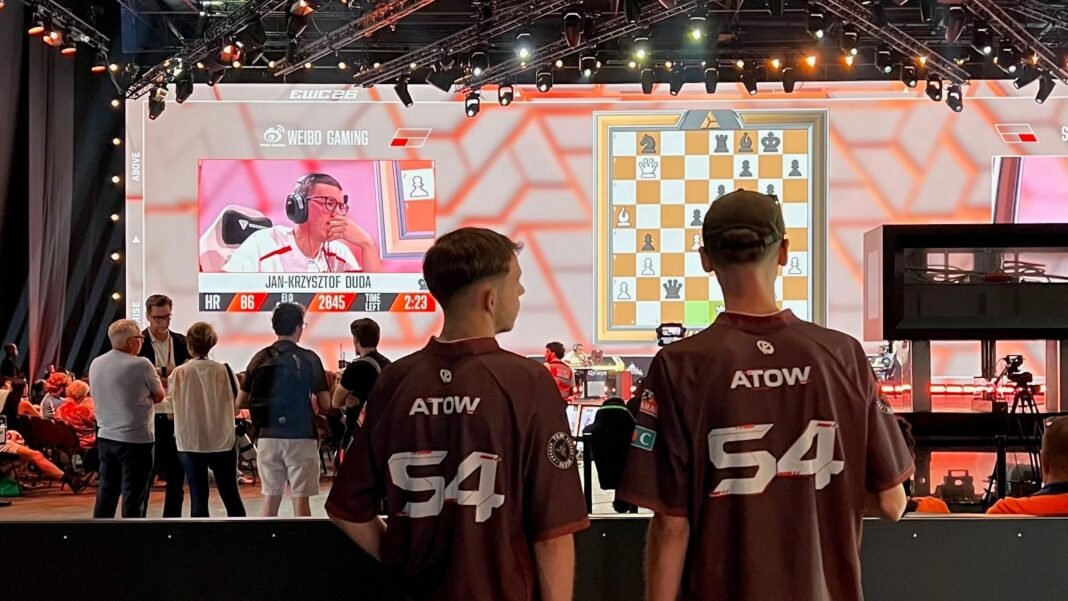
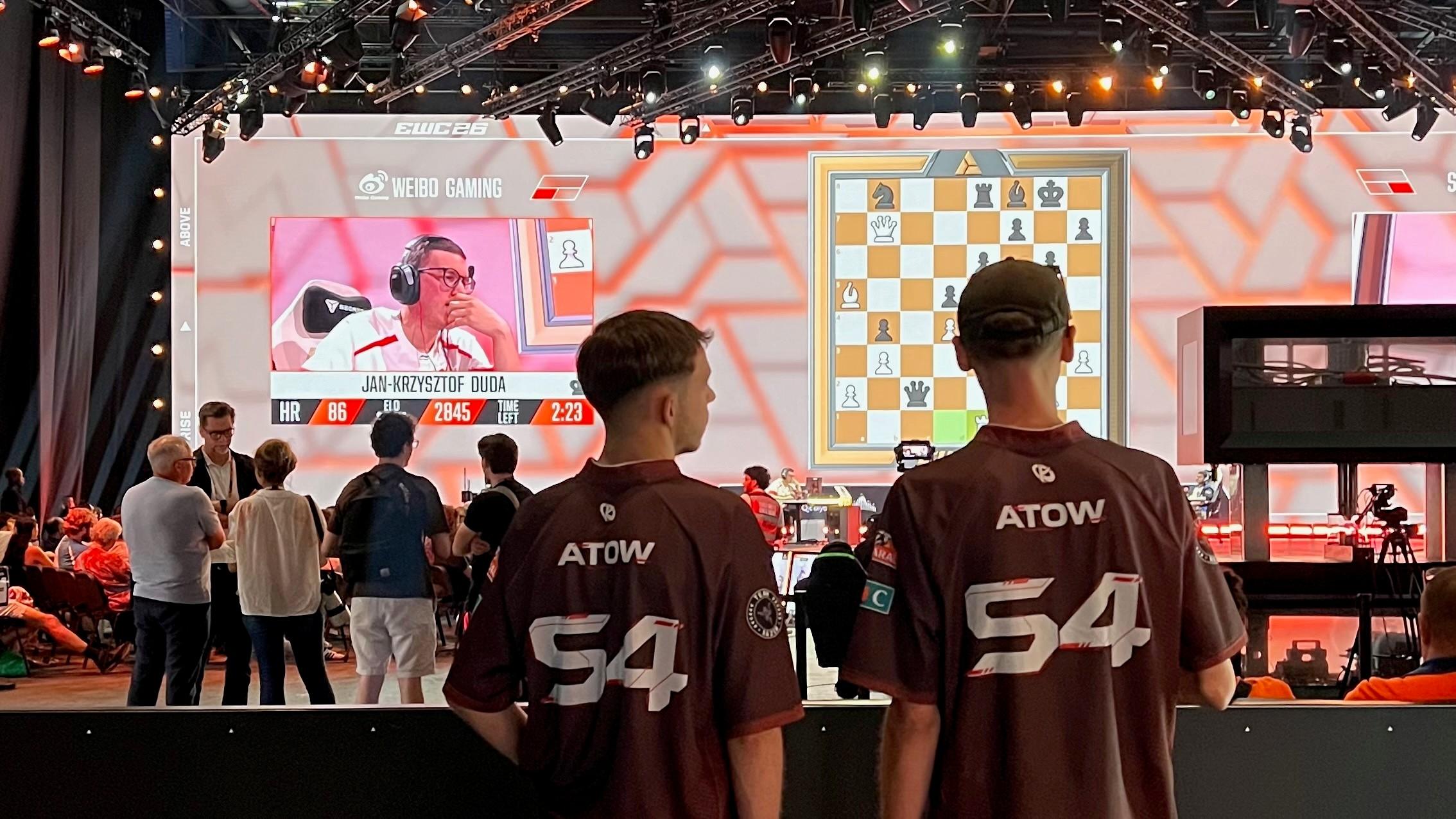
The scale of the EWC – over 2,000 players and 4.3 million simultaneous spectators – demonstrates a significant investment in France’s ability to host major international events. Approximately 15.4 million fans engage with esports globally, while in France, around 10 professional clubs have secured 110 titles won. Almost 1,200 amateur clubs operate across the nation, supporting over 1,000 jobs within the sector. The MEAE’s support for these initiatives highlights a recognition of esports’ potential as a driver of economic growth and cultural exchange. This private competition demonstrates France’s capability to host international events and showcase expertise in cultural and creative industries.
Implications
The hosting of the EWC carries implications for regional stability, primarily through increased engagement with younger demographics in partner countries. The event’s success could strengthen diplomatic ties by providing a platform for dialogue and collaboration. Furthermore, France is actively working to attract international talent within the esports sector, evident in the “Talent Passport” programme launched in 2024. This initiative aims to facilitate access for professional players, contributing to the development of a globally competitive French esports ecosystem.
Outlook
Should the EWC yield continued success in viewership and engagement, as indicated by the 200 million viewing hours recorded, it would bolster France’s argument for sustained institutional support. If the “Talent Passport” programme proves effective in attracting international players, the Ministry could consider expanding its scope to include other creative industries. Should the national esports strategy be successfully implemented, including the mobility of players and hosting future competitions, France could solidify its position as a leading global hub for esports development.