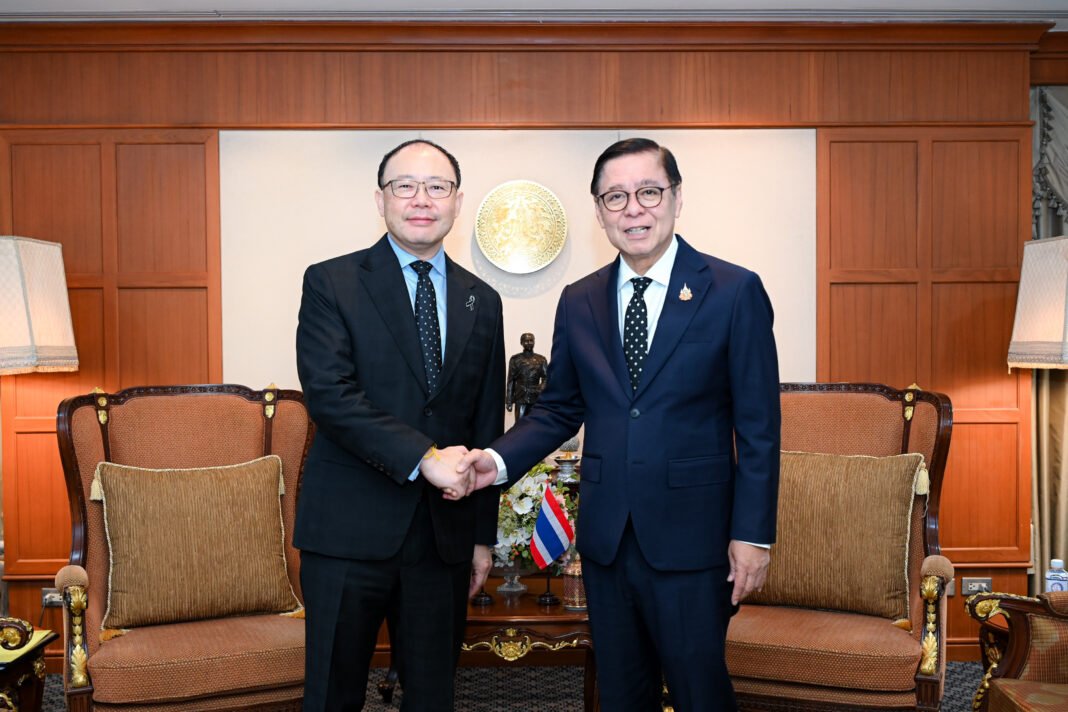
The Brazilian Ministry of Foreign Affairs announced on August 11th, 2026, the adoption of four Memoranda of Understanding (MOUs) following a visit by Philippine Secretary of Foreign Affairs Maria Theresa Lazaro to Brasília. The statement does not mention the specific details of the agreements, but it confirms their formalization. This suggests a deliberate attempt to expand Brazil’s engagement within Southeast Asia and Latin America simultaneously. The content and scope of these MOUs – encompassing cooperation in science, technology, digital transformation, tourism, energy, and sports – will determine the long-term impact of this diplomatic initiative.; see the full statement.

Background
Prior to Secretary Lazaro’s visit, discussions regarding potential bilateral collaborations had been ongoing between Brazilian and Philippine ministries. The Ministry of Science, Technology and Innovation (MCTI) has been actively pursuing international partnerships focused on technological advancement, a key element of Brazil’s strategic development goals. Similarly, the Department of Tourism within the Philippines has sought opportunities to increase visitor numbers, particularly from emerging markets. The Ministry of Mines and Energy sector has been looking for collaborative energy solutions.
Analysis
The signing of these MOUs signals a strategic shift for Brazil, moving beyond established Mercosur trade relationships to actively cultivate partnerships across diverse sectors. This suggests an effort to mitigate dependence on traditional partners and diversify its technological base. The focus on digital transformation, specifically, aligns with Brazil’s stated ambitions within the BRICS alliance and reflects broader global trends in innovation-driven economies. However, the agreements are characterized by a lack of specificity regarding operational details or intended outcomes. This creates uncertainty about potential investment flows, technology transfer mechanisms, and ultimately, the level of substantive engagement between the two nations.
Implications
For policymakers in Brasília, the MOUs represent an initial step toward establishing formal frameworks for collaboration with a rising Southeast Asian power. Should the agreements prove fruitful, they could bolster Brazil’s technological competitiveness and potentially unlock new markets for Brazilian goods and services. The accords also present opportunities to strengthen Brazil’s regional influence within ASEAN, albeit modestly. Furthermore, the tourism MOU could provide a boost to Brazil’s struggling tourist industry – if the Philippines can deliver on its commitments regarding visitor numbers.
Outlook
The success of these MOUs hinges entirely on the subsequent implementation phases. If the involved ministries demonstrate a willingness to translate the agreements into concrete projects and initiatives, then the potential for mutually beneficial outcomes increases. Should the Philippines prioritize technological cooperation as initially signaled, this could accelerate Brazil’s digital transformation efforts. However, given the broad scope of the MOUs – encompassing multiple sectors – delays or disagreements over specific priorities are entirely plausible.
Conclusion
The adoption of these MOUs represents a new chapter in Brazilian foreign policy, but it does not resolve fundamental questions regarding Brazil’s long-term strategic alignment within the global landscape. The lack of defined deliverables raises concerns about sustained commitment and ultimately asks whether this initiative will translate into tangible benefits for either nation.