The official readout frames the trip as Cambodia formally protested against what it described as Thailand’s persistent violations of Cambodian sovereignty and territorial integrity on 10 August 2026. The Ministry of Foreign Affairs issued a press release outlining the government’s strong condemnation following recent events. This action, detailed in the release, highlights escalating tensions surrounding contested border areas along the Prek Sah Rep river – an area long disputed between the two nations – and underscores a potential crisis for regional stability.

Background
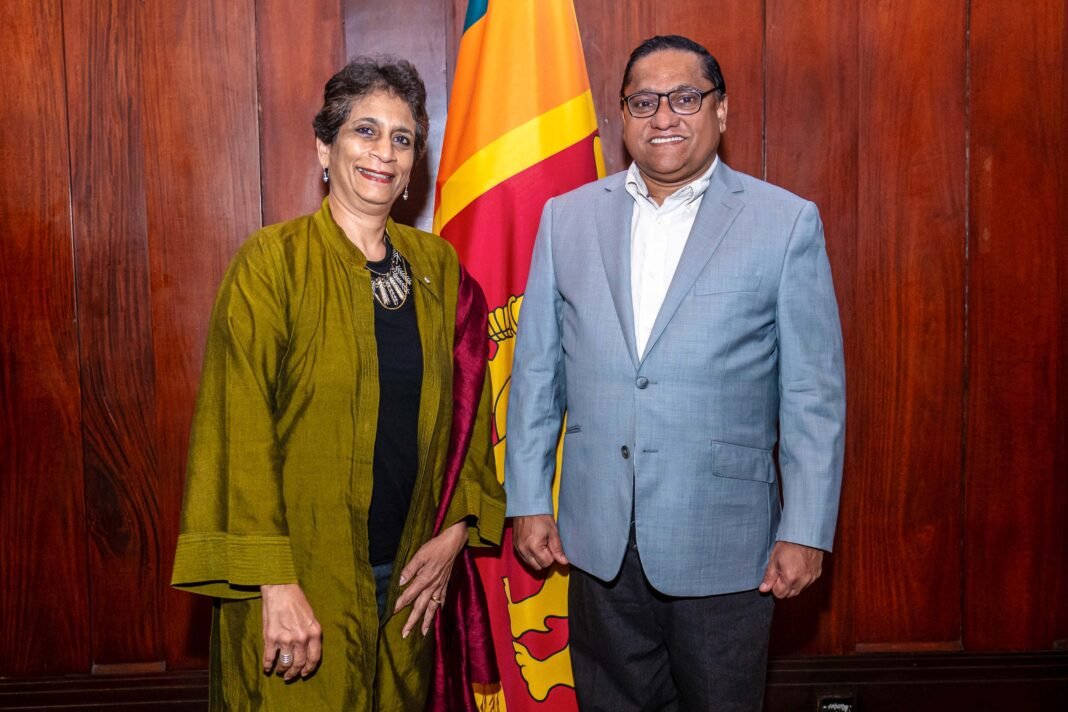
The statement indicates continued diplomatic efforts to manage this situation. The press release details recent bilateral meetings held with both Lao and Ukrainian counterparts. It references Deputy Prime Minister Prak Sokhonn’s emphasis on Cambodia’s commitment to an independent, rule-based foreign policy. These meetings occurred concurrently with the ongoing assertion of support from China regarding Cambodia’s sovereignty and its emerging role in regional governance.
Analysis
Cambodia’s response appears driven by a perceived need to safeguard its territorial integrity. The statement explicitly frames Thailand’s actions as “aggression,” suggesting a significant deterioration in relations. This signals a shift towards prioritizing sovereignty protections over previous approaches focused on economic cooperation with Thailand. China’s reaffirmation of support is notable, potentially bolstering Cambodia’s negotiating position and signaling a deepening strategic alignment amid broader geopolitical trends. The inclusion of meetings with Lao and Ukrainian foreign ministers suggests a broadening diplomatic strategy – seeking alliances to counter perceived threats.
Implications
This escalation has immediate implications for regional stability. Should tensions persist, the potential for armed conflict increases. Further complicating matters, the statement does not address the underlying dispute over Prek Sah Rep or any mechanisms for resolving border disagreements through established channels such as the International Court of Justice. The continued support from China further elevates the stakes, potentially influencing ASEAN dynamics and broader strategic alignments in Southeast Asia.
Outlook
Should the visit to Bangkok yield no concrete resolution, Cambodia appears increasingly reliant on external support for its sovereignty claims. If Thailand continues to assert its territorial demands without compromise, Cambodia will likely deepen its alignment with China – potentially reshaping regional power dynamics. The statement does not address whether further diplomatic engagement with ASEAN is planned or if alternative dispute resolution mechanisms will be explored.
Conclusion
The release offers no clear pathway forward for resolving the border disputes, leaving open the question of how Cambodia intends to navigate this growing crisis and protect its sovereign interests amidst regional geopolitical pressures.