
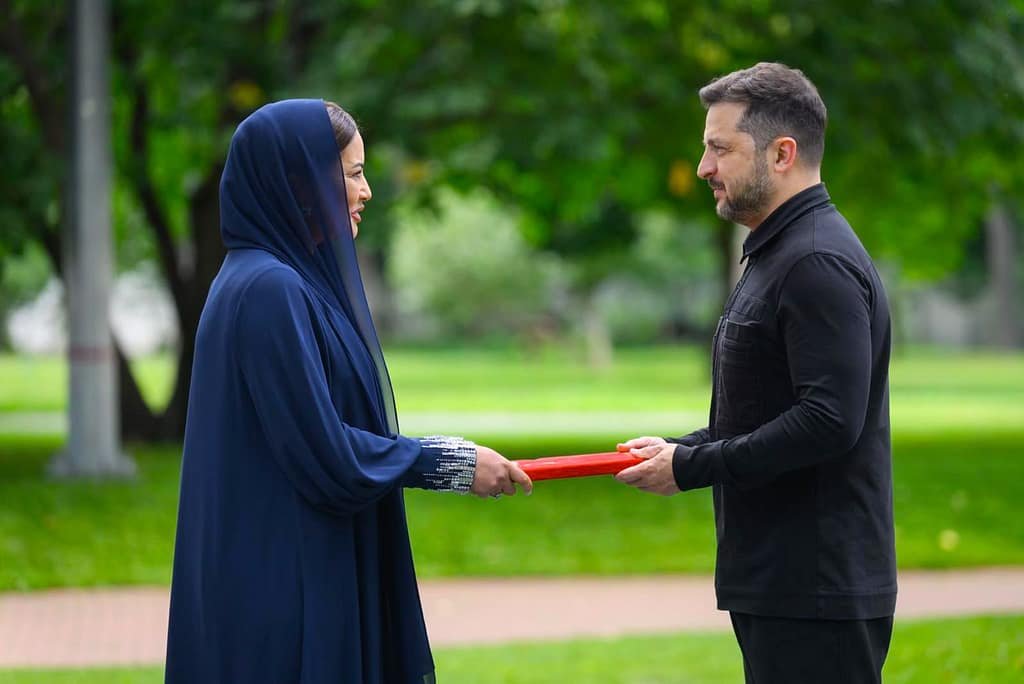

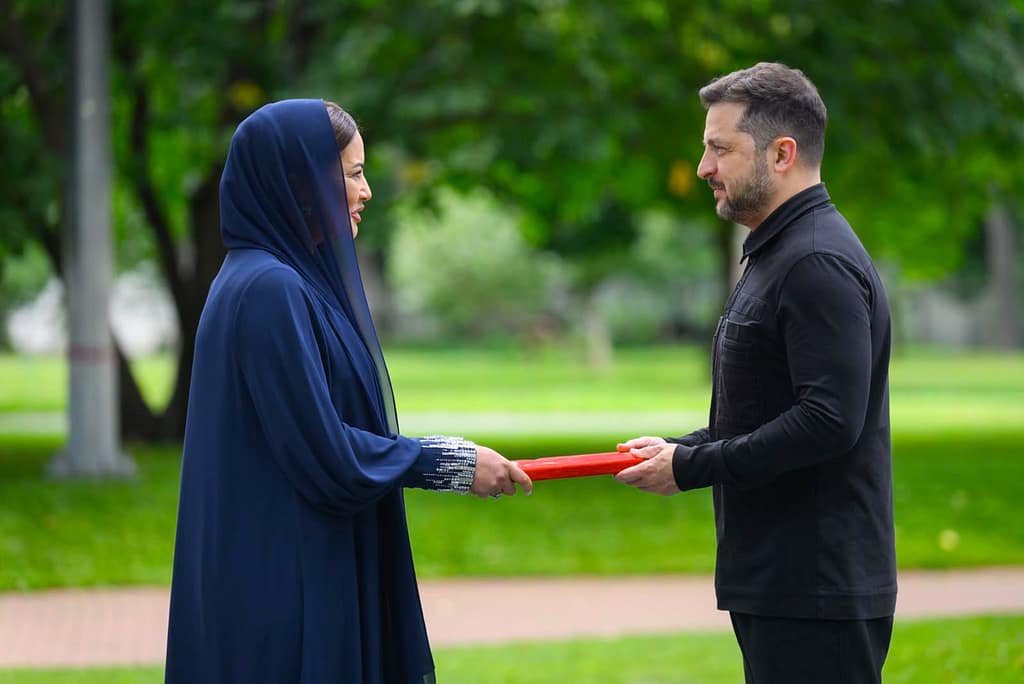
A ministry communiqué confirms that The statement from the Ministry of Foreign Affairs on July 31, 2026, reveals a significant diplomatic step: Ambassador Maitha Almahrouqi was formally received as the non-resident Ambassador of the Sultanate of Oman to Ukraine by President Volodymyr Zelenskyy in Kyiv.
Background
This event follows previous statements from His Majesty Sultan Haitham bin Tarik, including a message sent to President Paul Kagame of Rwanda on August 4, 2026, and political consultations held with Sri Lanka on August 3, 2026. These actions demonstrate an ongoing effort to maintain diplomatic engagement across multiple regions.
The statement does not address the timeline of this appointment or the specific mandate granted to the ambassador. It highlights a continued interest in relations between Oman and Ukraine, following Oman’s reaffirmation of cooperation to restore freedom of navigation in the Strait of Hormuz on July 14, 2026, and its condemnation of drone attacks on Saudi Arabia on July 27, 2026.
Analysis
The appointment of an unofficial ambassador to Ukraine represents a cautious strategy for Oman. The statement indicates a desire to foster continued relations with a country deeply involved in protracted conflict—a context not reflected in other recent statements concerning regional security issues. This suggests Oman is seeking opportunities for bilateral cooperation despite the broader geopolitical implications.
The exchange of greetings and expressions of support between President Zelenskyy and His Majesty Sultan Haitham bin Tarik underscores a commitment to mutual wellbeing, but it does not signal any direct involvement in the conflict or a shift in Oman’s established position on international conflicts. The statement does not address Oman’s broader stance regarding the war in Ukraine.
Implications
This diplomatic engagement carries implications for regional stability. While Oman has maintained neutrality in the conflict, its relationship with Ukraine—and by extension, its relationships with other nations impacted by the crisis—could influence broader security dynamics within the Eastern Mediterranean and Black Sea regions.
The actions also have implications for trade and security. Should the visit yield opportunities for economic collaboration or information sharing, it could bolster Oman’s position as a facilitator of dialogue in a volatile environment. The statement does not address potential impacts on existing maritime security arrangements.
Outlook
Should the visit yield positive outcomes regarding strengthened relations between the two countries, Oman will likely continue to explore avenues for cooperation. If the Ukrainian government remains focused solely on its defense against external aggression, however, the ambassador’s role may remain largely symbolic—a gesture of goodwill without immediate practical consequences.
Conclusion
The appointment of an unofficial ambassador highlights Oman’s continued efforts to navigate a complex geopolitical landscape. The long-term impact remains uncertain – particularly concerning the future trajectory of relations between Ukraine and its international partners.