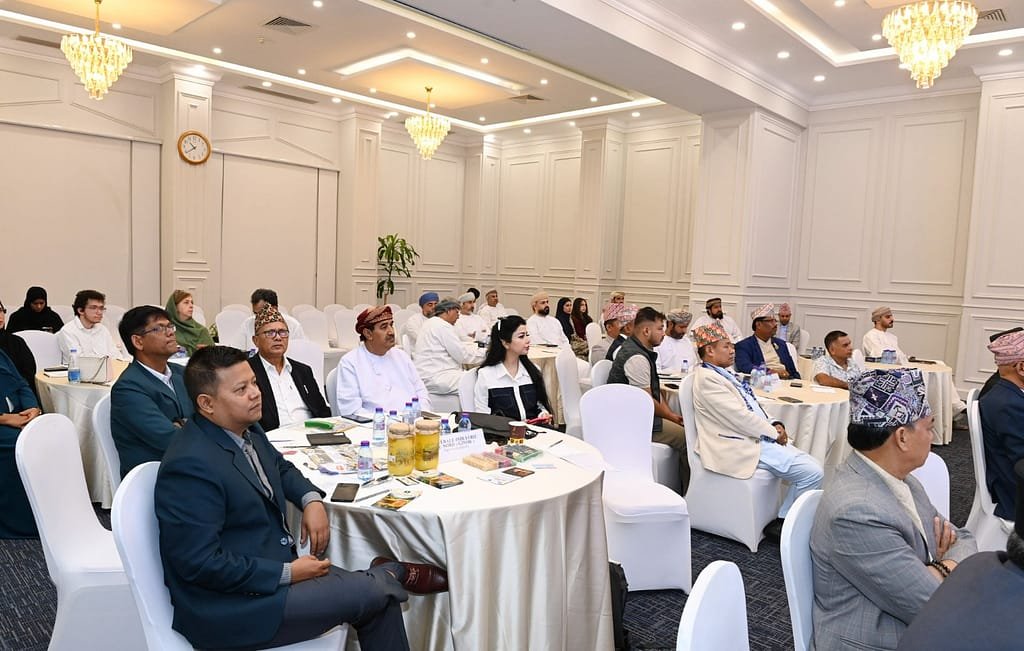
The Sultanate of Oman hosted the inaugural Oman Nepal Business Forum on 5 August 2026, focused on fostering trade and investment opportunities between the two nations. The event, organized by the Oman Chamber of Commerce and Industry (OCCI), underscores a deliberate effort to diversify Oman’s economic partnerships beyond traditional Gulf alliances. This initiative centers around sectors including food security, water resources, beverages, handicrafts, and traditional industries – priorities explicitly stated within the forum’s objectives. (Read the full statement.)
Background
The OCCI, through its Director General of Board Affairs and International Cooperation, Salem Al Alawi, framed the Forum as a key element in Oman’s broader strategy for private sector involvement in economic relations. This reflects a stated belief that direct engagement between business leaders is crucial for identifying opportunities and building sustainable partnerships. The forum’s purpose aligns with previously announced initiatives aimed at strengthening commercial ties with friendly nations.
Bishesh Kumar Sah, Chargé d’Affaires at the Embassy of the Federal Democratic Republic of Nepal in Oman, similarly emphasized the importance of this platform for direct engagement. He highlighted its role in facilitating cooperation and investment opportunities, aligning with Nepal’s own stated interest in bolstering economic relations with Oman.
Analysis
The specific sectors targeted – food security and water – represent a significant shift in Oman’s approach to regional engagement. The statement does not address the underlying drivers for this focus, but if implemented as described, it suggests an acknowledgement of growing regional pressures related to water scarcity and food supply chains. This reflects broader trends across the Gulf Cooperation Council (GCC) nations, driven by population growth and climate change.
Salem Al Alawi’s emphasis on “added value for the national economy” indicates a desire to move beyond simple commodity trade. The forum’s focus on handicrafts and traditional industries suggests an intention to leverage Nepal’s comparative advantages in these sectors – particularly if Oman can secure access to raw materials or skilled labor.
Implications
The Forum’s success, should the visit yield tangible partnerships, would have considerable implications for regional stability. Increased trade and investment between Oman and Nepal could stimulate economic growth in both countries, potentially reducing reliance on hydrocarbon revenues for Oman and fostering development within Nepal.
Furthermore, the emphasis on food security and water represents a strategic move by Oman to diversify its supply chains and reduce vulnerability to external shocks. This aligns with broader efforts to enhance Oman’s self-sufficiency and resilience in the face of geopolitical uncertainties. The event does not address potential implications for Oman’s existing trade agreements.
Outlook
Should the Forum successfully identify joint partnerships and projects, Oman would be compelled to invest further resources into supporting these ventures. If the OCCI’s commitment to private sector engagement remains steadfast, this could lead to a significant increase in private investment flows into Nepal.
If the initial discussions prove unproductive, Oman’s focus on these sectors may intensify its diplomatic efforts to secure access to water resources and agricultural technologies – an area that is currently largely unexplored within the statement.
Conclusion
The OCCI’s stated goal of building “sustainable partnerships” remains open to interpretation. The ultimate success of this initiative hinges on Oman’s ability to translate initial discussions into concrete investment commitments – a challenge that will test the limits of Muscat’s diplomatic leverage.